






What's Happening?
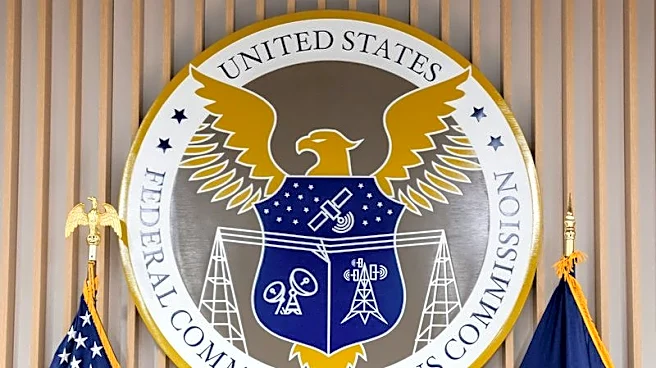
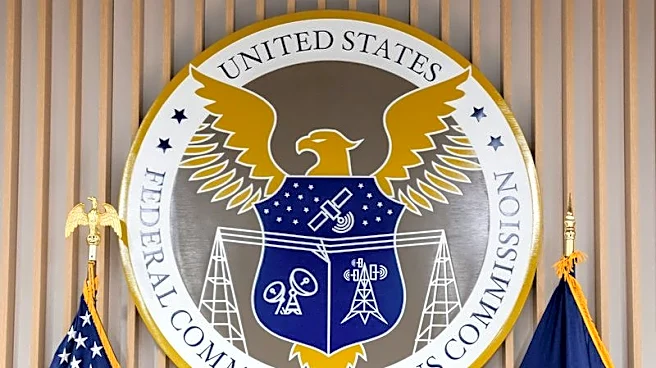
The Federal Communications Commission (FCC) has voted to eliminate a rule limiting a single company's television stations from reaching more than 39% of U.S. households. This decision, supported by Republican FCC Chair Brendan Carr, aims to help traditional
broadcasters compete with digital platforms. However, the move has sparked criticism and is expected to face legal challenges, as opponents argue it could reduce competition and diversity in media ownership.
Why It's Important?
The FCC's decision could significantly reshape the U.S. media landscape by allowing greater consolidation among broadcast TV companies. This could impact local news operations, media diversity, and consumer costs. The legal challenges and public debate surrounding the decision highlight the ongoing tensions between regulatory policies and market dynamics in the media industry.
What's Next?
The decision is likely to be contested in federal court, with implications for future media mergers and acquisitions. Stakeholders, including media companies, consumer advocacy groups, and policymakers, will be closely monitoring the legal proceedings and potential regulatory changes. The outcome could influence the balance of power in the media industry and the availability of diverse content for consumers.