




What's Happening?
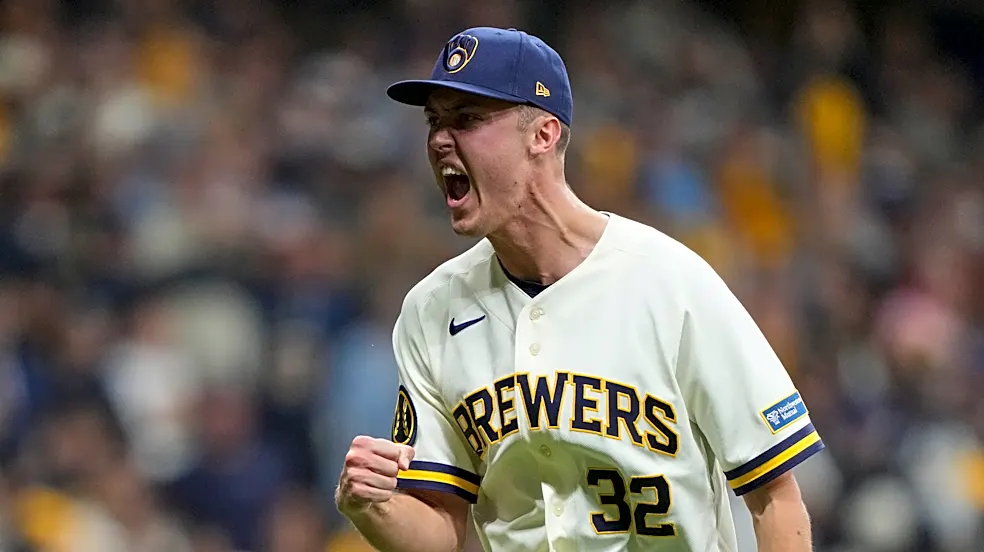
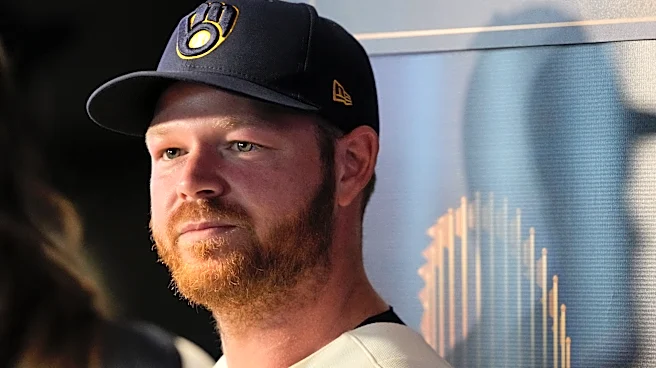
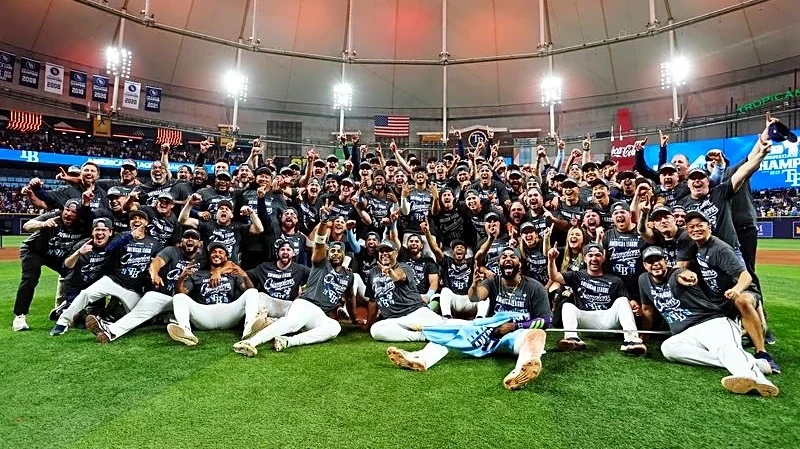
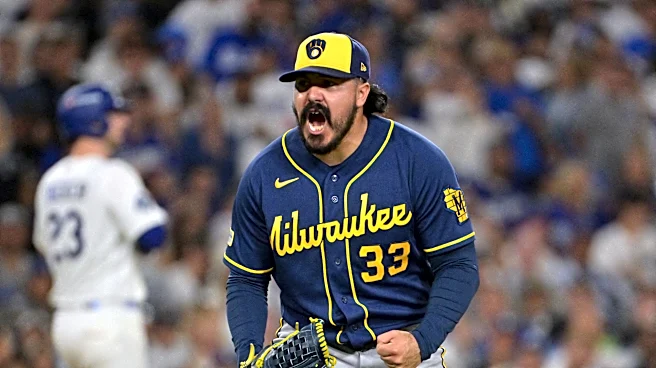
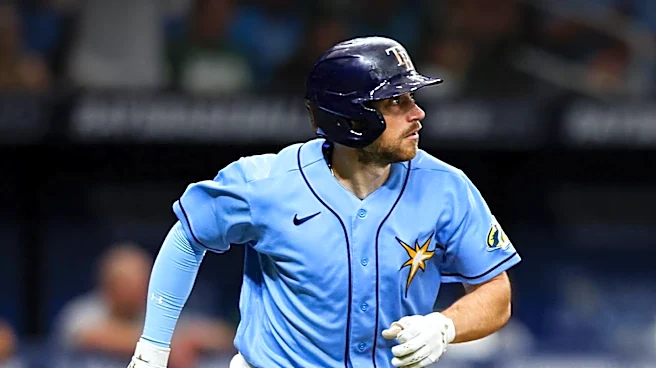
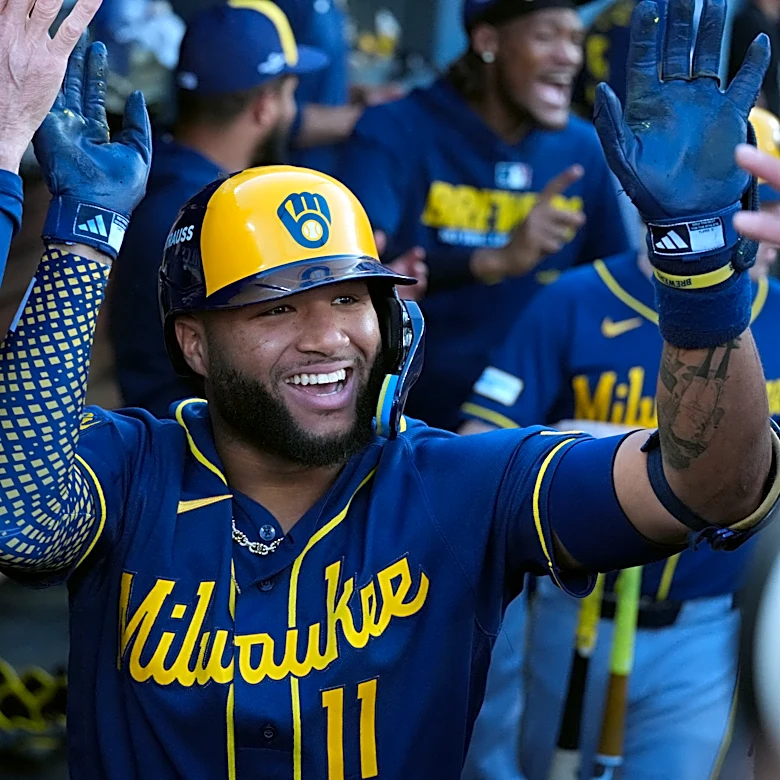
The Tampa Bay Rays and Milwaukee Brewers are poised to compete in Game 1 of the 2026 World Series. Rays outfielder Chandler Simpson has expressed confidence that baseball fans will appreciate the series, despite neither team being from a large market.
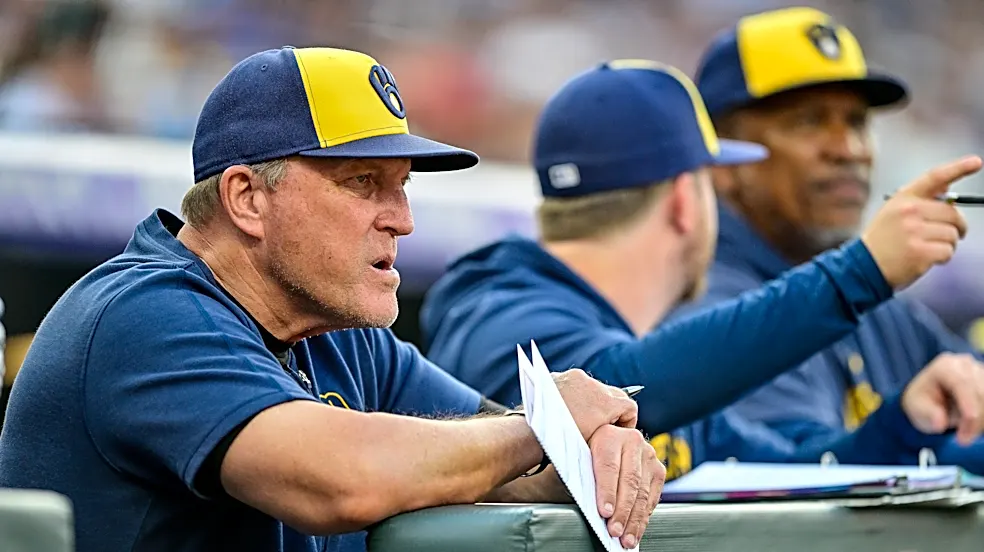
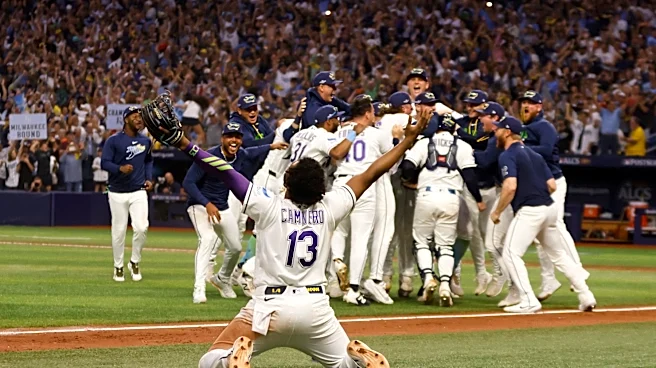
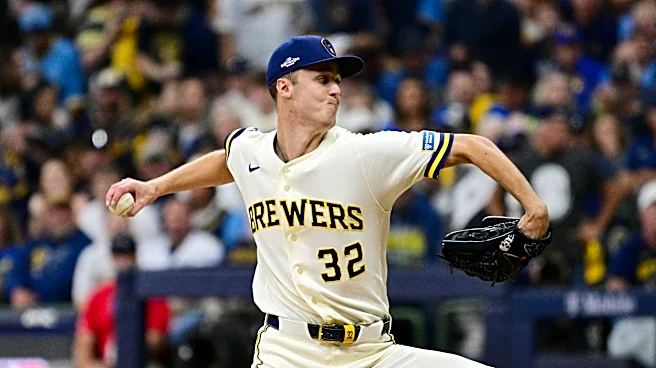
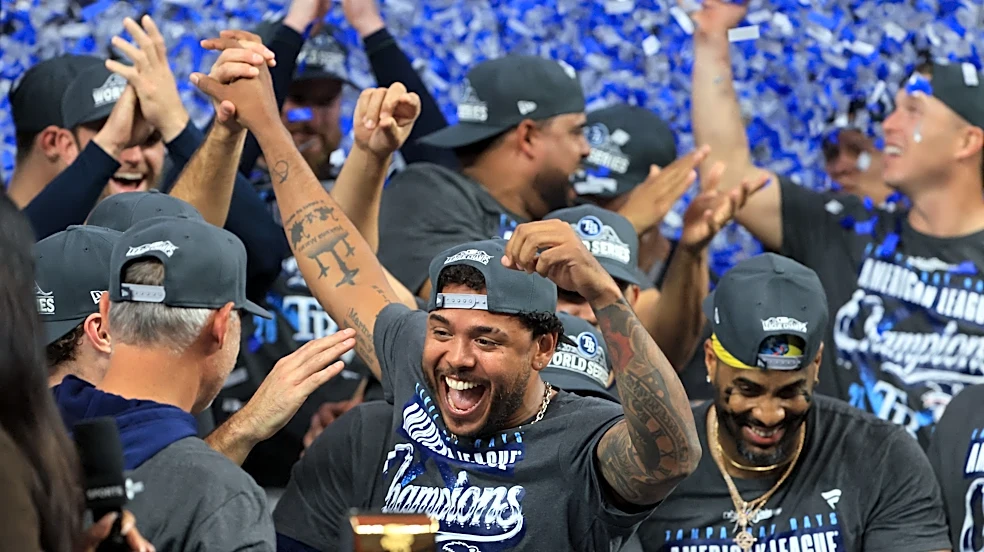
Simpson highlighted that the series will showcase all facets of baseball, including both long and short ball, strong defense, and diverse pitching styles, from crafty pitchers to those with high velocity. The Brewers enter the Fall Classic with the best regular-season record in MLB, having won 103 games and defeating the San Diego Padres and Los Angeles Dodgers in the playoffs. The Rays, with 98 victories, had the best record in the American League, securing their spot by overcoming the New York Yankees and Cleveland Guardians.
Why It's Important?
This World Series matchup is significant as it features two teams that, despite not being in major media markets, have demonstrated exceptional performance throughout the season. The Brewers' 103 wins and the Rays' 98 wins underscore a competitive balance and strategic excellence that could redefine perceptions of 'must-watch' baseball beyond traditional large-market narratives. For fans, it offers a compelling display of fundamental baseball, emphasizing strategic play, strong defense, and effective pitching rather than solely relying on star power or offensive fireworks. This could influence future MLB marketing strategies, potentially shifting focus towards the quality of play and competitive integrity over market size, benefiting teams that excel in player development and tactical execution.
What's Next?
Game 1 of the 2026 World Series between the Tampa Bay Rays and the Milwaukee Brewers is scheduled for Friday night. The series will determine the MLB champion, with both teams having proven their capabilities through rigorous playoff runs. The outcome will not only crown a champion but also provide a case study for the success of smaller-market teams built on strong fundamentals and strategic play. Following the series, discussions will likely emerge regarding the impact of such a matchup on MLB viewership and engagement, particularly given Chandler Simpson's comments about the series' appeal to true baseball enthusiasts. The performance of both teams could also influence future team-building philosophies across the league.
Beyond the Headlines
The 2026 World Series between the Rays and Brewers could challenge the long-held belief that only large-market teams can generate significant interest and revenue in professional baseball. If the series proves to be highly engaging and competitive, it could encourage a broader appreciation for the sport's strategic nuances and fundamental play, potentially shifting fan focus away from individual star power and towards team-oriented success. This could have long-term implications for player valuations, team investment strategies, and even media rights negotiations, as the league might recognize the value in promoting competitive balance and diverse playing styles across all markets. It also highlights the effectiveness of both franchises in developing talent and executing winning strategies, regardless of their financial or market size constraints.