


What's Happening?
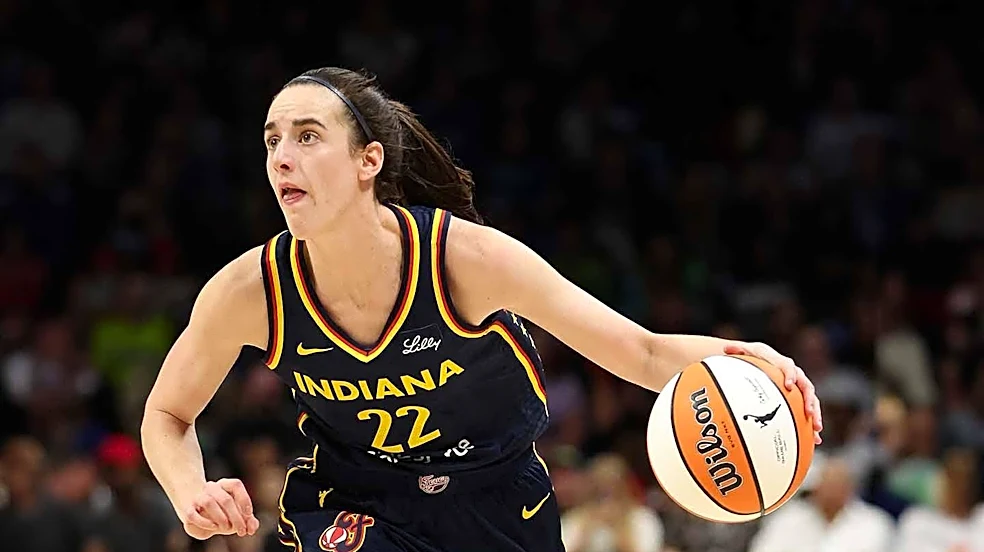
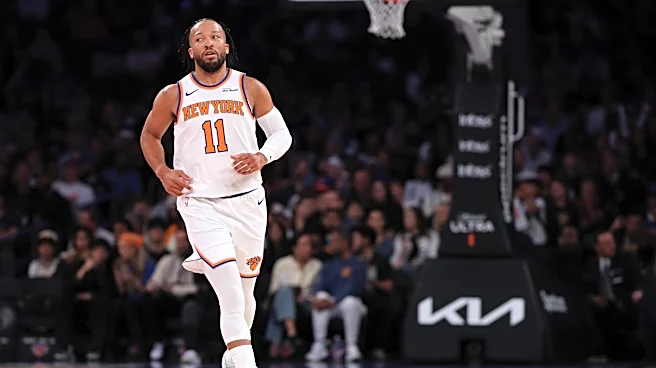
Sports commentator Chuck Modi has challenged the common comparison of Indiana Fever star Caitlin Clark to NBA player Steph Curry, suggesting that Trae Young is a more accurate stylistic and statistical parallel. Modi presented a statistical comparison of Clark and Young's
numbers across their first three seasons on a per-36-minute basis. He noted that Clark recorded a 20.1 Player Efficiency Rating (PER) compared to Young's 21.0, with field-goal percentages of 42% and 43% respectively. Both players shot 34% from three-point range, and their effective field-goal percentages were 52% for Clark and 50% for Young. While their playmaking numbers were similar, with Clark averaging 9.2 assists per 36 minutes to Young's 9.6, Young averaged more points (26.3 to 22.0) and fewer turnovers (4.6 to 5.5). Modi emphasized that Curry's three-point shooting percentage during his first three seasons was 44%, significantly higher than the 34% recorded by both Clark and Young, reinforcing his argument against the 'female Steph Curry' narrative. Clark herself acknowledged areas for improvement after the Fever's season-ending loss.
Why It's Important?
This discussion highlights the ongoing challenge of evaluating and contextualizing the performance of prominent female athletes within the broader landscape of professional sports. The comparisons to male NBA stars, while often intended as compliments, can also lead to debates about the appropriate metrics and benchmarks for women's basketball. For Caitlin Clark, a player who has already achieved significant milestones, including being the NCAA's all-time leading scorer and setting WNBA rookie records, these comparisons underscore the intense scrutiny and high expectations placed upon her. The debate also reflects a broader conversation within sports media and fan bases about how to best promote and discuss women's sports without constantly referencing male counterparts. The focus on statistical parallels, as presented by Modi, provides a data-driven perspective that can help refine the narrative around Clark's playing style and potential for growth, moving beyond superficial comparisons to a more nuanced understanding of her game.
What's Next?
Caitlin Clark has expressed her commitment to improving her game, indicating that she will continue to work on her skills during the offseason. Fans can anticipate her return to the court with the Indiana Fever, where she will likely aim to build upon her rookie season's performance. The ongoing debate about her comparisons to NBA players like Steph Curry and Trae Young is expected to continue as her career progresses, with commentators and fans closely monitoring her development and statistical output. Her continued presence in the WNBA will likely fuel further discussions about the growth and recognition of women's basketball. As Clark continues to evolve as a player, her performance will either solidify or challenge the various comparisons made, shaping public perception and potentially influencing how future generations of female athletes are evaluated and celebrated.
Beyond the Headlines
The discourse surrounding Caitlin Clark's comparisons to NBA players touches upon deeper issues within sports culture, particularly the tendency to frame female athletic excellence through the lens of male achievements. While comparisons can offer a familiar reference point for new audiences, they can also inadvertently diminish the unique contributions and skill sets of female athletes. The 'female Steph Curry' narrative, while highlighting her exceptional shooting, might overshadow other aspects of her game or the distinct challenges and dynamics of the WNBA. This debate also reflects the evolving landscape of sports media and fan engagement, where social media platforms amplify discussions and allow for immediate, often passionate, reactions to analytical commentary. Ultimately, the conversation around Clark's comparisons is not just about basketball statistics but also about how society values and articulates female athletic prowess, and the ongoing effort to establish independent recognition for women's sports.