






What's Happening?
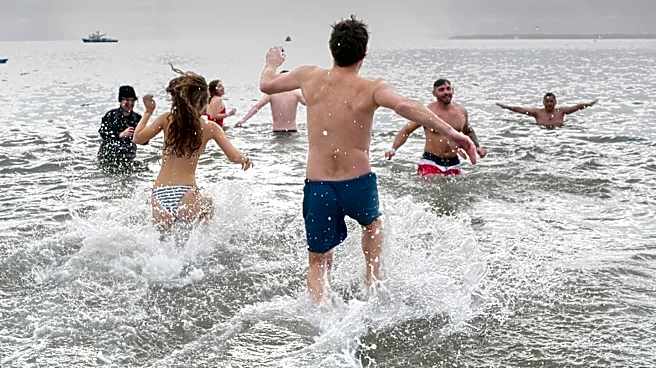
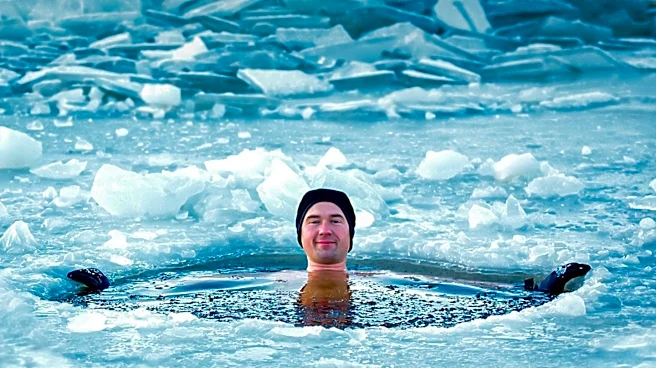
Cold plunge tubs, essentially tubs of cold water maintained between the high 30s and 50s Fahrenheit, are increasingly being adopted by individuals for post-workout recovery and as a morning ritual. Once primarily found in professional athletic settings,
these tubs are now common in homes. Consumers can choose between inflatable and hard-shell models, each offering distinct advantages. Inflatable tubs are generally more affordable, easier to store, and simpler to set up, making them suitable for beginners or those with limited space. Hard-shell tubs, conversely, offer greater durability, a more premium feel, and enhanced stability, appealing to regular users with dedicated spaces. The effectiveness of cold water immersion is still an evolving area of research, with individual results varying. It is advised that individuals with pre-existing health conditions, such as heart issues or high blood pressure, consult a doctor before engaging in cold plunging.
Why It's Important?
The growing popularity of cold plunges signifies a broader trend in personal wellness and recovery practices within the U.S. This shift indicates an increased consumer interest in at-home health solutions, moving beyond traditional gym-based recovery methods. The market for cold plunge equipment, including tubs and chillers, is expanding, creating opportunities for manufacturers and retailers. The availability of both inflatable and hard-shell options caters to a wider demographic, from budget-conscious individuals to those seeking a more permanent wellness installation. This trend also highlights a consumer willingness to invest in specialized equipment for perceived health benefits, even as scientific research continues to develop. The emphasis on consulting healthcare providers underscores a growing awareness of potential health implications associated with such practices, promoting responsible adoption.
What's Next?
The market for cold plunge systems is likely to see continued innovation, particularly in chiller technology, which is crucial for maintaining consistent water temperatures and cleanliness. Manufacturers may focus on developing more energy-efficient and quieter chillers, as well as integrated filtration and sanitation systems. As more individuals adopt cold plunging, there may be an increase in demand for accessories and complementary wellness products. Further research into the long-term health benefits and optimal protocols for cold water immersion could also influence product development and marketing strategies. The expansion of this wellness trend may lead to more specialized retail outlets or dedicated wellness centers offering cold plunge services, further integrating it into mainstream health and fitness routines.
Beyond the Headlines
The rise of cold plunges reflects a broader cultural embrace of biohacking and self-optimization trends, where individuals seek methods to enhance physical and mental performance. This movement often draws from practices historically associated with elite athletes or traditional wellness philosophies, now made accessible to the general public. The decision between inflatable and hard-shell tubs also touches upon consumer values related to sustainability, permanence, and convenience in personal health investments. As these practices become more widespread, there may be discussions around standardization of safety guidelines and clearer communication of scientific evidence to manage consumer expectations. The integration of such specialized wellness tools into everyday life also highlights evolving perceptions of health, moving towards proactive and personalized approaches rather than solely reactive medical interventions.