



What's Happening?
Brookings-based electronic sign manufacturer Daktronics is currently involved in inquiries by both the U.S. Securities and Exchange Commission (SEC) and the National Basketball Association (NBA). These investigations are part of a broader probe into alleged
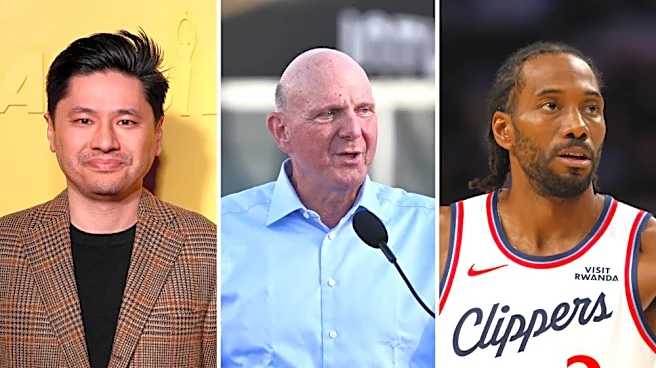
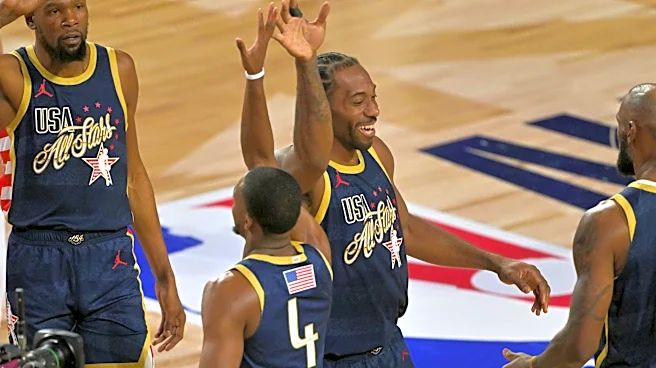
wrongdoing by player Kawhi Leonard and the Los Angeles Clippers team concerning salary cap circumvention. According to an NBA report, Daktronics was one of three companies that provided compensation to Leonard through 'impermissible endorsement arrangements' designed to pay him beyond his contractual salary. The NBA's independent investigation found that the Clippers 'initiated, facilitated and induced' Daktronics and other companies to enter into multi-million dollar endorsement deals with Leonard to secure business opportunities with the team. Daktronics reportedly paid Leonard $8 million and subsequently won a contract to supply electronic signage, including a $100 million 'halo board,' for the Intuit Dome in Los Angeles, the Clippers' home arena. While Daktronics has not been formally accused of wrongdoing or lawbreaking, the company played a significant role in the scandal. Daktronics officials, including acting chief financial officer Howard Atkins, confirmed during a quarterly earnings call that they have received requests for information from both the NBA and the SEC and are cooperating with the investigations.
Why It's Important?
This situation highlights the significant legal and financial risks that companies face when engaging in business dealings with professional sports organizations, particularly when those dealings involve player endorsements and team contracts. For Daktronics, a publicly-traded company, the involvement in an SEC inquiry could lead to regulatory penalties, reputational damage, and potential financial repercussions, even if no formal charges are filed. The NBA's findings of 'a pattern of misconduct and multiple significant rules violations' by the Clippers, a 'prior offender' of salary cap circumvention rules, underscore the league's commitment to maintaining competitive balance and financial integrity. The penalties imposed on the Clippers, including a $30 million fine, forfeiture of draft picks, and suspensions of team officials, demonstrate the severe consequences for violating league rules. This case also brings to light the complex interplay between corporate sponsorships, player endorsements, and the strict financial regulations governing professional sports, emphasizing the need for rigorous compliance and ethical conduct in such partnerships.
What's Next?
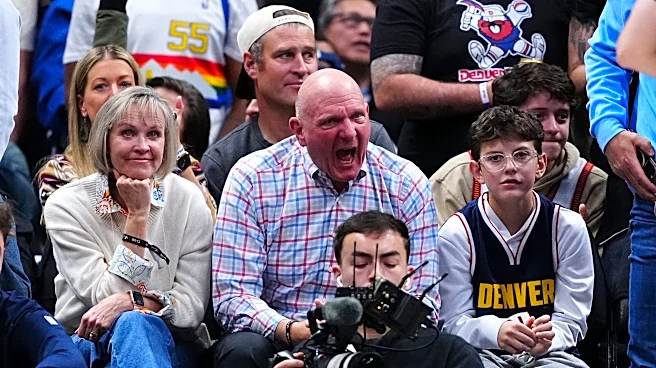
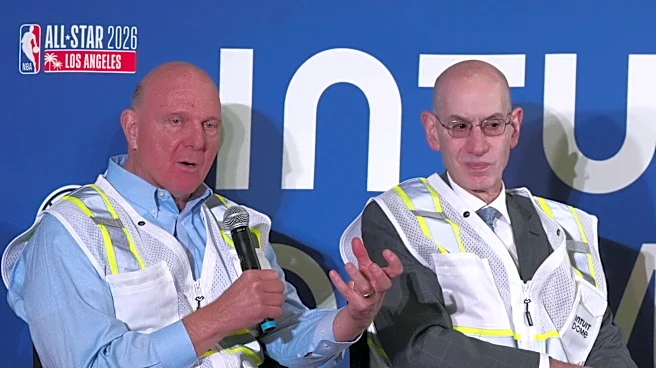
Daktronics has stated it will not provide further comment on the ongoing investigations, citing respect for the processes of the NBA and SEC. The SEC's inquiry will determine if any securities laws were violated by Leonard, the Clippers, or Daktronics. The NBA has already issued substantial penalties against the Clippers and Leonard, including a $30 million fine for the team, a $700,000 fine for Leonard, forfeiture of five future first-round draft picks for the team, and suspensions for several team officials, including owner Steve Ballmer. The outcome of the SEC investigation could lead to further legal actions or financial penalties for Daktronics if violations are found. The company's future business relationships with sports teams may also be impacted, potentially affecting its market position and revenue streams. The broader implications for the NBA could include a review of its enforcement mechanisms and potentially stricter oversight of team and player endorsement deals to prevent similar circumvention schemes in the future.
Beyond the Headlines
This case delves into the ethical complexities of corporate influence in professional sports and the potential for 'spend back' arrangements to blur the lines between legitimate business deals and salary cap circumvention. The NBA report detailed how the Clippers allegedly pressured Daktronics to increase its payment to Leonard, linking it to the team's decision to spend more on the scoreboard. This suggests a coercive dynamic where companies might feel compelled to engage in questionable practices to secure lucrative contracts with sports franchises. The scandal also raises questions about the due diligence expected from publicly-traded companies like Daktronics when entering into endorsement agreements, especially those involving high-profile athletes and significant financial outlays. The involvement of the SEC underscores the financial regulatory dimension, highlighting that such arrangements are not merely internal league matters but can have broader implications for investor confidence and market integrity. This incident could prompt a re-evaluation of transparency and accountability standards in sports business, potentially leading to stricter guidelines for corporate sponsorships and player endorsements across professional leagues.