







What's Happening?
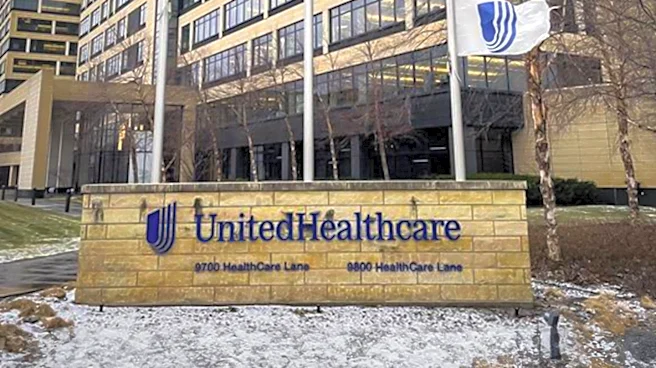
UnitedHealth Group is seeking a Strategy Analyst for its Life Sciences division, offering a fully remote position that allows work from anywhere within the U.S. This role is designed to support the Strategy & Enterprise Development organization in advancing
growth priorities related to data assets, AI-enabled solutions, platform modernization, enterprise partnerships, and life sciences commercialization. The Strategy Analyst will be responsible for conducting market research, competitive analysis, business evaluations, and developing business cases. While the position is remote nationwide, hires in the Minneapolis or Washington, D.C. areas will be required to work in the office a minimum of four days per week. The salary for this full-time role ranges from $72,800 to $130,000 annually, based on factors such as local labor markets, education, and experience.
Why It's Important?
This job opening from UnitedHealth Group is significant for the U.S. healthcare and life sciences sectors. It demonstrates a growing trend of major corporations embracing remote work for strategic and analytical roles, expanding their talent pool across the entire nation. This flexibility can attract top-tier talent who might not be willing or able to relocate, fostering a more diverse and skilled workforce in critical areas like life sciences strategy and AI development. The focus on AI-enabled solutions and data assets highlights the industry's push towards technological innovation and data-driven decision-making. For job seekers, it represents a valuable opportunity to contribute to a leading healthcare company from a remote setting, while for the industry, it signals a continued investment in advanced analytics and strategic growth within the evolving healthcare landscape.
What's Next?
The availability of such a high-level remote position suggests that UnitedHealth Group, and potentially other large healthcare organizations, will continue to integrate remote work into their strategic hiring plans. This could lead to more remote opportunities in specialized fields within healthcare and life sciences, further decentralizing the workforce. Future developments may include the establishment of more robust remote collaboration tools and protocols to ensure seamless integration of remote employees into strategic initiatives. The requirement for in-office presence in specific locations (Minneapolis, Washington, D.C.) indicates a hybrid approach for certain regional hubs, suggesting a nuanced strategy for remote work that balances flexibility with localized team collaboration. This trend will likely influence how other U.S. companies structure their strategic and analytical teams, potentially leading to a broader adoption of hybrid or remote-first models.
Beyond the Headlines
This remote strategy analyst role in life sciences touches upon several deeper implications. Ethically, it raises questions about equitable access to high-paying jobs across different U.S. regions, potentially benefiting areas with fewer local opportunities. Legally, the distinction between nationwide remote work and specific in-office requirements in certain cities highlights the complexities of labor laws and corporate policies in a distributed workforce model. Culturally, it signifies a shift in corporate thinking, where trust and performance metrics are increasingly prioritized over physical presence. The emphasis on AI-enabled solutions also points to the accelerating digital transformation within healthcare, where data analytics and artificial intelligence are becoming central to strategic decision-making and product development, ultimately impacting patient care and public health outcomes across the U.S.