




What's Happening?
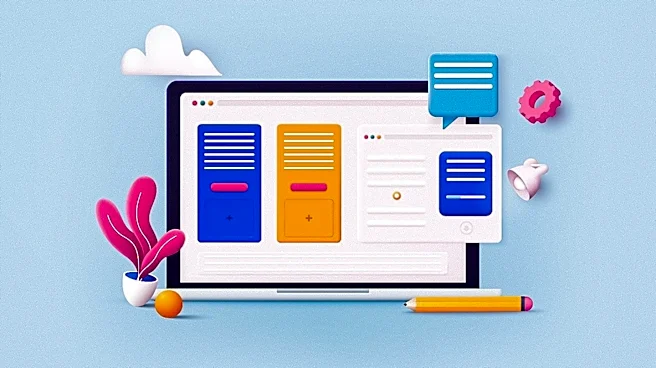
A job posting for a UI/UX Designer highlights the increasing integration of AI-powered design tools in the industry. The role seeks a creative and detail-oriented professional with 3-5 years of experience to design intuitive, engaging, and user-centered
digital experiences for web and mobile applications. Key responsibilities include creating user flows, wireframes, high-fidelity mockups, and interactive prototypes using tools like Figma and XD. The designer will also conduct user research, usability testing, and heuristic evaluations to improve user experience. A significant aspect of the role is staying updated with the latest UX/UI trends, accessibility guidelines, and AI-powered design tools such as Figma AI, Adobe Firefly, Canva AI, or Uizard, to enhance design efficiency and innovation. The position also involves building and maintaining design systems, ensuring consistency across products, and collaborating with cross-functional teams throughout the product development lifecycle.
Why It's Important?
This job description reflects a critical evolution in the U.S. design and technology sectors, underscoring the growing importance of AI in creative workflows. The explicit mention of AI-powered design tools as a required skill indicates that these technologies are no longer niche but are becoming mainstream and essential for UI/UX professionals. This shift means that designers must not only possess traditional design skills but also adapt to leveraging AI for efficiency, innovation, and staying competitive. For businesses, integrating AI into design processes can lead to faster iteration cycles, more personalized user experiences, and potentially reduced development costs. It also highlights the ongoing demand for user-centered design principles, accessibility standards, and responsive design best practices, which remain foundational even with advanced AI assistance. This trend will likely influence design education, tool development, and the overall hiring landscape for creative roles, pushing for a blend of artistic vision and technological proficiency.
What's Next?
Candidates for this UI/UX Designer role will need to demonstrate a strong portfolio showcasing user-centered design, interaction design, visual design, and end-to-end product design. Proficiency in Figma, including advanced features like Auto Layout, Components, Variants, and Design Systems, is crucial. The successful applicant will be expected to manage multiple projects, prioritize tasks, and deliver high-quality designs in a fast-paced environment, often within Agile/Scrum methodologies. As AI design tools continue to advance, designers in similar roles will likely see an increased emphasis on prompt engineering, AI model selection, and the ability to critically evaluate and refine AI-generated outputs. The industry will continue to explore how AI can further automate repetitive tasks, allowing designers to focus more on strategic thinking, complex problem-solving, and fostering deeper user empathy.
Beyond the Headlines
The integration of AI into UI/UX design raises profound questions about the future of creative professions. While AI tools promise to enhance efficiency and innovation, they also necessitate a redefinition of the designer's role. The emphasis on 'staying up to date with AI-powered design tools' suggests a continuous learning curve for professionals, where adaptability to new technologies is paramount. This could lead to a bifurcation in the design field: those who master AI tools will thrive, while those who resist may find their skills becoming less relevant. Furthermore, the ethical implications of AI in design, such as potential biases embedded in algorithms or the impact on design originality, will become increasingly important considerations. Designers will need to develop a critical understanding of how AI influences aesthetics, usability, and accessibility, ensuring that technology serves human needs rather than dictating them. This evolution points towards a future where human creativity is augmented by AI, requiring a symbiotic relationship between designer and machine.