





What's Happening?
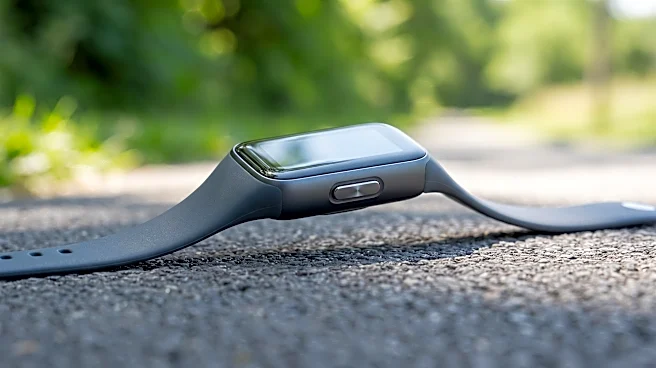
The fitness tracker market presents a range of devices with differing features and pricing structures, including optional subscription models for advanced insights. According to Wareable, devices like the Hume Band 2.0 and Fitbit Air offer subscriptions
for additional functionalities, while some subscription-free models provide more limited data. The Fitbit Edge is highlighted for its straightforward design and lack of distractions, though it foregoes smartwatch capabilities such as NFC interactions. Wareable's testing insights and personal experiences lead them to recommend the Hume Band 2.0 as the best overall alternative to WHOOP, emphasizing that these recommendations are based on practical use rather than definitive verdicts. Other trackers like the Herz P1 Smart Band are noted for their affordability and basic tracking, while the Amazfit Helio Strap focuses on performance metrics without a mandatory subscription. The Polar Loop offers subscription-free tracking with a focus on daily activity and recovery.
Why It's Important?
The diverse offerings in the fitness tracker market reflect a growing consumer demand for personalized health and wellness data, impacting how individuals manage their physical activity and health. The choice between subscription-based and subscription-free models directly affects consumer spending and access to advanced health insights, potentially creating a divide in the quality of health monitoring available to different economic demographics. For instance, the Hume Band 2.0's focus on longevity insights without a mandatory subscription could appeal to a broader audience interested in long-term wellness without recurring costs. Conversely, devices like the Fitbit Air, which lock some advanced features behind a premium subscription, might encourage continuous engagement with a specific ecosystem but also introduce ongoing expenses. This landscape influences how technology companies strategize their product development and monetization, balancing comprehensive features with accessibility and affordability to capture different segments of the health-conscious market.
What's Next?
The trend of offering optional subscriptions for advanced fitness tracker features is likely to continue, pushing manufacturers to innovate in both hardware and software to justify these recurring costs. Consumers can expect to see further differentiation in product offerings, with some brands focusing on niche areas like longevity or performance tracking, while others prioritize affordability and basic health monitoring. The competition among fitness tracker companies will likely drive improvements in sensor accuracy, data interpretation, and user interface design. As more health data becomes available through these devices, there may also be increased scrutiny regarding data privacy and security, potentially leading to new regulations or industry standards. The integration of fitness trackers with broader health ecosystems, such as Google Health, suggests a future where personal health data is more seamlessly connected and utilized for comprehensive wellness management.
Beyond the Headlines
The evolution of fitness trackers beyond simple step counters into sophisticated health monitoring devices raises deeper questions about the commodification of health data and the role of technology in personal well-being. The emphasis on metrics like HRV, sleep stages, and recovery scores, often behind paywalls, transforms personal health into a service, potentially creating a dependency on technology for self-assessment. This shift could lead to a redefinition of what constitutes 'healthy living,' with data-driven insights becoming central to individual health narratives. Furthermore, the varying levels of accuracy and consistency reported in different devices, even among those from reputable brands, highlight the challenges in translating complex biological data into actionable insights. This underscores the importance of critical evaluation by consumers and the need for transparent reporting from manufacturers regarding the scientific validity and reliability of their health metrics.