







What's Happening?
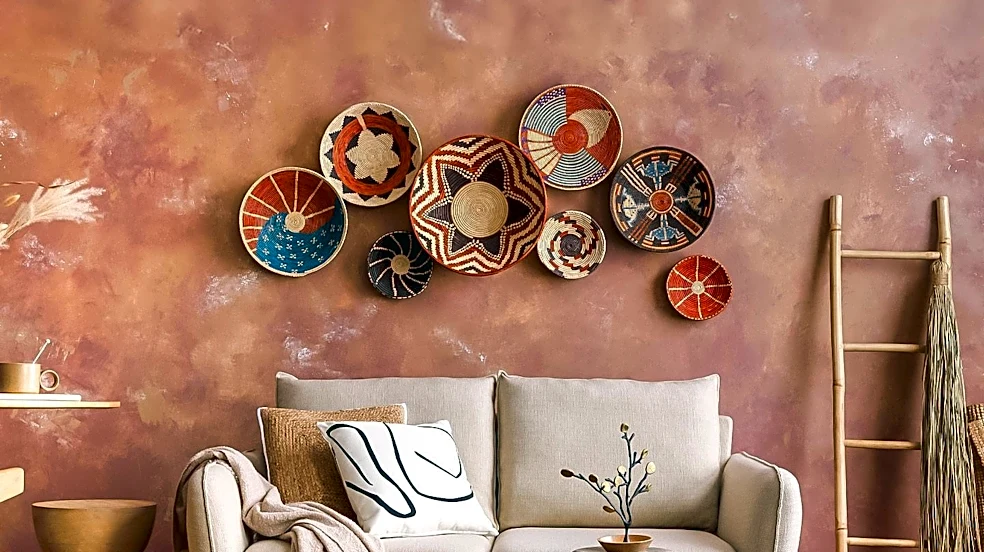
Creating an effective gallery wall involves strategic planning, focusing on the visual center and consistent spacing between frames. For a single picture or the center of a group, the visual center should be positioned 57 to 60 inches from the floor,
which aligns with the average adult eye level. This ensures comfortable viewing without straining. When arranging multiple frames, it's recommended to treat the entire collection as one large picture, identifying its visual center and hanging that point at the specified height. Planning can involve laying frames on the floor to experiment with arrangements or using paper cutouts taped to the wall. Maintaining consistent gaps of 1.5 to 3 inches (4 to 8 cm) between frames is crucial for a cohesive look. A spirit level should be used throughout the hanging process to prevent crooked frames, which can detract from the overall effect. The outline of the entire gallery wall should also be proportionate to the wall space and any furniture beneath it.
Why It's Important?
The strategic placement and spacing of gallery walls significantly impact the aesthetic and functional appeal of interior spaces. By adhering to guidelines such as hanging the visual center at eye level, the artwork becomes more accessible and enjoyable for viewers, enhancing the overall experience of a room. This approach prevents common mistakes like hanging pictures too high or too low, which can make a room feel unbalanced or cause artwork to appear disconnected from its surroundings. Proper planning and execution, including consistent spacing and proportionality, contribute to a polished and intentional design, transforming a collection of individual pieces into a unified display. This attention to detail can elevate the perceived value and sophistication of a space, whether in a residential setting or a public gallery, making the environment more inviting and visually harmonious. Furthermore, considering the outline of the group in relation to furniture ensures that the art complements, rather than competes with, other elements of the room's decor.
What's Next?
Individuals planning to create gallery walls should begin by measuring their wall space and considering the scale of their desired arrangement. Experimentation with frame layouts on the floor or using paper templates on the wall will be a critical next step to visualize the final look before making permanent installations. Selecting appropriate frames and ensuring they are rated for the weight of the artwork is also essential for safety and longevity. For those with specific design goals, such as integrating pop art prints or celestial themes, careful selection of artwork that complements the desired aesthetic will be necessary. Professional advice may be sought for heavy or valuable pieces to ensure secure fixing. Ultimately, the next steps involve a methodical approach to planning, selection, and installation to achieve a visually appealing and well-integrated gallery wall that enhances the chosen space.
Beyond the Headlines
The principles of gallery wall design extend beyond mere aesthetics, touching upon psychological and cultural aspects of how humans interact with their environment. The emphasis on eye-level placement, for instance, taps into fundamental human visual processing, ensuring that art is viewed comfortably and naturally, fostering a deeper engagement with the pieces. The act of curating a gallery wall, whether in a home or a public space, also reflects a desire for personalization and storytelling, transforming blank walls into narratives of personal taste, memories, or artistic expression. This process can contribute to a sense of well-being and identity within a space, as art has been shown to play a role in promoting mental health. The careful balance between individual pieces and the collective arrangement also mirrors broader societal needs for both individual expression and communal harmony, making a gallery wall a microcosm of design philosophy.