
What's Happening?
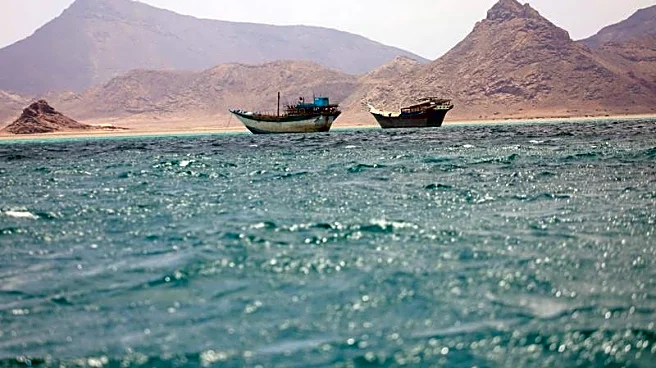
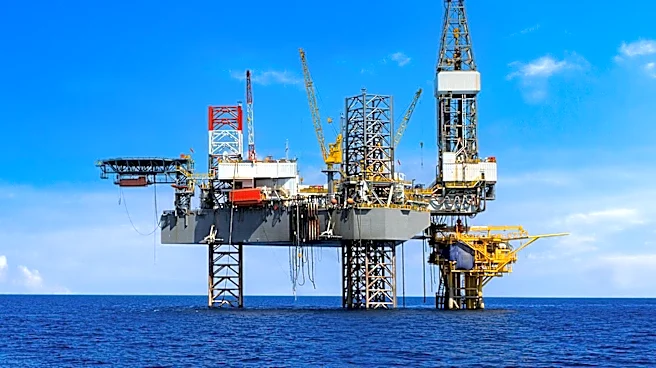
Oil prices have surged over 30% in the past month, reaching $100 a barrel due to renewed US-Iran fighting in the Middle East. This conflict has threatened global energy supplies, particularly affecting
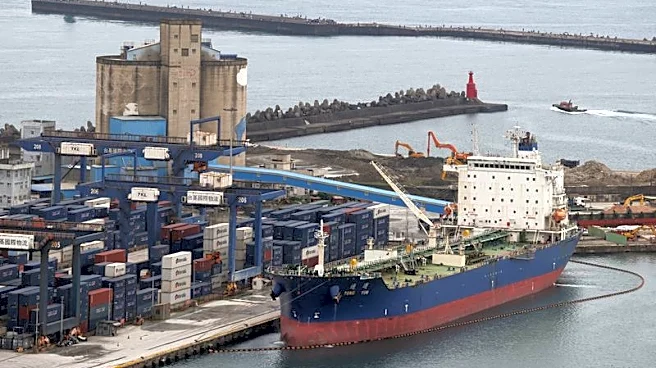
key oil-shipping routes such as the Strait of Hormuz. The disruptions have led to increased shipping and refining costs, with diesel, jet fuel, and gas prices rising faster than crude oil prices. Analysts warn that the energy shock is more significant than the $100 Brent crude price suggests, as refined-fuel premiums have surged. The turmoil has also driven up freight and insurance costs, making it more expensive to transport oil and fuel globally.
Why It's Important?
The surge in oil prices and the associated increase in shipping and refining costs have significant implications for the global economy. Higher fuel prices can lead to increased costs for transportation and manufacturing, potentially driving inflation and affecting consumer spending. The situation is exacerbated by low stock levels of natural gas and strategic oil reserves, which could lead to further price increases and supply shortages. The potential extension of Russia's export ban on diesel adds to the uncertainty, as it is a major supplier of the fuel. These developments could impact industries reliant on fuel, such as aviation and logistics, and may influence energy policies and international relations.
What's Next?
If the US-Iran conflict continues, further disruptions in oil supply routes could occur, leading to more significant price increases and supply shortages. Stakeholders, including governments and businesses, may need to explore alternative energy sources or increase strategic reserves to mitigate the impact. The situation may prompt discussions on energy security and the need for diversified energy supplies. Additionally, countries may seek diplomatic solutions to ease tensions and stabilize the oil market.
Beyond the Headlines
The current energy shock highlights the vulnerability of global supply chains to geopolitical conflicts. It underscores the importance of energy diversification and the potential need for investment in renewable energy sources to reduce dependency on volatile regions. The situation also raises ethical considerations regarding the environmental impact of increased fossil fuel consumption and the need for sustainable energy policies.