
What's Happening?
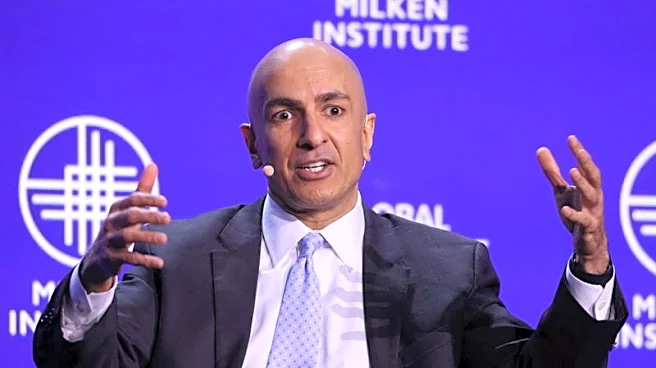
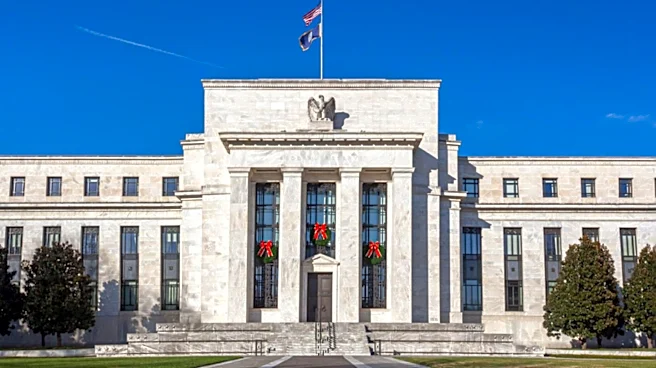
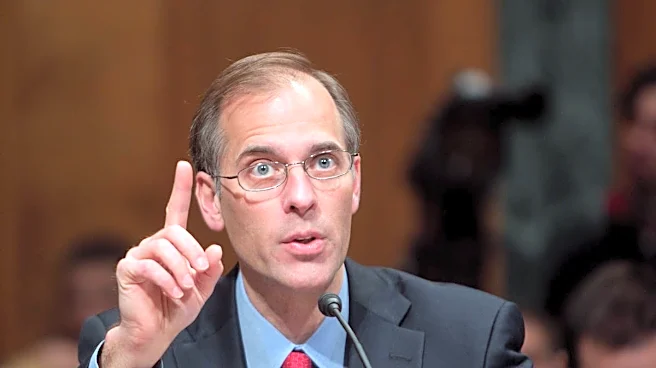
Kevin Warsh, recently confirmed as Federal Reserve Chair, has adopted a sparse communication strategy, causing uncertainty among investors accustomed to frequent updates. This approach, combined with a high number of Fed officials favoring immediate rate hikes,
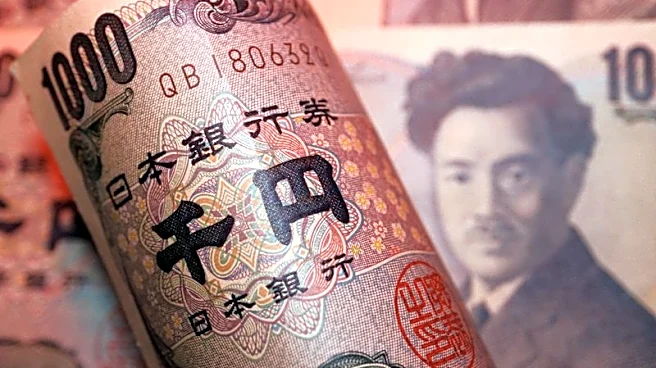
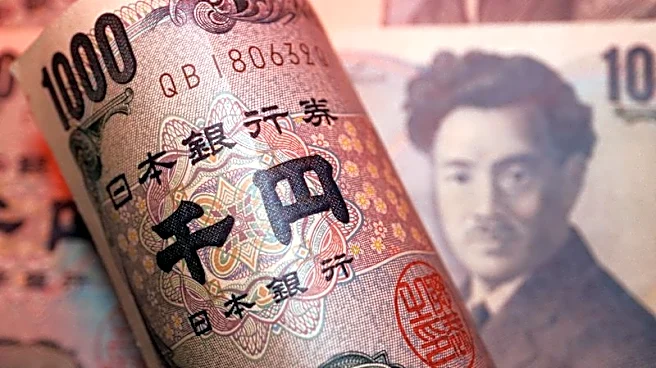
has contributed to a rise in 30-year Treasury yields, which have remained above 5% for an extended period. The U.S. Treasury has also intervened to support the yen, signaling a preference for a weaker dollar. These developments have reignited the 'Sell America' debate, impacting global markets.
Why It's Important?
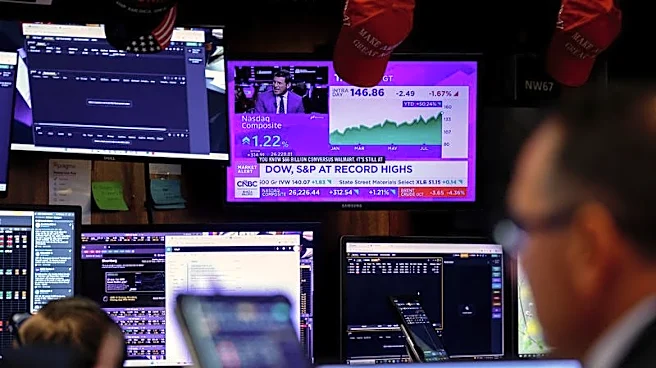
Warsh's communication strategy and the Fed's stance on interest rates are critical for financial markets, influencing investor confidence and economic forecasts. The rise in Treasury yields reflects concerns about inflation and monetary policy, affecting borrowing costs and investment decisions. The U.S. Treasury's intervention in currency markets adds another layer of complexity, with potential implications for trade and international relations. These factors are pivotal for economic stakeholders, including businesses, policymakers, and investors, as they navigate a volatile financial landscape.
What's Next?
Investors and analysts will closely monitor the Federal Reserve's actions and communication for indications of future policy shifts. The ongoing debate over the U.S. dollar's strength and its impact on global trade will also be a focal point. Stakeholders should prepare for potential market volatility and adjust strategies accordingly, considering the broader economic implications of rising yields and currency interventions.