







What's Happening?
Ueno Park, located in the Taito district of Tokyo, Japan, is highlighted as a significant landmark offering a wide array of attractions. It is recognized as Japan's first designated public park and provides cultural, artistic, and natural experiences.
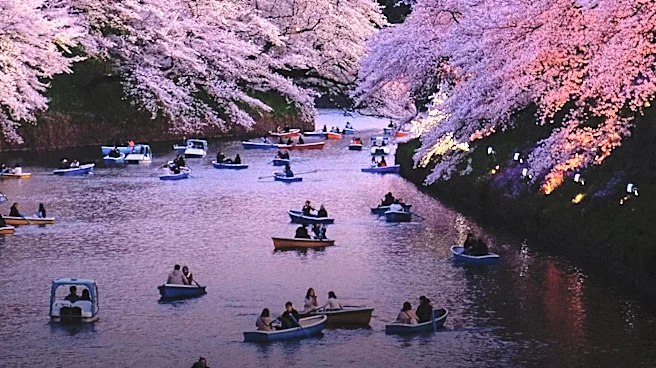
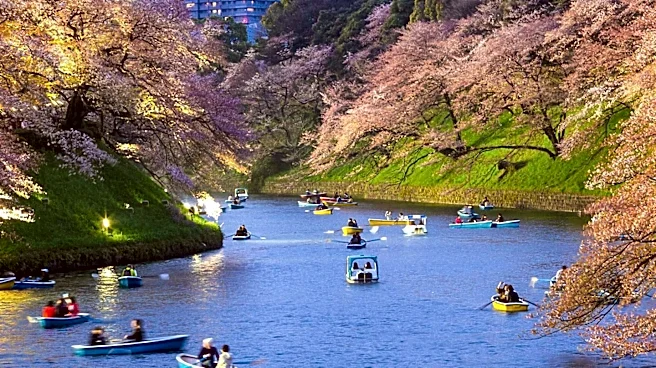
Key features within the park include the Ueno Zoo, which houses a giant panda and other exotic animals, and the Tokyo National Museum, the largest and most historic museum in Japan, containing numerous national treasures and important cultural assets. Additionally, the National Museum of Western Art, designed by architect Le Corbusier and recognized as a World Heritage Site, is situated within the park. Visitors can also enjoy the Shinobazu Pond for cherry blossom viewing and swan boat rentals, the Ueno Toshogu Shrine built in 1627, and the Bronze Statue of Saigo Takamori, a representative figure of the Meiji Restoration. The park is easily accessible via JR, Tokyo Metro Ginza Line/Hibiya Line 'Ueno Station' and Keisei Electric Railway 'Keisei Ueno Station'.
Why It's Important?
Ueno Park's comprehensive offerings make it a crucial cultural and recreational hub in Tokyo, attracting a diverse range of visitors from history enthusiasts to families and art lovers. Its status as Japan's first public park underscores its historical significance in urban planning and public spaces. The presence of institutions like the Tokyo National Museum and the National Museum of Western Art positions it as a center for preserving and showcasing both Japanese and international art and history. The park's accessibility and variety of attractions contribute significantly to Tokyo's tourism appeal, providing economic benefits through visitor spending on admissions, dining, and local businesses. Furthermore, its role as a green space in a densely populated city offers important environmental and social benefits, providing residents and tourists with opportunities for relaxation and engagement with nature and culture.
What's Next?
As a well-established and popular destination, Ueno Park is expected to continue drawing significant numbers of domestic and international tourists. Future developments may focus on enhancing visitor experiences, potentially through updated exhibitions at its museums, improved accessibility, or new recreational offerings. The park's ongoing maintenance and preservation efforts will be crucial to sustain its historical and cultural integrity. Given its status as a major landmark, it will likely remain a focal point for cultural events and public gatherings in Tokyo. Continued promotion of its diverse attractions, including its historical sites, museums, and natural beauty, will be key to maintaining its appeal and ensuring its role as a vibrant public space.
Beyond the Headlines
Ueno Park represents a broader trend in urban development where historical and cultural preservation is integrated with modern recreational needs. Its success highlights the value of creating multi-faceted public spaces that cater to various interests, from education and art to leisure and nature. The park's ability to blend ancient shrines with world-class museums and a zoo reflects a unique approach to urban planning that respects heritage while embracing contemporary attractions. This model could serve as an inspiration for other cities looking to develop public spaces that are both culturally rich and widely accessible. The park also subtly showcases Japan's commitment to cultural diplomacy through its international art collections and its role in presenting Japanese history to a global audience.