




What's Happening?
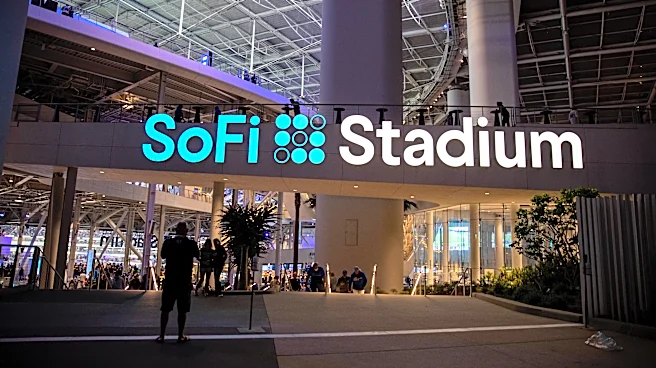
A recent study conducted by hearing aid provider ReSound US has surprisingly ranked SoFi Stadium, the home of the Los Angeles Rams and Chargers, as the fourth-loudest stadium in the NFL. This ranking places the $7 billion venue ahead of historically noisy
stadiums like Seattle's Lumen Field. The study analyzed 30 NFL stadiums based on three key factors: average home attendance during the 2025 season, noise-related complaints found in Tripadvisor reviews, and architectural features designed to amplify crowd noise. SoFi Stadium achieved a Noise Index score of 22.52 out of 30, trailing only AT&T Stadium in Dallas (24.90), Mercedes-Benz Stadium in Atlanta (24.56), and U.S. Bank Stadium in Minnesota (22.76). This finding challenges the long-held perception that Los Angeles fans are less boisterous, often criticized for late arrivals, early departures, and even rooting for opposing teams within their home stadium.
Why It's Important?
This study is significant because it re-evaluates the perception of fan engagement and stadium atmosphere in Los Angeles, a market often criticized for its sports fan culture. By ranking SoFi Stadium as one of the loudest, it suggests that the venue's design plays a crucial role in amplifying sound, potentially creating a more intimidating environment for visiting teams, regardless of traditional fan stereotypes. For the Rams and Chargers, this could translate into a tangible home-field advantage, influencing game outcomes and player performance. Furthermore, the methodology, which considers factors beyond raw decibel levels—such as overall noise experience including PA systems and halftime performances—offers a broader perspective on what constitutes a 'loud' stadium. This could influence future stadium designs and fan engagement strategies across the league, as teams seek to maximize the home-field experience.
What's Next?
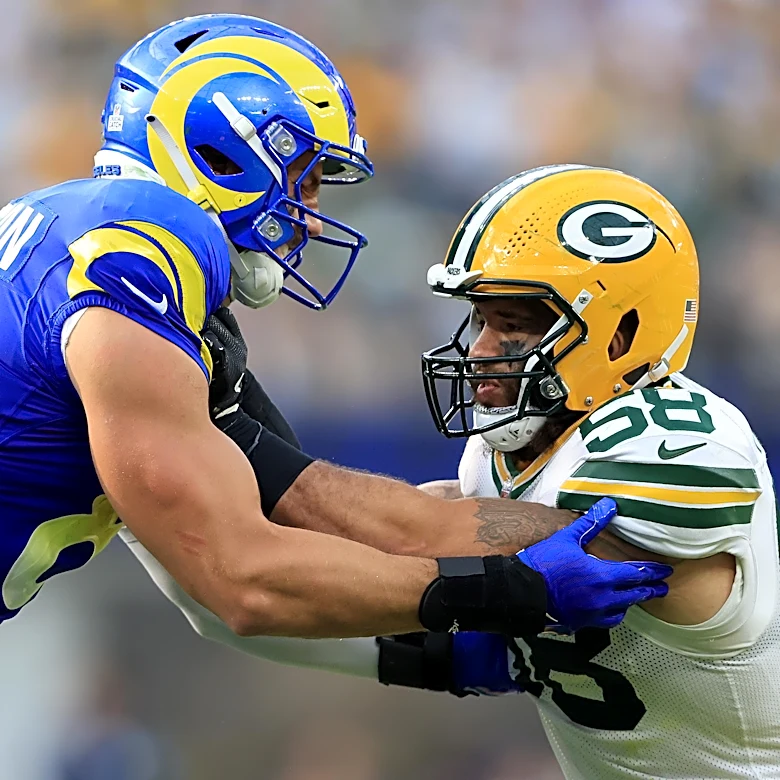
The findings of this study could prompt a re-evaluation of fan perceptions and marketing strategies for the Los Angeles NFL teams. As SoFi Stadium prepares for upcoming high-stakes games, such as the Thanksgiving Eve matchup between the Los Angeles Rams and the Green Bay Packers, the stadium's noise level will be under increased scrutiny. This game, with potential Wild Card implications, is expected to be particularly loud, further testing the study's conclusions. Other NFL teams and stadium developers might also examine ReSound's methodology to understand how architectural design and fan experience contribute to overall stadium noise, potentially influencing future construction or renovation projects aimed at enhancing crowd impact. The study may also encourage further research into the psychological effects of stadium noise on both home and visiting teams.
Beyond the Headlines
Beyond the immediate implications for NFL teams and fans, this study touches upon the evolving understanding of what constitutes a 'home-field advantage' in professional sports. It highlights that factors beyond just fan loyalty, such as stadium acoustics and design, can significantly contribute to the atmosphere. This could lead to a deeper exploration of how built environments influence human behavior and performance in competitive settings. Ethically, it raises questions about the balance between creating an exciting fan experience and ensuring player safety, particularly concerning potential long-term hearing impacts from consistently high noise levels. Culturally, it challenges narratives about fan bases, suggesting that perceived enthusiasm might be influenced by environmental factors as much as by inherent fan characteristics, potentially shifting how sports media and the public characterize different fan communities.