







What's Happening?
A recent study by digital marketing agency Click Intelligence has identified Penang Island in Malaysia as the most affordable city for digital nomads. The study, which analyzed 26 cities across 15 countries, estimates monthly living costs on Penang Island at approximately
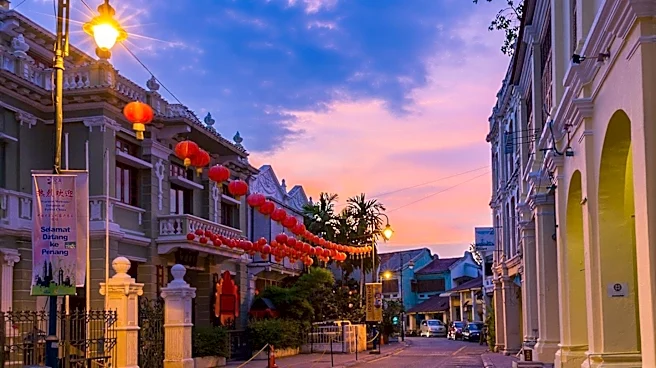
€850 (around US$950). This figure includes rent for a one-bedroom apartment in the city center, estimated at €393, leaving about €457 for food, transport, internet, and leisure. The research combined factors such as living costs, national fixed broadband subscriptions, internet usage, homicide rates, and the availability of official digital nomad or remote-worker visas to determine destinations offering a balance of affordability, connectivity, safety, and visa access. Penang Island is noted for its historic architecture, vibrant street art in George Town, and diverse culinary scene, offering numerous low-cost activities and dining options.
Why It's Important?
This ranking highlights a growing trend in remote work and its impact on global economies and individual lifestyles. For U.S. citizens considering a digital nomad lifestyle, Penang Island presents a significantly more affordable option compared to many Western cities, potentially extending their financial runway and improving their quality of life. The emphasis on factors beyond just cost, such as connectivity and safety, underscores the evolving needs of remote workers. The availability of budget-friendly destinations like Penang could encourage more Americans to explore international remote work, leading to a brain drain from certain U.S. sectors or, conversely, fostering a more globally aware and experienced workforce upon their return. This trend also impacts local economies in host countries, bringing in foreign currency and potentially influencing local housing markets and service industries.
What's Next?
The findings of this study could lead to increased interest in Penang Island as a destination for digital nomads, including those from the U.S. This might prompt local authorities to further develop infrastructure and services catering to this demographic, such as co-working spaces and specialized visa programs. Other cities and countries may also take note of the criteria used in the study and work to enhance their appeal to remote workers, potentially leading to a global competition for digital nomad talent. For individuals, this information provides a valuable resource for planning future remote work endeavors, encouraging a more strategic approach to choosing their next temporary home based on a comprehensive set of factors beyond just cost.
Beyond the Headlines
The rise of the 'digital nomad' and 'slowmad' lifestyles reflects a fundamental shift in how work is perceived and performed, moving away from traditional office-centric models. This evolution has profound implications for urban planning, immigration policies, and the global distribution of talent. While offering freedom and affordability, this lifestyle also raises questions about social integration, access to healthcare, and the long-term sustainability of transient communities. The distinction between a fast-paced 'digital nomad' and a more settled 'slowmad' suggests a maturing of this movement, with individuals seeking deeper connections and stability while retaining location independence. This trend could also influence the development of new financial products, insurance schemes, and community platforms designed specifically for this mobile workforce.