






What's Happening?
The food packaging industry is undergoing significant transformation driven by advancements in sustainable materials and smart automation, according to a Globe Market Research analysis. The global Food Packaging Market, valued at USD 536.1 billion in 2025,
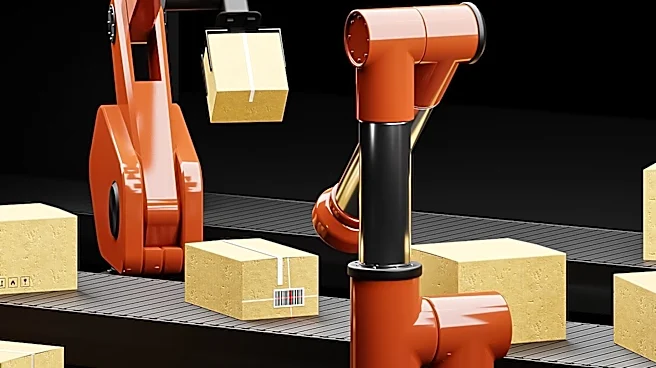
is projected to reach USD 1,025.5 billion by 2035, growing at a CAGR of 6.7%. Key developments include the introduction of paper-based barrier technology by Tetra Pak, achieving up to 90% renewable content and a 50% reduction in carbon footprint for aseptic cartons. Amcor has also commercialized AmPrima Plus recycle-ready packaging, reducing packaging weight by 82% for dairy products. Digital printing is gaining traction, exemplified by HP Indigo's USD 50 million agreement with ePac, enabling greater flexibility for shorter production runs and customized designs. Additionally, advanced packaging technologies like modified atmosphere packaging are crucial for extending shelf life and reducing food waste, with automation improving production efficiency and quality control.
Why It's Important?
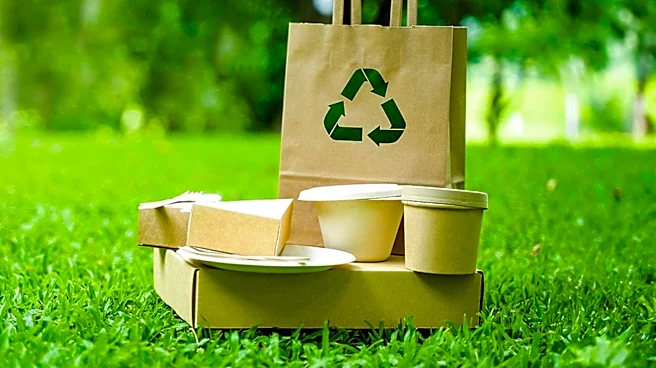
These advancements are critical for the U.S. food industry, which faces increasing consumer demand for sustainable products and stricter environmental regulations. The shift towards renewable and recyclable packaging materials directly impacts manufacturers' supply chains, operational costs, and brand image. Companies adopting these innovations can enhance their environmental credentials, meet corporate sustainability goals, and potentially reduce their carbon footprint. The growth in flexible packaging, which accounted for 54.3% of the market in 2025, offers opportunities for material efficiency but also presents recycling challenges, pushing for mono-material structures. Smart automation and digital printing enable greater production flexibility and efficiency, crucial for responding to diverse market demands and reducing waste. For U.S. consumers, these changes mean more sustainable packaging options and potentially longer-lasting food products, contributing to reduced household food waste.
What's Next?
The food packaging industry is expected to continue its trajectory towards greater sustainability and automation. Manufacturers will likely invest further in research and development for advanced barrier materials that are both protective and environmentally friendly, such as paper-based alternatives to aluminum foil. The adoption of digital printing technologies will expand, allowing for more personalized and efficient packaging solutions. Increased collaboration between food brands, packaging suppliers, and technology providers will be essential to integrate these innovations effectively. Furthermore, the industry will need to address the challenges of recycling complex packaging structures by developing more compatible materials and investing in improved recycling infrastructure. Regulatory bodies may also introduce new standards for packaging recyclability and material content, influencing future product development and market strategies.
Beyond the Headlines
The evolution of food packaging extends beyond mere material science and operational efficiency; it touches upon significant ethical and societal dimensions. The drive for sustainable packaging is a direct response to growing environmental concerns, particularly plastic pollution and climate change, reflecting a collective societal shift towards greater ecological responsibility. Ethically, companies are increasingly being held accountable for the entire lifecycle of their products, including packaging, pushing them towards 'cradle-to-cradle' design principles. The integration of smart packaging technologies, such as QR codes and RFID tags, not only enhances traceability and food safety but also empowers consumers with more information about their food's origin and environmental impact, fostering greater transparency. This transformation signifies a long-term shift in how food is produced, distributed, and consumed, aiming for a more sustainable and responsible food system that balances convenience with ecological stewardship.