








What's Happening?
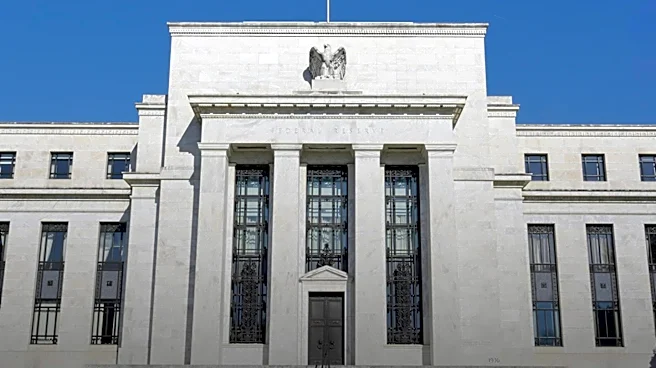
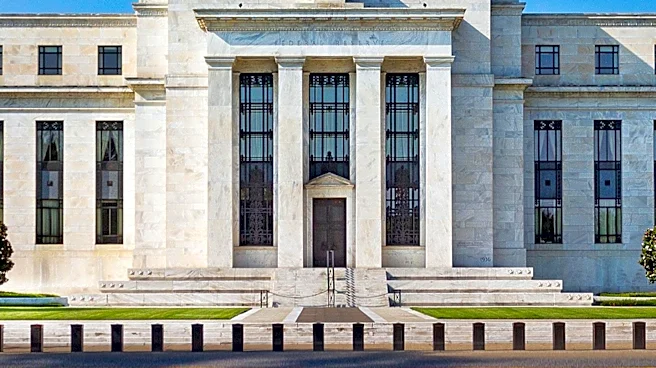
Rep. Bill Foster, a Democratic U.S. Representative from Illinois, has released a discussion draft of the Real-Time Regulatory Study Act of 2026. This proposed legislation directs the Federal Reserve to develop and test open-source technology for regulatory
compliance and real-time financial monitoring of banks and credit unions. The draft outlines three key goals: publishing software modules within one year, completing a systemwide test within 18 months, and delivering a final report to Congress within two years. The Defense Credit Union Council has welcomed this initiative, emphasizing the need for small credit unions to have a voice in the development process. The proposed technology aims to ease compliance burdens across financial institutions and provide regulators with immediate financial data, while ensuring that any testing uses synthetic or legally permitted historical data, prohibiting access to live customer accounts.
Why It's Important?
This proposal is significant for the U.S. banking system as it addresses growing concerns about the rapid spread of financial stress due to artificial intelligence (AI) and 24/7 payment systems, as well as new cybersecurity threats posed by AI advancements. By exploring shared, open-source technology, the draft seeks to reduce regulatory compliance costs, particularly for smaller institutions like credit unions and community banks that may struggle to build their own sophisticated compliance systems. If successful, this could level the playing field between large banks and smaller lenders, potentially altering competitive dynamics. The initiative also highlights a proactive approach to financial regulation in an increasingly complex and technologically driven financial landscape, aiming to enhance stability and oversight.
What's Next?
The Real-Time Regulatory Study Act of 2026 is currently a discussion draft, meaning its timeline and specific provisions may evolve. The Federal Reserve would be tasked with collaborating with other financial regulators, institutions, technology providers, and researchers to develop the demonstration software. The Defense Credit Union Council's request for small credit unions to have a voice in the process suggests that stakeholder engagement will be crucial as the draft moves forward. The ultimate impact on competitive dynamics between financial institutions will depend on how the Federal Reserve structures the demonstration software and whether the final bill maintains voluntary adoption and ensures a formal role for smaller institutions. The next steps involve further discussions, potential revisions to the draft, and eventual consideration for legislative action.
Beyond the Headlines
The push for real-time regulatory technology, or 'RegTech,' signifies a broader shift towards leveraging advanced technology to manage financial risks and ensure compliance. This initiative could set a precedent for how regulatory bodies adapt to technological advancements like AI and instant payment systems, moving from periodic reporting to continuous monitoring. The emphasis on open-source technology also raises questions about data security, interoperability, and the potential for a standardized regulatory framework across diverse financial institutions. While aiming to reduce costs, the implementation of such technology will require significant investment in infrastructure, training, and cybersecurity measures, particularly for smaller entities. This development could also influence global regulatory trends, as other nations grapple with similar challenges in their financial sectors.