





What's Happening?
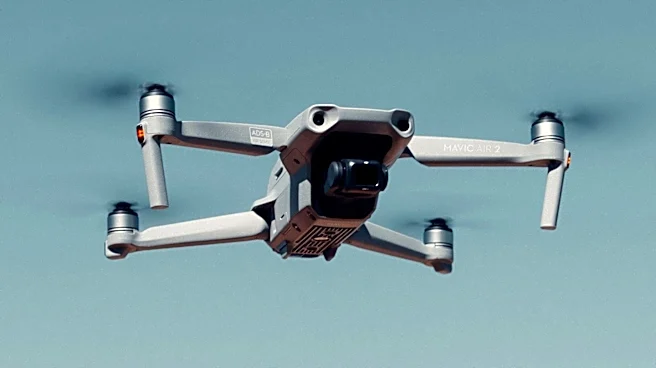
The Federal Communications Commission (FCC) is considering a proposal to retroactively ban certain DJI drones that were previously approved for sale in the United States. This move targets 'military-grade' drones, which include models equipped with LiDAR
obstacle avoidance or thermal cameras. Affected models could include the DJI Air 3S, DJI Avata 360, DJI Mini 5 Pro, and DJI Mavic 3T. The proposal also encompasses drones weighing over 55 pounds and those using docking stations. DJI has expressed strong opposition to this proposal, arguing that it represents a significant reversal from the FCC's previous stance. The company highlights that the ban could impact safety agencies, small businesses, and farmers who rely on these drones for various non-military applications. The public has until September 2 to comment on the proposal.
Why It's Important?
The FCC's proposal could have significant implications for the U.S. drone market, particularly affecting industries that depend on DJI's technology. DJI drones are widely used in agriculture, construction, and emergency services for their advanced imaging capabilities. A ban could lead to increased costs and operational challenges for these sectors, as they may need to seek alternative technologies or face disruptions in their operations. Additionally, the proposal raises concerns about regulatory consistency and the potential for increased scrutiny on other tech products. The outcome of this proposal could set a precedent for how technology with dual-use capabilities is regulated in the future.
What's Next?
Stakeholders, including businesses and individual users, are encouraged to participate in the public comment period, which ends on September 2. This feedback could influence the FCC's final decision. DJI is actively seeking public support to oppose the proposal, emphasizing the non-military applications of its drones. The outcome of this regulatory process will be closely watched by other tech companies and industries that could be affected by similar regulatory actions in the future.