






What's Happening?
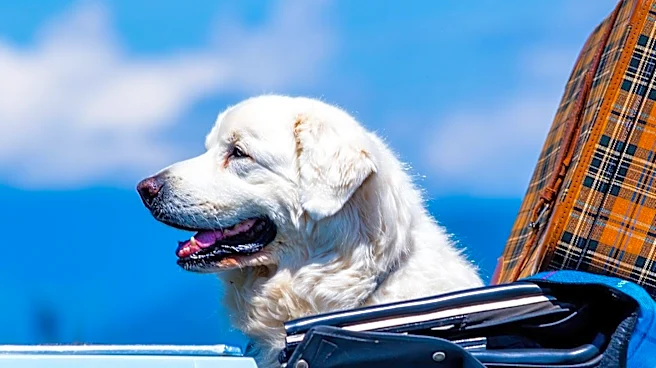
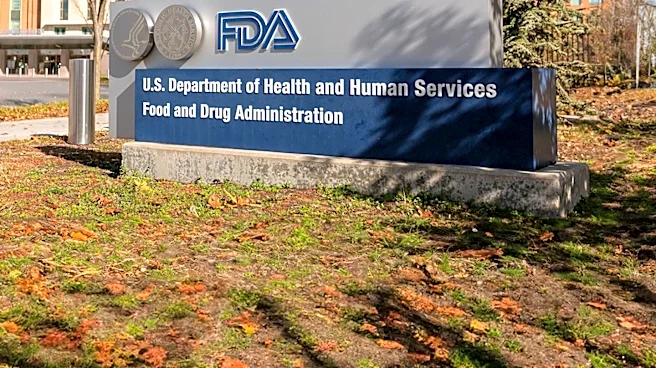
The American Kennel Club (AKC) advises dog owners to prioritize safety during car trips by securing their dogs in the back seat. This recommendation aligns with guidance from the American Veterinary Medical Association (AVMA) and the U.S. Food and Drug
Administration (FDA). The AKC suggests using either a crate of appropriate size or a crash-tested safety harness that attaches to the car's seat belt. These measures are crucial to prevent injuries to the dog and distractions to the driver. The AKC also warns against allowing dogs to put their heads out of car windows due to the risk of injury from debris or the dog leaping out. Additionally, it is emphasized that dogs should never be left alone in a car, regardless of the season, due to extreme temperature risks.
Why It's Important?
These guidelines are important for enhancing pet safety and responsible pet ownership in the U.S. The increasing number of pets traveling with their owners necessitates clear safety protocols to prevent accidents and injuries. Unrestrained pets can become projectiles in a collision, posing a significant danger to themselves and human occupants. They can also distract the driver, leading to accidents. By advocating for secure restraints like crates or crash-tested harnesses, the AKC aims to reduce these risks, promoting safer travel for all. The emphasis on not leaving dogs unattended in vehicles addresses the serious health risks associated with temperature extremes, which can quickly become fatal. Adherence to these recommendations can lead to fewer pet-related traffic incidents and improved animal welfare during transit.
What's Next?
The AKC's continued advocacy for safe pet travel is likely to influence product development in the pet accessory market, leading to more crash-tested crates and harnesses. Educational campaigns by organizations like the AKC and AVMA will continue to raise awareness among pet owners about the importance of proper pet restraint and the dangers of leaving pets in cars. This ongoing education may also prompt discussions about potential legislative measures or stricter enforcement of existing animal welfare laws related to pet transport. As more people travel with their pets, the demand for safe and reliable travel solutions will grow, encouraging innovation and adherence to higher safety standards within the pet industry. The focus will remain on ensuring that pet travel is as safe as possible for both animals and humans.
Beyond the Headlines
Beyond immediate safety, the AKC's recommendations reflect a broader cultural shift towards viewing pets as integral family members, deserving of the same safety considerations as human passengers. This perspective drives the development of specialized safety equipment and influences public perception of responsible pet ownership. The emphasis on crash-tested products highlights a growing demand for scientific validation in pet care, moving beyond anecdotal evidence to evidence-based safety standards. This trend could extend to other areas of pet product manufacturing, pushing for greater regulation and consumer protection. Ultimately, these efforts contribute to a more humane and integrated approach to pet ownership, where animal well-being is considered in all aspects of daily life, including travel.