




What's Happening?
A new approach in skin science, termed 'skin longevity,' is gaining traction, moving beyond traditional beauty treatments that primarily target wrinkles and appearance. This emerging field focuses on maintaining the skin's health, resilience, and functionality
over time. Dr. Alexandra Kemp, a consultant dermatologist, notes that skin aging is influenced by both genetics and external factors, collectively known as the exposome, which includes environmental, lifestyle, and other exposures. Research indicates that these exposures affect skin function, with studies showing slower protective barrier recovery in individuals with higher sun exposure. While evidence linking long-term psychological stress to visible skin aging is growing, Dr. Alia Ahmed, a consultant dermatologist, clarifies that data is stronger for stress exacerbating skin diseases rather than directly causing wrinkles. The approach also highlights 'skin streaming,' advocating for simpler skincare routines with fewer products to protect the skin's outer barrier.
Why It's Important?
This shift in skin science is important because it redefines the understanding of skin health, emphasizing long-term well-being over superficial aesthetics. By focusing on the skin's functional integrity and resilience, it encourages a more holistic view of health, aligning with broader wellness trends. For consumers, this could lead to more effective and sustainable skincare practices, potentially reducing reliance on numerous products and promoting healthier habits. For the beauty and pharmaceutical industries, it signals a move towards developing products that support cellular health and barrier function rather than just cosmetic improvements. This could also influence public health messaging, encouraging individuals to consider environmental and lifestyle factors that impact skin health, such as sun protection and pollution avoidance, as crucial components of overall health.
What's Next?
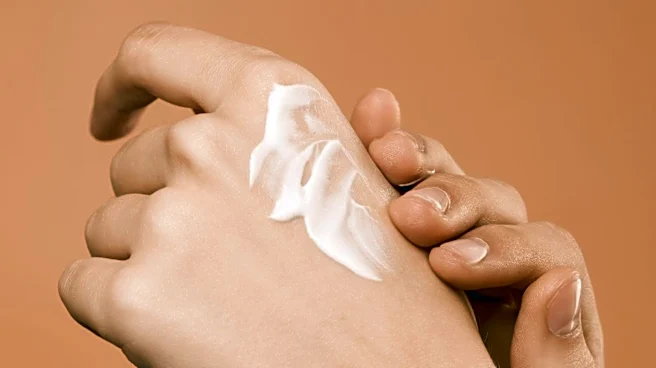
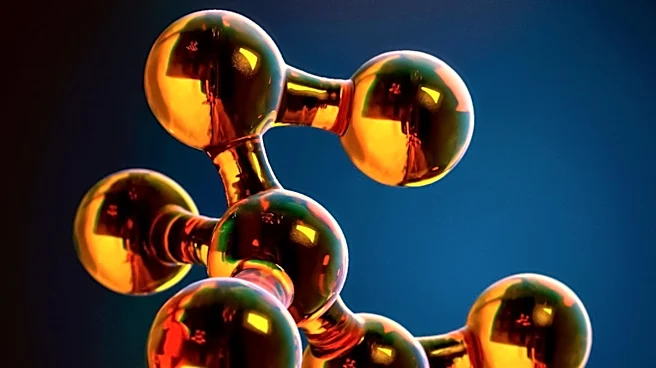
Future developments in skin longevity research are expected to investigate treatments that target skin cells to improve their long-term health. For instance, lab tests have shown that urolithin A increased mitochondrial activity in human skin cells, and a clinical trial indicated a modest reduction in wrinkle depth with a cream containing this compound. However, experts like Dr. Riaz Agha caution that these findings do not yet establish the cream's ability to slow cell aging or remove senescent cells. The trend of 'skin streaming' is likely to continue gaining popularity, promoting minimalist skincare routines. Dermatologists recommend a basic three-step routine: gentle face wash, fragrance-free moisturizer, and sunscreen. Further research will likely explore the biological mechanisms behind skin longevity and the impact of various exposome factors, potentially leading to new diagnostic tools and personalized treatment strategies.
Beyond the Headlines
The emphasis on skin longevity carries deeper implications beyond cosmetic concerns, touching upon ethical and cultural dimensions of aging. It challenges societal pressures to maintain a youthful appearance at all costs, instead promoting a healthier relationship with the aging process. By focusing on the skin's functional health, it encourages a more scientific and less superficial understanding of beauty. This paradigm shift could also lead to a re-evaluation of product claims and marketing strategies within the beauty industry, pushing for transparency and evidence-based solutions. Furthermore, the concept of the 'exposome' highlights the interconnectedness of environmental factors, lifestyle choices, and individual health, underscoring the importance of public health initiatives that address broader environmental concerns for overall well-being.