









What's Happening?
Creatrix Solutions has published an educational guide detailing the differences between red light saunas and red light therapy panels. The report aims to clarify confusion surrounding the broad use of the term 'red light' for products with varying light sources
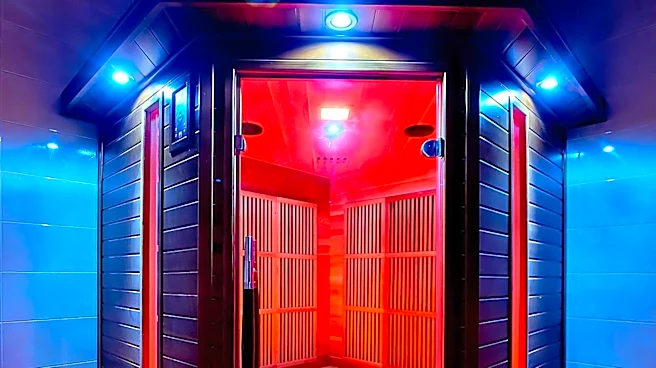
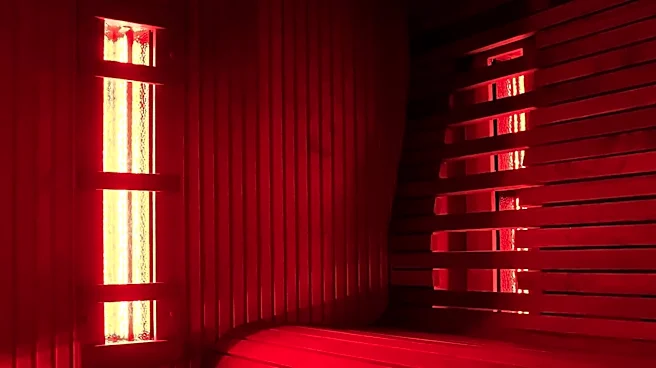
and functionalities. According to Creatrix Solutions, red light saunas, which often use incandescent lamps, generate light by heating a tungsten filament, producing a broad spectrum that includes visible red and various infrared wavelengths. A significant portion of this output is radiant heat, serving both light production and enclosure heating functions. In contrast, LED red light therapy panels utilize light-emitting diodes to produce narrow wavelength bands, typically in visible red and near-infrared. These panels convert less output into radiant heat, delivering measured light exposure with minimal warmth. The guide emphasizes that these technologies differ in light source, spectrum, heat output, and session design, and advises consumers to look beyond product names to measured output specifications.
Why It's Important?
This report is important for consumers in the U.S. wellness market, as it provides crucial distinctions between two popular but often misunderstood health technologies. The clarification offered by Creatrix Solutions can help individuals make more informed purchasing decisions, ensuring they select equipment that aligns with their specific wellness goals. For the wellness industry, this guide highlights the need for greater transparency and detailed product specifications, potentially influencing how manufacturers market and describe their red light therapy devices. By differentiating between the 'light' and 'sauna' aspects, the report addresses a common source of consumer confusion, which can lead to dissatisfaction if expectations are not met. This initiative could also encourage other companies to provide more comprehensive information, fostering a more educated consumer base and potentially driving innovation in product design to meet diverse user needs.
What's Next?
Following the release of this comparison report, consumers are likely to become more discerning when evaluating red light therapy products. This increased awareness could prompt manufacturers to enhance their product descriptions and provide more detailed technical specifications, such as documented wavelengths and irradiance, as recommended by Creatrix Solutions. The educational material may also lead to a shift in marketing strategies within the wellness industry, with a greater emphasis on the specific functionalities and benefits of each technology rather than generic 'red light' claims. Furthermore, the report could encourage industry standards or certifications to ensure product accuracy and consumer safety. As consumers become more educated, there may be a growing demand for products that clearly articulate their scientific basis and measured output, potentially influencing future product development and market trends in the U.S. wellness sector.
Beyond the Headlines
The Creatrix Solutions report delves into the deeper implications of how technology is communicated and understood within the health and wellness sector. It underscores a broader challenge in consumer markets where technical terms are often used loosely, leading to potential misinterpretations and misapplications of products. Ethically, the report promotes transparency and informed consent, empowering consumers to make choices based on scientific understanding rather than marketing hype. Culturally, the increasing interest in holistic wellness and alternative therapies, as evidenced by the popularity of red light saunas and therapy panels, reflects a societal shift towards proactive health management. This guide contributes to a more critical approach to wellness technologies, encouraging users to question and understand the mechanisms behind the benefits claimed. It highlights the importance of distinguishing between different tools for different purposes, suggesting that a 'one-size-fits-all' approach to wellness technology is often inadequate.