






What's Happening?
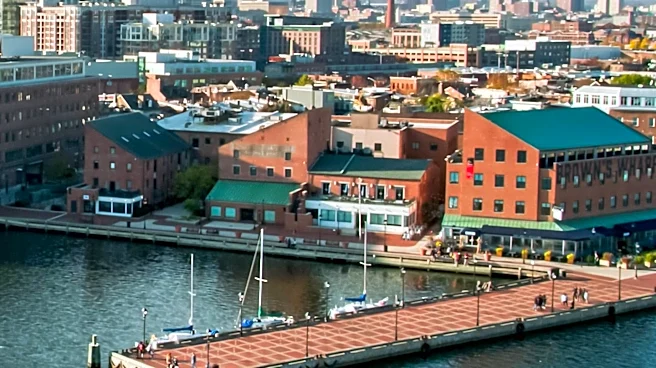
The Baltimore Development Corporation (BDC) has granted a significant tax break to P. David Bramble’s MCB Real Estate for the redevelopment of Harborplace. This designation, under the new Downtown RISE legislation, allows for a Payment in Lieu of Taxes
(PILOT) agreement that could reduce the project's property taxes by 95% for up to 25 years. The redevelopment plan includes reconfiguring Baltimore’s Inner Harbor with commercial, retail, and high-rise apartment buildings, specifically two residential towers of 32 and 35 stories. The BDC's press release did not detail the financial specifics of the tax break but stated it would support an approximately $850 million redevelopment. The project also requires about $400 million in public funding for infrastructure improvements. The new legislation grants the BDC the authority to negotiate downtown PILOTs without direct input from city agencies or public approval, requiring only a nod from the Board of Estimates, where Mayor Brandon M. Scott controls three of the five votes.
Why It's Important?
This substantial tax break is intended to incentivize private investment and jump-start the revitalization of a key area in Baltimore's Inner Harbor. Proponents argue that such incentives are necessary to attract the significant capital required for large-scale urban development projects, especially in areas deemed underutilized. The project aims to create economic opportunities, generate employment, and strengthen the city's tax base in the long term. However, the magnitude of the tax break and the process by which it was approved raise questions about transparency and accountability, particularly given the limited public and City Council oversight. The reliance on PILOTs for development has been a recurring theme in Baltimore, with past projects like Port Covington also receiving large tax incentives, sometimes with mixed results.
What's Next?
The necessary building permits for the Harborplace redevelopment are currently under review by the city, with preliminary infrastructure work and demolition of the two existing Harborplace pavilions expected to commence later this fall. While the tax break has been approved, MCB Real Estate has yet to announce its private financing plan, estimated at $600 million or more. The project's progress will depend on securing this private funding and navigating the construction phases. The BDC also announced the establishment of the Crown Cork & Seal TIF District for another redevelopment project, indicating a continued strategy of using tax incentives for urban renewal. The long-term success of these projects will be measured by their ability to deliver on promises of economic growth and community benefit.
Beyond the Headlines
The decision to grant such a significant tax break for the Harborplace redevelopment highlights the ongoing tension between stimulating economic development and ensuring equitable public benefit. The 'but for' principle, which suggests private investment wouldn't occur without tax write-offs, is central to these discussions. However, the lack of specific job or investment capital benchmarks in the new Downtown RISE legislation, combined with reduced public oversight, could lead to concerns about whether the city is getting the best return on its investment. This situation also brings to light the power dynamics within urban governance, where mayoral control over key votes can significantly influence major development decisions. The long-term implications for Baltimore's tax base and public services, as well as the potential for gentrification and displacement, will be critical considerations as the project unfolds.