



What's Happening?
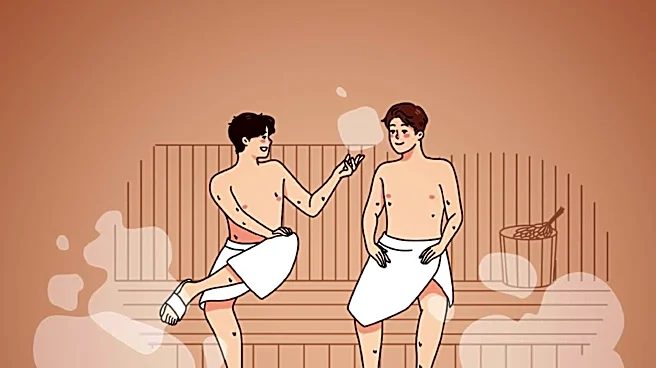
Social wellness is undergoing a transformation, moving away from traditional social events like happy hours towards group experiences centered on activities such as cold plunges, saunas, and contrast therapy. Clubs like Remedy Place are at the forefront
of this shift, offering communal cryotherapy, sauna sessions, and ice-bath classes. This emerging trend, dubbed 'soft clubbing,' integrates elements typically found in nightlife into wellness-focused environments. The aim is to foster connection and well-being through shared activities, providing an alternative to social plans that traditionally revolve around alcohol consumption. This evolution signifies a growing interest in combining social interaction with health-conscious practices, creating spaces where individuals can engage in beneficial activities together.
Why It's Important?
This shift in social wellness is important because it reflects a broader cultural movement towards prioritizing health and well-being in all aspects of life, including social interactions. For U.S. industries, this trend opens new avenues for growth in the wellness sector, potentially leading to increased investment in specialized facilities and services. Businesses that adapt to this demand for 'soft clubbing' experiences stand to gain by attracting a demographic seeking healthier social alternatives. Conversely, traditional hospitality and entertainment venues that rely heavily on alcohol sales for social gatherings might face challenges if they do not innovate to meet these evolving consumer preferences. The emphasis on shared, health-oriented activities could also lead to improved public health outcomes by promoting active lifestyles and reducing reliance on less healthy social habits.
What's Next?
The 'soft clubbing' trend is likely to expand, with more wellness clubs and even traditional gyms incorporating group cold plunges, saunas, and contrast therapy into their offerings. We can anticipate an increase in specialized social wellness venues across major U.S. cities, catering to a growing demand for these types of experiences. This could also lead to partnerships between wellness brands and event organizers to create unique social events. Furthermore, as this trend gains momentum, there may be a push for regulatory bodies to establish guidelines for these new types of social wellness facilities, ensuring safety and quality standards. The success of these models could also influence corporate wellness programs, encouraging companies to offer similar health-focused social activities for their employees.
Beyond the Headlines
Beyond the immediate commercial implications, this trend highlights a deeper societal re-evaluation of how people connect and find community. It suggests a growing desire for authentic, meaningful interactions that contribute positively to personal well-being, rather than solely focusing on entertainment. Ethically, it raises questions about accessibility, as these specialized wellness clubs can be costly, potentially creating a divide in who can participate in these 'healthier' social circles. Culturally, it signifies a move away from alcohol-centric social norms, potentially fostering a more mindful approach to social engagement. This shift could also influence urban planning, with a greater demand for spaces that can accommodate these unique group wellness activities, integrating health and social infrastructure more closely.