





What's Happening?
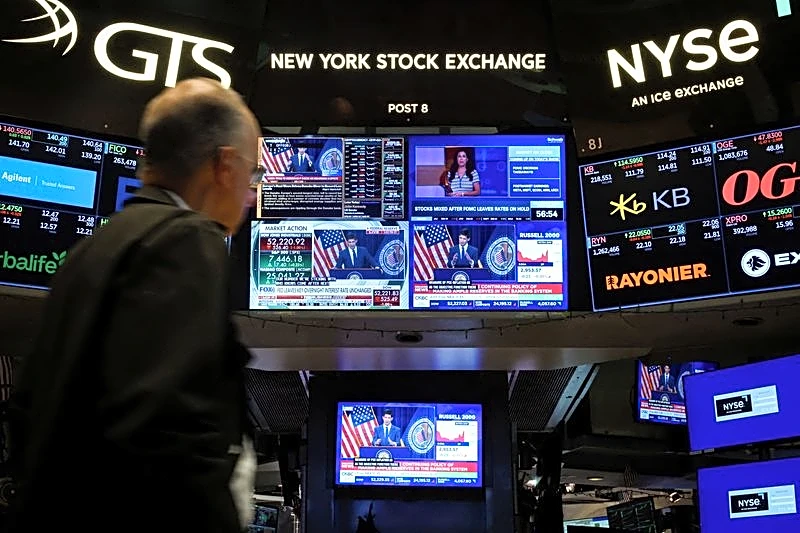
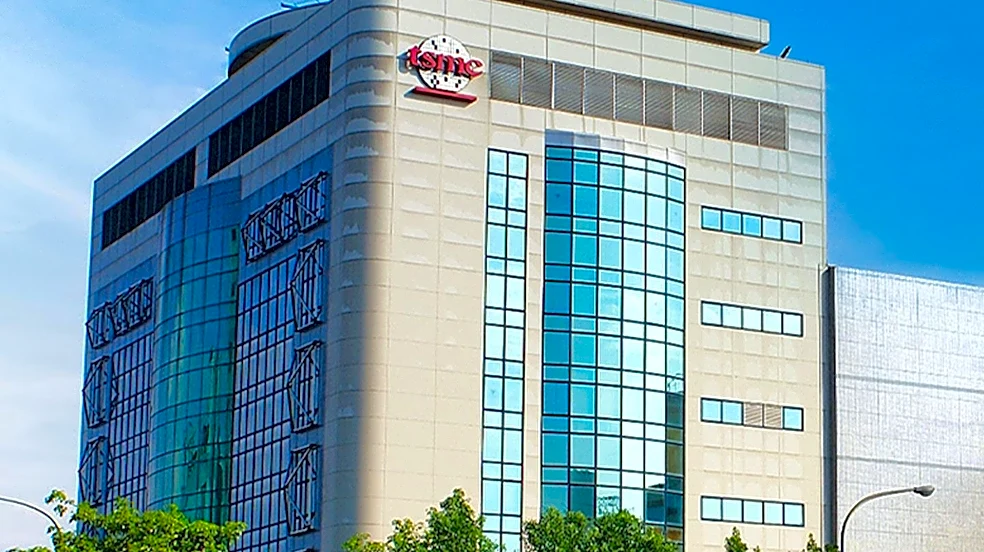
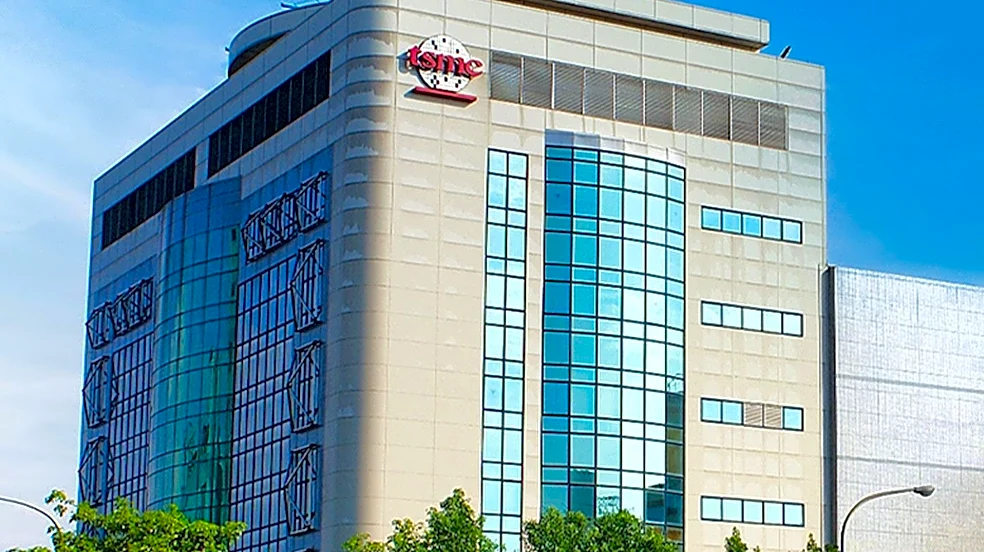
Taiwan Semiconductor Manufacturing (TSM) stock has rebounded in premarket trading, recovering from a recent chip-led slide that was triggered by a higher-than-expected consumer price index reading. The world's largest contract chip maker saw renewed investor
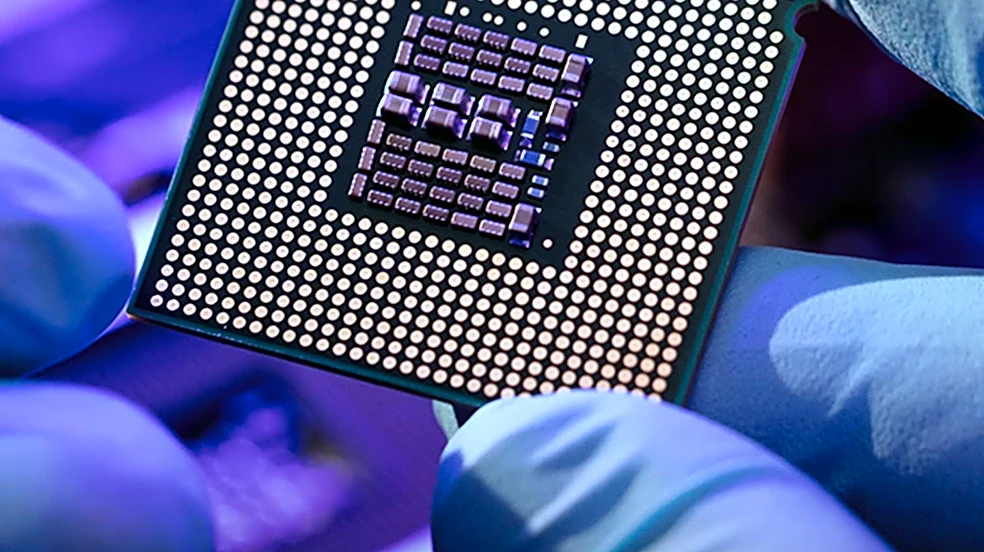
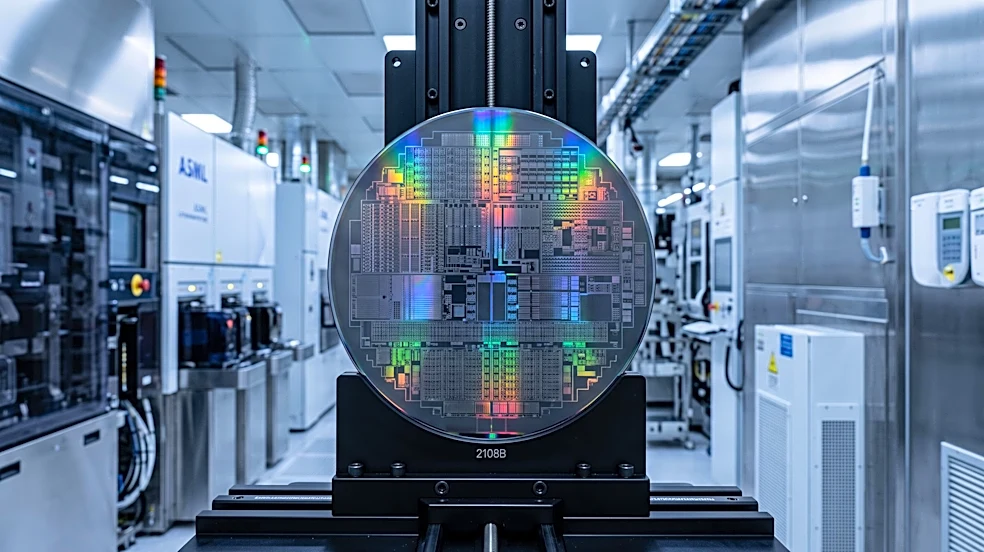
attention following its recent quarterly results, which underscored robust demand for artificial intelligence (AI) chips and confirmed plans for continued capacity expansion. TSM occupies a critical position in the semiconductor ecosystem, manufacturing the most advanced chips for leading-edge AI accelerators and processors. The company's strong performance and commitment to expanding its advanced-node and packaging capacity have provided reassurance to the broader semiconductor sector, which had been impacted by concerns over elevated borrowing costs.
Why It's Important?
TSM's rebound is a significant indicator for the U.S. technology market, particularly for companies heavily invested in AI development. As the foundational pillar of the AI hardware space, TSM's health directly reflects the demand trajectory for advanced computing. U.S. tech giants and AI innovators rely on TSM's fabrication plants to produce the cutting-edge silicon essential for their products and services. The company's continued capacity expansion signals confidence in sustained, long-term demand for AI chips, which is crucial for the ongoing growth and innovation within the U.S. AI industry. Any fluctuations in TSM's performance or capacity can have ripple effects across the entire U.S. tech supply chain, impacting everything from product development timelines to market availability and pricing of AI-powered devices and services.
What's Next?
The market will closely monitor TSM's future earnings reports and capacity expansion updates for further signals regarding the health of the AI chip market. The company's ongoing investments in advanced packaging, such as CoWoS technology, are critical as packaging has become a bottleneck in producing powerful AI accelerators. Progress in easing these bottlenecks will directly influence the supply of high-demand AI chips. Investors will also be watching broader economic data and central bank signals, as these factors can still influence market sentiment and the pace of AI infrastructure spending. The interplay between global demand for AI, TSM's production capabilities, and macroeconomic conditions will determine the trajectory of the semiconductor sector and its impact on U.S. tech companies.
Beyond the Headlines
TSM's central role in advanced chip manufacturing highlights the geopolitical significance of semiconductor production. The concentration of leading-edge fabrication in a single company, albeit a global one, underscores potential vulnerabilities in the global supply chain. This has spurred efforts by governments, including the U.S., to promote domestic chip manufacturing and diversification. The immense capital intensity required for advanced chip production also creates a high barrier to entry, solidifying TSM's market position but also raising questions about competition and innovation in the long term. The ongoing 'AI build-out' is not just a technological race but also a strategic one, with implications for national economic competitiveness and technological sovereignty.