






What's Happening?
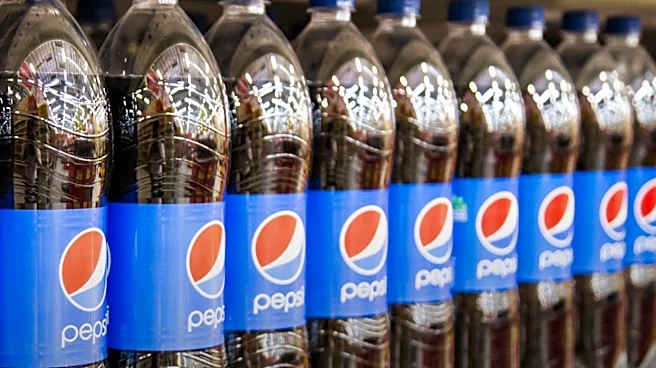
PepsiCo announced that by the end of 2025, 94% of its sourcing for high-risk commodities in its company-owned and -operated activities was deforestation-free. This achievement marks significant progress towards the company's broader goal of achieving
deforestation- and conversion-free sourcing by 2030. High-risk commodities in scope include palm oil, fiber packaging, sugarcane, soybean oil, and cocoa. The company detailed specific progress for each commodity: palm oil reached 77% deforestation-free with 100% RSPO certification, fiber packaging was 99.5% deforestation-free with full traceability to the mill, sugarcane achieved 95% deforestation-free with 97% traceability to the first aggregation point, soybean oil was 99.7% deforestation-free with 100% traceability to the refinery, and cocoa reached 59% deforestation-free with 77% traceability to the country of origin. PepsiCo attributes this progress to collaborative efforts with suppliers, industry peers, and other stakeholders across its value chain, emphasizing the complexity of systemic challenges like deforestation and natural ecosystem conversion.
Why It's Important?
This announcement from PepsiCo is important as it reflects a growing trend among major U.S. corporations to address environmental sustainability within their supply chains. As a prominent consumer goods company, PepsiCo's commitment and progress in deforestation-free sourcing can influence industry standards and consumer expectations. It signals to investors and consumers that the company is actively managing environmental risks associated with its raw material procurement, which can enhance brand reputation and potentially attract environmentally conscious consumers. The detailed reporting on specific commodities also provides transparency, allowing stakeholders to assess the effectiveness of its sustainability initiatives. This move could encourage other companies in the food and beverage sector to accelerate their own deforestation-free commitments, contributing to broader efforts to combat climate change and biodiversity loss linked to agricultural expansion.
What's Next?
PepsiCo plans to continue its efforts toward achieving its 2030 ambition for deforestation- and conversion-free sourcing. The company acknowledges that industry-aligned methodologies for conversion-free sourcing are still under development for most ingredients, and differing approaches among industry groups can lead to fluctuations in reported progress. PepsiCo will assess the scope and timing of future reporting on its conversion-free sourcing efforts. This indicates a continued focus on refining its strategies and reporting mechanisms as industry standards evolve. Future steps will likely involve further engagement with suppliers to improve traceability and implement sustainable practices, as well as continued collaboration with industry coalitions to develop harmonized standards and solutions for complex supply chain challenges.
Beyond the Headlines
Beyond the immediate environmental benefits, PepsiCo's progress highlights the intricate challenges and opportunities in transforming global supply chains. The varying levels of deforestation-free status across different commodities underscore the diverse complexities inherent in each supply chain, from the smallholder-dominated cocoa sector to the more industrialized palm oil industry. This initiative also touches upon broader ethical considerations regarding corporate responsibility for environmental impacts far removed from their direct operations. The push for 'conversion-free' sourcing, which extends beyond deforestation to include other natural ecosystems, signifies an evolving understanding of ecological preservation. This broader scope suggests a long-term shift in corporate sustainability goals, moving towards a more holistic approach to land use and biodiversity protection, potentially influencing regulatory frameworks and consumer advocacy for more comprehensive environmental stewardship.