






What's Happening?
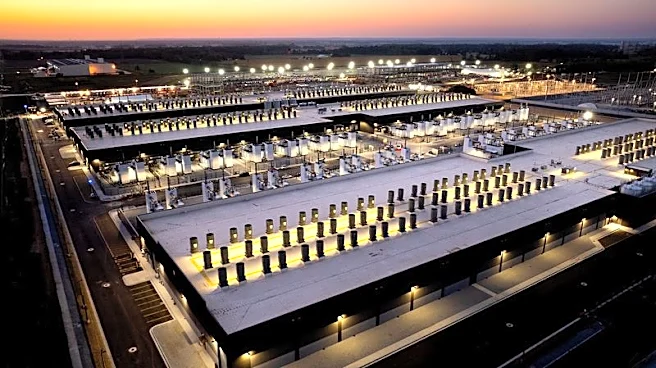
An Amazon data center currently under construction in Gilroy, California, is drawing criticism from a local transparency group and residents who allege a lack of openness from the city regarding the project's approval. Americans for Transparency, led
by Gilroy resident Georgine Scott-Codiga, has filed a formal demand of violations, claiming the land where the data center is being built allegedly violated the California Subdivision Map Act. The group is calling for an investigation into the parcel's creation, a halt to Amazon's water connection applications until the subdivision issue is resolved, and notification to Amazon that no approvals will be issued until the alleged parcel defect is corrected. City Administrator Matt Morley and City Attorney Andrew Faber have stated that after extensive review, they found no violation of the California Map Act. Mayor Greg Bozzo indicated that a 2020 lot line adjustment, which facilitated the project, did not require city council or Planning Commission involvement, thus bypassing public comment. However, Bozzo also stated that future large projects will include community engagement and environmental impact reports will go to the planning commission.
Why It's Important?
This situation highlights a recurring tension between economic development and community concerns regarding transparency and environmental impact in U.S. municipalities. The Amazon data center project, projected to generate $40 million in tax revenue for Gilroy within its first decade, represents significant economic benefits for the city. However, residents and the Americans for Transparency group are raising critical questions about the environmental implications, including the use of over 25 diesel-powered generators in a high-pollution zone and excessive water usage. The dispute also underscores the importance of public engagement in large-scale development projects, as residents feel their voices were not adequately heard during the approval process. The city's response to implement more community engagement for future projects suggests a recognition of these concerns, potentially setting a precedent for how similar developments are handled in other U.S. cities.
What's Next?
The Amazon data center project is proceeding despite ongoing local opposition. Amazon has stated that the project underwent a multiyear approval process with public notices and comment periods, and they are committed to continued engagement with residents. The city of Gilroy, in response to community feedback, plans to implement changes for future large projects, including community meetings with developers for new commercial projects 15,000 square feet or larger, and mailed notices to residents within 1,000 feet of these projects. Any project requiring an environmental impact report will now go before the planning commission, with public hearing notifications. The city council will retain final approval, and planning commission decisions can be appealed. It remains to be seen if these new measures will fully address the concerns of residents regarding the Amazon project or prevent similar disputes in the future.
Beyond the Headlines
The controversy surrounding the Amazon data center in Gilroy touches upon broader issues of local governance, corporate responsibility, and environmental justice in the United States. The claim of a California Subdivision Map Act violation, even if dismissed by city officials, points to the complex legal frameworks governing land development and the potential for perceived loopholes or administrative oversights. The environmental concerns, particularly regarding diesel generators and water usage, reflect a growing national debate about the ecological footprint of large tech infrastructure and the disproportionate impact on communities already facing higher pollution levels. This case also highlights the power dynamics between large corporations seeking to expand and local communities striving to protect their environment and ensure transparent decision-making processes. The city's commitment to increased public engagement for future projects could signify a shift towards more inclusive urban planning, potentially influencing how other U.S. cities balance economic growth with community and environmental welfare.