





What's Happening?
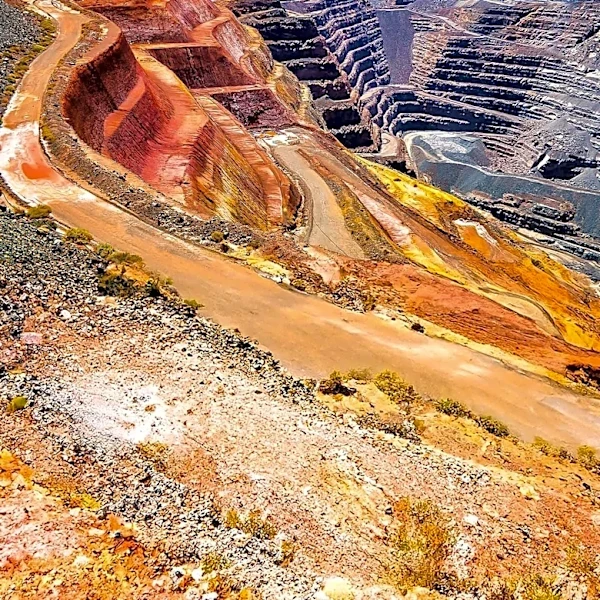
BHP is nearing completion of its Jansen potash mine in Saskatchewan, Canada, which involved drilling 89 holes and using chilled brine to freeze waterlogged sand into rock. This innovative approach allowed for the safe excavation of mine shafts through
challenging geological conditions. The project is 84% complete, with first production expected in mid-2027. The mine is set to become a significant source of potash, a critical component in fertilizers.
Why It's Important?
The Jansen mine represents a major investment in securing potash supply, crucial for global agriculture. As the U.S. relies heavily on potash imports, this project could help stabilize supply and prices. The innovative freezing technique used in the mine's construction demonstrates advancements in mining technology, potentially setting a precedent for future projects in challenging environments.
What's Next?
BHP plans to continue developing the Jansen mine, with Stage 2 of the project already underway. The company aims to reach full production capacity by 2031, contributing significantly to global potash supply. Ongoing monitoring and adjustments will ensure the mine's long-term viability and safety.
Beyond the Headlines
The Jansen project highlights the importance of innovation in resource extraction, particularly in addressing environmental and geological challenges. The success of this project could influence future mining operations, encouraging the adoption of similar techniques in other regions.