


What's Happening?
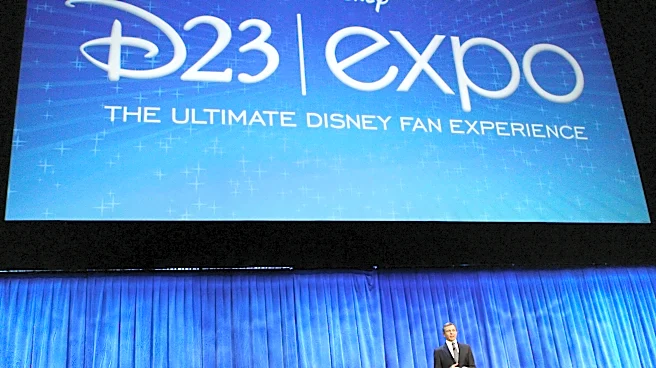
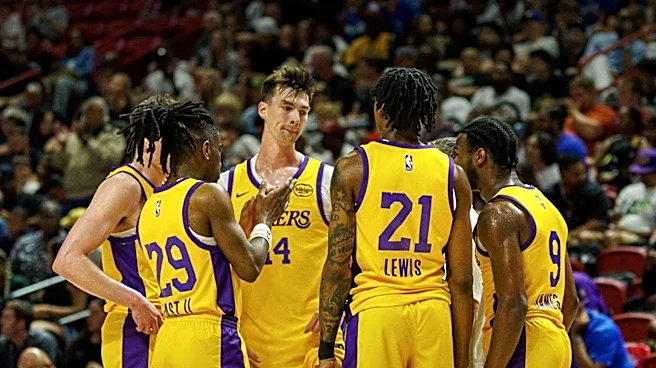
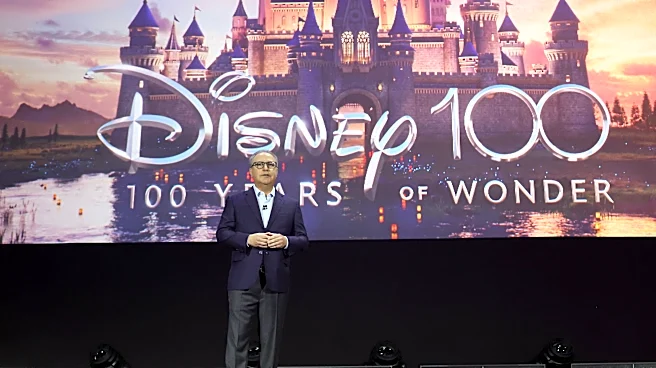
The Los Angeles Lakers' new ownership group, led by Bob Iger and Josh Kushner, is facing significant criticism from fans following the announcement of a sponsorship deal with Kalshi, a federally regulated prediction market platform. The partnership was
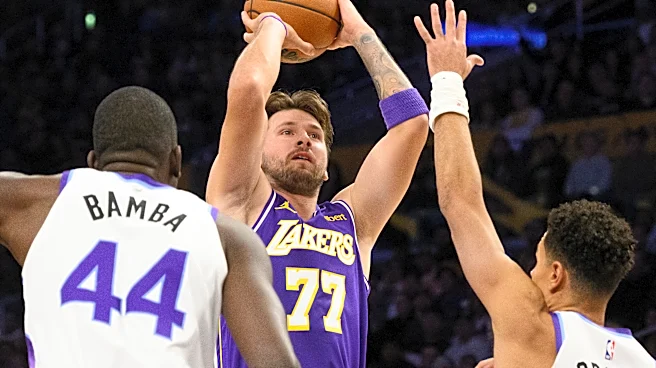
revealed during a Lakers home game against the Utah Jazz, which Iger and Kushner attended alongside governor Jeanie Buss. This deal makes the Lakers the second NBA franchise to partner with a prediction market company, following the Philadelphia 76ers' agreement with Kalshi. Fans have expressed strong disapproval, viewing the partnership similarly to traditional sports betting, especially amid heightened sensitivity around gambling in the NBA and ongoing legal challenges against prediction markets. Los Angeles Lakers President and Chief Business Officer Lon Rosen stated the partnership aims to engage fans and strengthen their connection to the game, while Kalshi Head of Sports Partnerships Adam Barrick called it an "incredible milestone."
Why It's Important?
This development is important because it highlights the growing tension between professional sports leagues' pursuit of new revenue streams and fan sentiment regarding gambling-related sponsorships. The NBA, in particular, has been navigating a complex landscape concerning prediction markets and sports betting, with previous controversies such as Giannis Antetokounmpo's equity stake in Kalshi raising conflict-of-interest questions. While Kalshi operates as a federally regulated financial exchange, fans perceive it as akin to sports betting, leading to concerns about the integrity of the game and the potential normalization of gambling within the sport. The backlash against the Lakers' ownership group and even NBA Commissioner Adam Silver indicates a significant segment of the fanbase is wary of these partnerships, suggesting that the financial benefits might come at the cost of fan trust and loyalty. This situation could influence how other sports franchises and leagues approach similar sponsorship opportunities in the future.
What's Next?
The immediate future will likely see continued fan discussion and potential protests regarding the Lakers' partnership with Kalshi. The NBA and its teams may need to address these concerns more directly, possibly by clarifying the distinctions between prediction markets and traditional sports betting, or by implementing stricter guidelines for such sponsorships. Other NBA franchises considering similar deals will likely monitor the Lakers' situation closely to gauge the potential impact on their own fan bases and brand image. Furthermore, the ongoing legal challenges against prediction markets could influence the longevity and nature of these partnerships. The league's leadership, including Commissioner Adam Silver, who previously defended Antetokounmpo's investment in Kalshi and signed a formal league partnership, may face renewed pressure to re-evaluate the NBA's stance on these types of financial engagements.
Beyond the Headlines
Beyond the immediate fan reaction, this situation touches upon broader ethical and regulatory questions surrounding the convergence of sports and financial markets. The distinction between prediction markets, which are federally regulated financial exchanges, and traditional sports betting, which faces different regulatory frameworks, is often blurred in the public's perception. This blurring can lead to public distrust, especially when high-profile sports entities become involved. The controversy also highlights the evolving nature of sports monetization, where teams are increasingly looking beyond traditional sponsorships to digital and financial platforms. This trend raises questions about the long-term cultural impact on sports, particularly concerning the potential for increased gambling addiction and the erosion of the 'pure' sporting experience. The NBA's navigation of these issues could set a precedent for other major sports leagues in the U.S., influencing how they balance financial growth with public perception and ethical responsibilities.