





What's Happening?
A significant portion of U.S. household waste, specifically 28.1% according to the EPA, consists of containers and packaging, with kitchens being a major contributor. Many of these items, such as coffee pods, single-serve sachets, plastic film, and foil
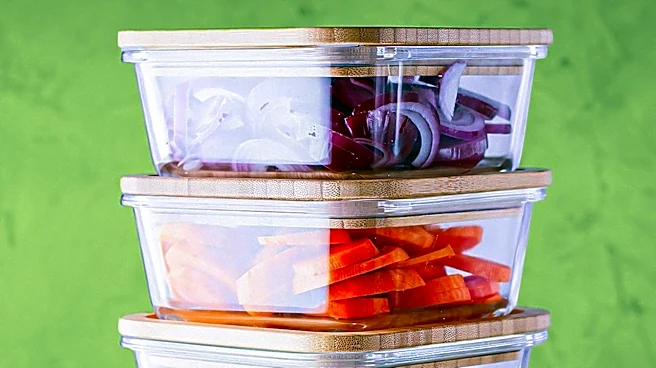
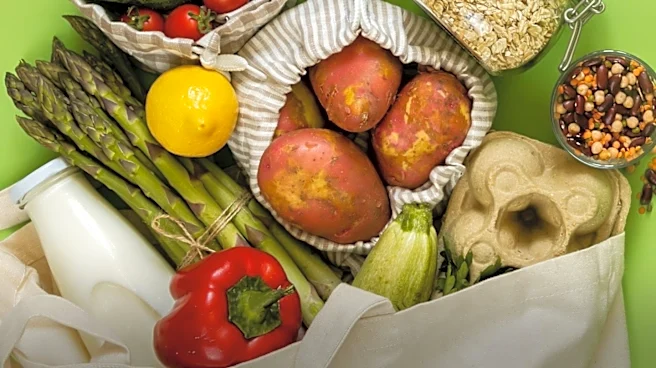
pouches, are often avoidable. The article highlights that coffee pods alone contribute an estimated 576,000 metric tons of waste globally each year, with little being recycled due to their size and material diversity. To combat this, simple zero-waste pantry swaps are recommended, focusing on reducing packaging rather than overhauling an entire lifestyle. Key strategies include purchasing bulk items like coffee, rice, oats, flour, sugar, pasta, and beans, and storing them in reusable jars. Additionally, replacing single-use kitchen extras with reusable alternatives, such as beeswax or silicone wraps instead of cling film, cloth bags instead of plastic zip bags, and washable cloths instead of paper towels, can significantly cut down on waste.
Why It's Important?
The prevalence of packaging waste in U.S. households has substantial environmental and economic implications. Reducing this waste through zero-waste pantry practices can lessen the burden on landfills, decrease pollution, and conserve natural resources used in packaging production. Economically, buying in bulk often translates to lower costs per serving for consumers, offering a financial incentive for sustainable choices. Furthermore, by minimizing the demand for single-use packaging, consumers can influence manufacturers to adopt more sustainable packaging solutions. This shift also addresses the inefficiency of recycling systems, which often struggle with small, multi-material packaging, leading to more waste being landfilled. Embracing these swaps empowers individuals to make tangible contributions to environmental protection and promotes a more circular economy at the household level.
What's Next?
The article suggests a gradual approach to adopting zero-waste pantry practices, starting with the most heavily used items like coffee. Consumers are encouraged to make one swap at a time and sustain it for 30 days before moving to the next. This incremental method aims to prevent overwhelm and ensure long-term adherence to sustainable habits. The focus will be on making reusable options more convenient and accessible than disposable ones, and organizing pantries to prevent food waste. The broader impact could see an increase in demand for bulk-buying options and unpackaged goods in grocery stores, potentially driving retailers and food producers to offer more sustainable choices. Continued education and awareness about the environmental impact of packaging will likely encourage more households to adopt these practices.
Beyond the Headlines
The movement towards zero-waste pantries extends beyond mere waste reduction; it represents a fundamental shift in consumer mindset and consumption patterns. It challenges the convenience-driven culture that has led to excessive packaging and highlights the ethical responsibility of individuals in environmental stewardship. This approach encourages a deeper connection to the products consumed, promoting mindful purchasing and a greater appreciation for resource efficiency. The emphasis on reusing existing containers and making gradual changes also democratizes sustainability, making it accessible to a wider audience rather than an exclusive lifestyle. Ultimately, widespread adoption of these practices could foster a more resilient and sustainable food system, reducing reliance on disposable goods and promoting a circular economy from the ground up.