




What's Happening?
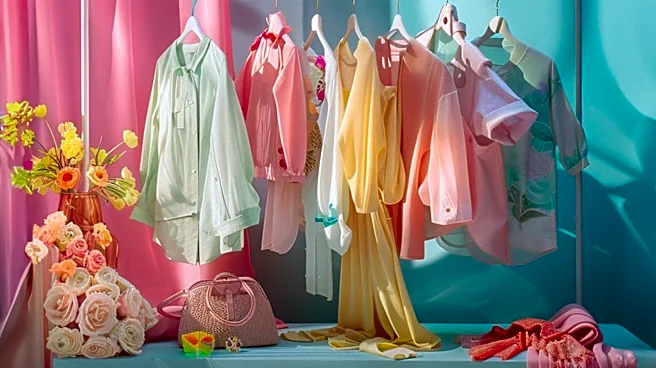
The fashion industry is witnessing a significant shift as consumers increasingly prioritize accessories to enhance their summer wardrobes. According to market research, the global fashion accessories market is projected to exceed $1 trillion by 2030.
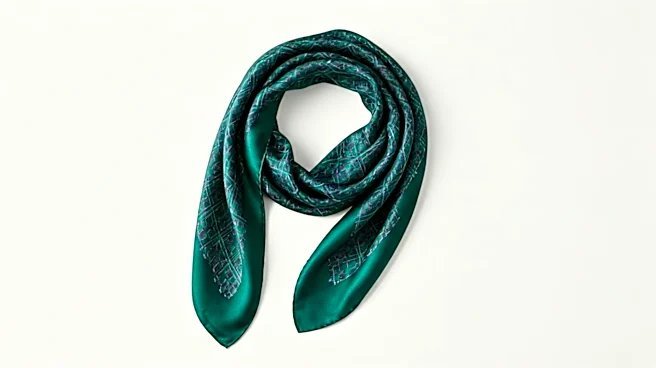
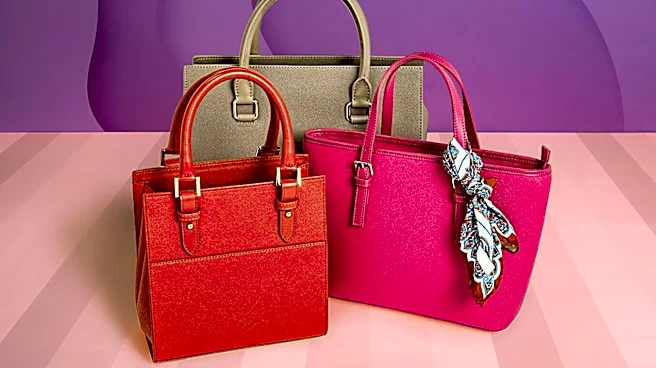
This trend is driven by consumers seeking affordable ways to update their wardrobes without purchasing entirely new clothing. Accessories such as oversized straw hats, statement sunglasses, layered gold necklaces, and woven tote bags are gaining popularity for their ability to transform simple outfits into stylish ensembles. Fashion experts note that social media platforms have accelerated these trends, giving classic pieces renewed relevance each season. The emphasis on accessories reflects a broader change in shopping habits, with consumers investing more in versatile items that offer both style and practicality.
Why It's Important?
The growing focus on accessories in the fashion industry highlights a shift in consumer behavior towards more sustainable and cost-effective fashion choices. By investing in accessories, consumers can refresh their wardrobes without the environmental impact of fast fashion. This trend also benefits the fashion industry by opening new revenue streams and encouraging innovation in accessory design. As consumers become more conscious of their purchasing decisions, brands that offer high-quality, versatile accessories are likely to gain a competitive edge. Additionally, the emphasis on accessories aligns with the increasing influence of social media, where fashion influencers and stylists showcase how small details can significantly impact overall style. This shift could lead to a more sustainable fashion industry, with consumers prioritizing quality over quantity.
What's Next?
As the demand for fashion accessories continues to grow, brands are expected to expand their offerings to meet consumer preferences. This could include introducing new materials, designs, and technologies to enhance the functionality and appeal of accessories. Retailers may also focus on creating more personalized shopping experiences, leveraging data analytics to understand consumer preferences and tailor their offerings accordingly. Additionally, the rise of e-commerce and social media platforms will likely play a crucial role in shaping future trends, as consumers increasingly rely on online channels for fashion inspiration and purchases. The fashion industry may also see increased collaboration between brands and influencers to promote accessory trends and reach wider audiences.
Beyond the Headlines
The emphasis on accessories in fashion reflects broader cultural and economic shifts. As consumers become more environmentally conscious, the demand for sustainable fashion options is likely to grow. Accessories offer a way to participate in fashion trends without contributing to the waste associated with fast fashion. This trend also highlights the role of social media in shaping consumer behavior, as platforms like Instagram and TikTok influence fashion choices and drive demand for specific styles. The focus on accessories may also lead to a reevaluation of traditional fashion cycles, with consumers seeking timeless pieces that offer long-term value. This could encourage brands to prioritize quality and craftsmanship, ultimately leading to a more sustainable and ethical fashion industry.