





What's Happening?
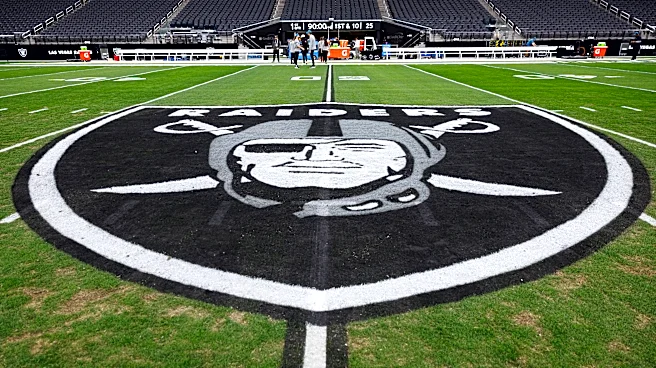
Mark Davis, the sole owner of the Las Vegas Raiders, is actively reshaping the franchise's identity and operational strategy. Having inherited the team after his father Al Davis's passing in 2011, Davis has overseen the team's relocation from Oakland
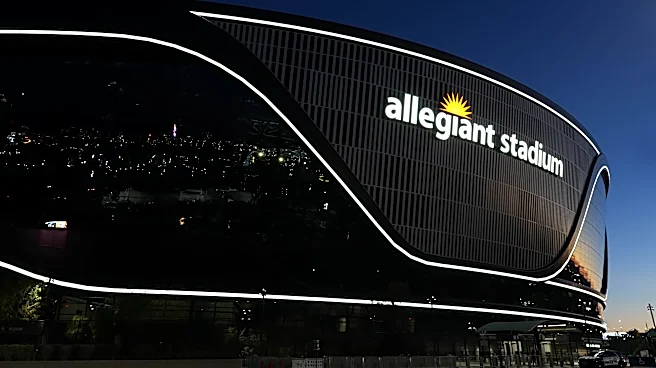
to Los Angeles and ultimately to Las Vegas. This move was driven by persistent stadium disputes and financial pressures in Oakland, leading to the ambitious project of Allegiant Stadium in Las Vegas. The transition involved complex negotiations, including a public-private partnership for the stadium's construction, which positioned Davis as a key figure in a significant urban development project. The Raiders' move to Las Vegas represents a cultural reset, with the team embracing the city's entertainment ethos and curating a new narrative that blends athletic excellence with the spectacle of Las Vegas. Davis's decisions impact the team's on-field performance, financial health, and its relationship with both its historical and new fanbases.
Why It's Important?
The transformation of the Las Vegas Raiders under Mark Davis holds significant importance for the NFL and the city of Las Vegas. For the NFL, it demonstrates the evolving dynamics of franchise ownership, where owners are increasingly involved in large-scale urban development and brand repositioning. The success of Allegiant Stadium as a year-round venue for sports and entertainment could set a precedent for future public-private partnerships in professional sports. For Las Vegas, the Raiders' presence has cemented its status as a major sports destination, diversifying its economy beyond tourism and gambling. The team's efforts to integrate into the local community while retaining its historical fanbase highlight the challenges and opportunities of sports franchise relocations. The financial mechanics of operating within a public-private stadium framework also offer insights into revenue sharing models and the commercial potential of new markets, influencing how other teams might approach stadium deals and market expansion.
What's Next?
Looking ahead, Mark Davis's legacy will be defined by the Raiders' sustained success both on and off the field in Las Vegas. The immediate focus will be on ensuring the team's on-field performance matches the ambition of its off-field developments, aiming to become consistent contenders for the Lombardi Trophy. This involves strategic decisions regarding player contracts, draft picks, and coaching staff. The utilization of Allegiant Stadium for non-football events will also be crucial for its long-term financial success and its role as an economic driver for the city. The franchise will continue its efforts to cultivate a strong, dedicated fanbase in Las Vegas while maintaining connections with its historical supporters. The ongoing balance between maximizing revenue and fulfilling obligations within the public-private partnership will remain a key operational challenge, with potential implications for future stadium developments across the league.
Beyond the Headlines
The Raiders' journey under Mark Davis extends beyond typical sports headlines, touching upon deeper implications of urban development, cultural integration, and the evolving nature of sports fandom. The relocation to Las Vegas represents a bold gamble, challenging traditional notions of team loyalty and community ties. It raises questions about the 'soul' of a franchise when it moves across states and the extent to which a team can adapt its identity to a new city without alienating its historical roots. The emphasis on entertainment and spectacle in Las Vegas also reflects a broader trend in professional sports to offer an immersive experience beyond the game itself. This shift could influence how sports franchises market themselves and engage with audiences in an increasingly competitive entertainment landscape, potentially leading to more elaborate gameday experiences and integrated entertainment offerings in other sports venues.