



What's Happening?
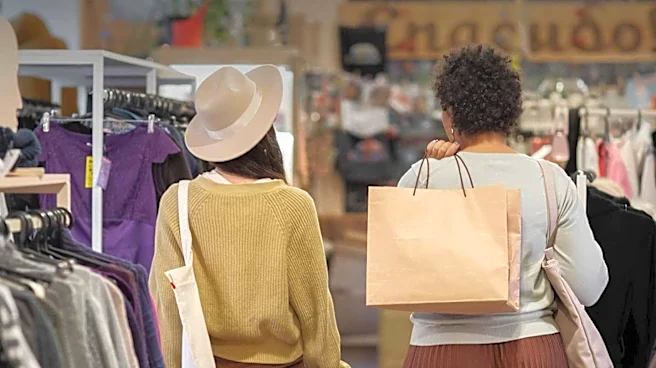
Nostalgic fashion, particularly styles from the 1990s and early 2000s, is experiencing a significant resurgence in popularity across the U.S. market. This trend is primarily fueled by Gen Z and millennial consumers who are actively seeking out and purchasing
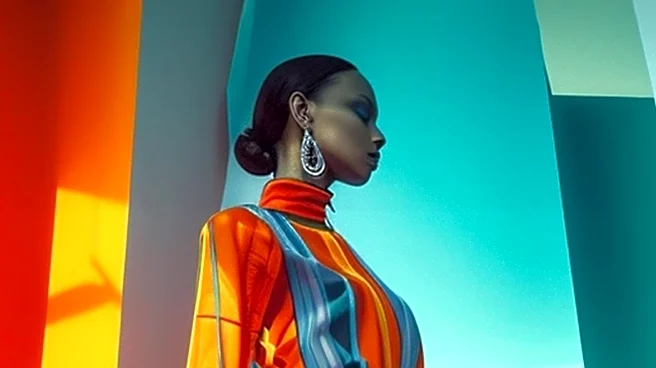
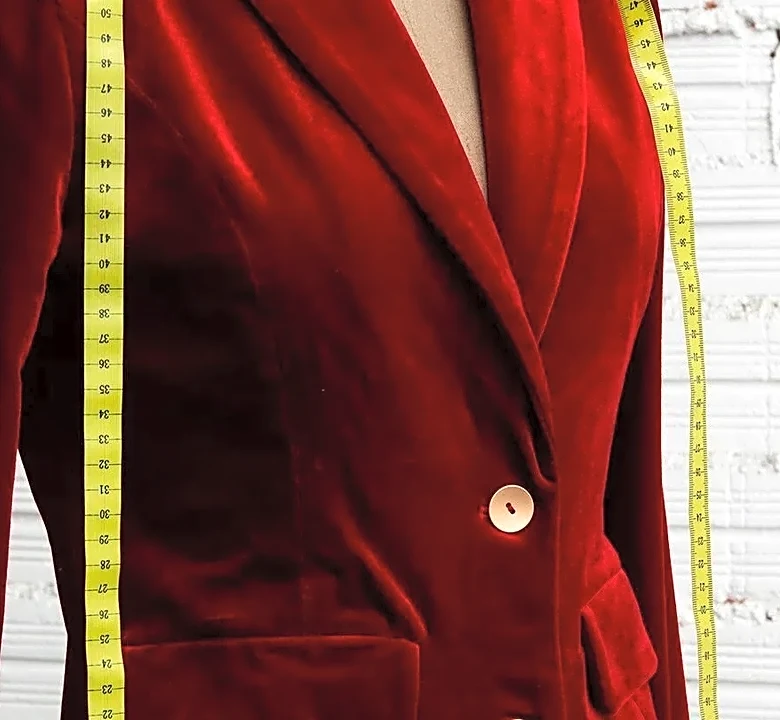
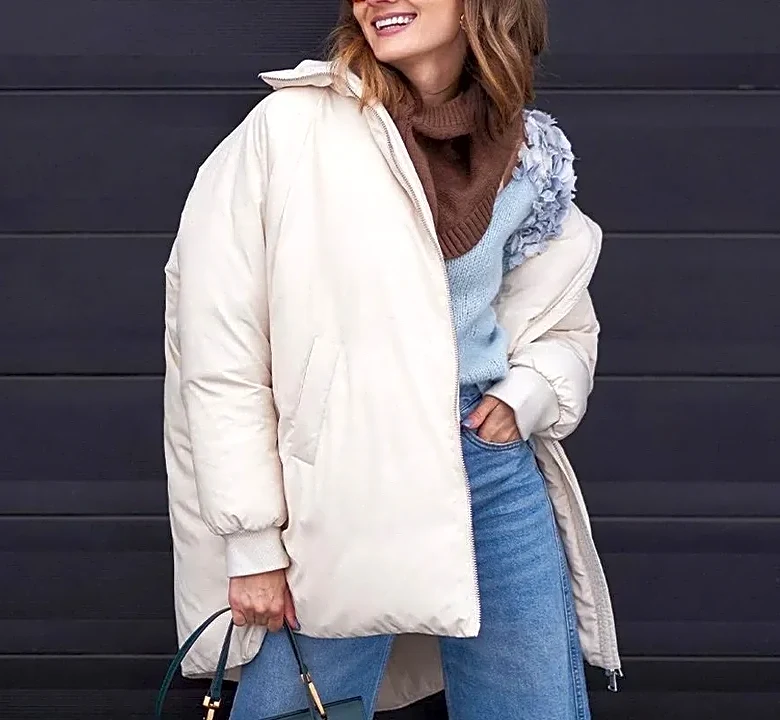
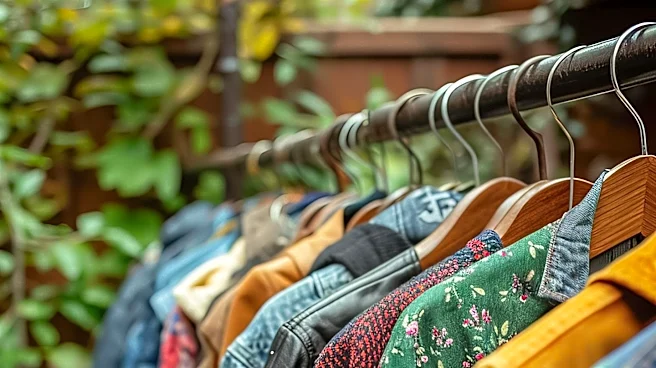
vintage clothing. Celebrities are also contributing to this phenomenon by showcasing retro styles from the 80s and 90s on social media platforms, garnering considerable attention and positive feedback from their followers. The demand for vintage items extends beyond specific decades, with 1970s bohemian and 1980s power dressing remaining consistently popular. Designer vintage pieces from any era, once authenticated, command premium prices. For those selling vintage clothing, it is crucial to provide precise measurements rather than relying on original size labels, as sizing standards have evolved significantly over time. Marketing efforts are most effective on platforms like Instagram, TikTok, and Pinterest, utilizing trend-based tags such as 'dark academia,' 'cottagecore,' and 'Y2K fashion' to connect with buyers. Visual presentation, including flat lay and mannequin photography, is recommended to effectively showcase vintage items.
Why It's Important?
The dominance of nostalgic fashion trends has several important implications for the U.S. retail and fashion industries. It highlights a significant shift in consumer preferences, particularly among younger demographics, towards sustainable and unique clothing options. This trend supports the growth of the vintage and second-hand clothing market, creating new business opportunities for small enterprises and individual sellers on platforms like Etsy. The emphasis on precise measurements for vintage clothing underscores the need for greater transparency and detailed product information in online retail, potentially influencing how all clothing retailers present their products. Furthermore, the strong influence of social media and celebrity endorsements in driving these trends demonstrates the evolving landscape of fashion marketing, where authentic, personality-driven content often outperforms traditional advertising. This shift also reflects a broader cultural movement where younger generations are reinterpreting past aesthetics and making them their own, rather than simply replicating them, which can lead to innovative and diverse fashion expressions.
What's Next?
The continued growth of nostalgic fashion suggests that retailers and brands will likely further integrate vintage-inspired designs into their new collections. We can anticipate an increase in collaborations between contemporary brands and vintage sellers or designers specializing in retro aesthetics. Social media platforms will remain crucial for identifying and amplifying emerging nostalgic trends, prompting businesses to invest more in influencer marketing and user-generated content strategies. Educational resources for consumers on how to accurately measure and assess vintage clothing may become more prevalent to enhance the online shopping experience. Additionally, the authentication of designer vintage items will become increasingly important, potentially leading to the development of more robust verification services. The focus on sustainability inherent in vintage shopping may also push the broader fashion industry towards more eco-friendly production and consumption practices, as consumers continue to prioritize ethical considerations in their purchasing decisions.
Beyond the Headlines
The widespread embrace of nostalgic fashion reflects deeper cultural and psychological undercurrents within U.S. society. For Gen Z and millennials, this trend may offer a sense of comfort and escapism, providing a connection to perceived simpler times amidst contemporary complexities. It also speaks to a growing desire for individuality and authenticity, as vintage pieces often offer unique styles that stand apart from mass-produced fast fashion. Ethically, the rise of vintage clothing promotes sustainability by extending the lifecycle of garments and reducing textile waste, aligning with broader environmental consciousness. This movement challenges the traditional fashion cycle of constant newness, fostering a more circular economy within the industry. Culturally, it signifies a re-evaluation and appreciation of past aesthetics, demonstrating how historical styles can be reinterpreted and integrated into modern identities. The phenomenon also highlights the power of digital platforms in shaping cultural tastes and consumer behavior, creating a dynamic interplay between historical trends and contemporary digital engagement.