



What's Happening?
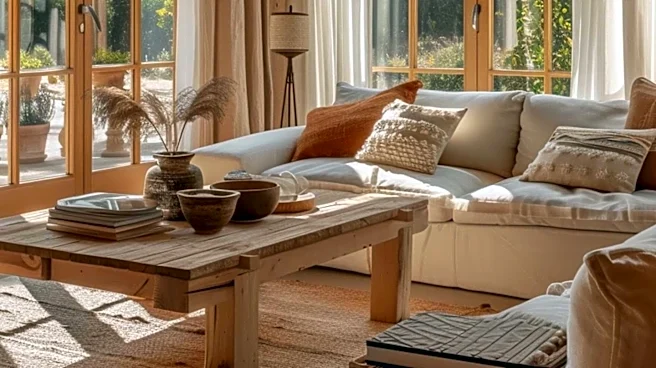
The rustic aesthetic is characterized by a blend of natural elements and cozy interiors, incorporating features such as homemade jams, cast iron baths, and natural ponds. This design philosophy extends to modern farmhouse plans, which successfully merge
rustic charm with contemporary sleekness. Key decorative elements often include wood pendant chandeliers, pottery, and farmhouse-style wall art. The aesthetic also emphasizes outdoor cooking and designs inspired by nature. For instance, wood pendant chandeliers are highlighted as light fixtures that integrate wooden components, providing a warm, rustic feel. These fixtures are seen as a natural and sustainable alternative to traditional chandeliers, fitting well into evolving interior design trends. The SL-19 Rustic Wood Grain Hybrid FRP Door is another example, offering the appearance of a rustic wood door with realistic oak grain detail, while leveraging modern engineering for durability and low maintenance. This door combines traditional styling with advanced materials, making it suitable for various high-traffic environments.
Why It's Important?
The growing popularity of the rustic aesthetic reflects a broader societal shift towards natural, sustainable, and comforting environments in home and commercial design. This trend impacts various U.S. industries, including interior design, furniture manufacturing, and construction, as demand for rustic-inspired products and materials increases. For consumers, embracing this aesthetic can lead to more inviting and personalized living spaces that prioritize warmth and connection to nature. Businesses that adapt to this trend by offering products like wood pendant lighting or rustic-style doors can gain a competitive edge. The emphasis on durability and low maintenance, as seen in hybrid FRP doors, also appeals to commercial sectors like schools, universities, and healthcare facilities, seeking long-lasting and aesthetically pleasing solutions. This movement signifies a preference for authenticity and character over overly polished or sterile designs, influencing purchasing decisions and market offerings across multiple sectors.
What's Next?
The continued evolution of the rustic aesthetic is likely to see further integration of sustainable practices and materials. Manufacturers may increasingly focus on sourcing reclaimed wood, recycled metals, and eco-friendly finishes to meet consumer demand for environmentally conscious products. We can anticipate more innovations in hybrid materials that offer the look and feel of natural elements with enhanced durability and reduced maintenance, similar to the rustic wood grain FRP doors. Interior designers will continue to explore new ways to blend rustic elements with other styles, such as Japandi (Japanese minimalism with Scandinavian functionality), to create unique and harmonious spaces. The market may also see a rise in DIY and artisanal products that allow individuals to incorporate personalized rustic touches into their homes. Furthermore, as outdoor living spaces gain prominence, the rustic aesthetic will likely expand to include more integrated outdoor kitchens, natural landscaping, and nature-inspired decor, blurring the lines between indoor and outdoor environments.
Beyond the Headlines
The rustic aesthetic taps into a deeper cultural yearning for simplicity, authenticity, and a connection to nature in an increasingly digital and fast-paced world. This trend can be seen as a counter-movement to hyper-modernization, offering a sense of grounding and nostalgia. Ethically, the emphasis on natural and sustainable materials encourages responsible consumption and production, pushing industries towards more eco-friendly practices. Legally, this could lead to increased regulations or certifications for sustainable sourcing and manufacturing in the design and construction sectors. Culturally, the rustic aesthetic fosters a sense of comfort and well-being, promoting spaces that encourage relaxation and mindfulness. It also reflects a broader appreciation for craftsmanship and handmade items, potentially revitalizing traditional artisan skills. Long-term, this shift could influence urban planning, with a greater demand for green spaces and natural elements integrated into city environments, fostering a more holistic approach to living and design.