



What's Happening?
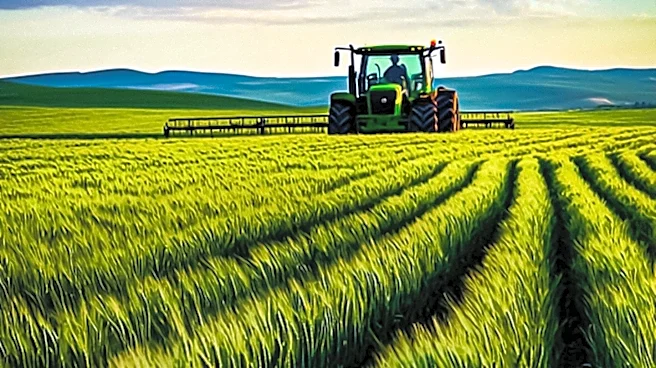
The Ministry of Agriculture and Food in Belarus has released preliminary results for the outgoing agricultural year, with Nikolai Leshik, head of the main department of crop production, reporting that farmers have not only maintained the production levels
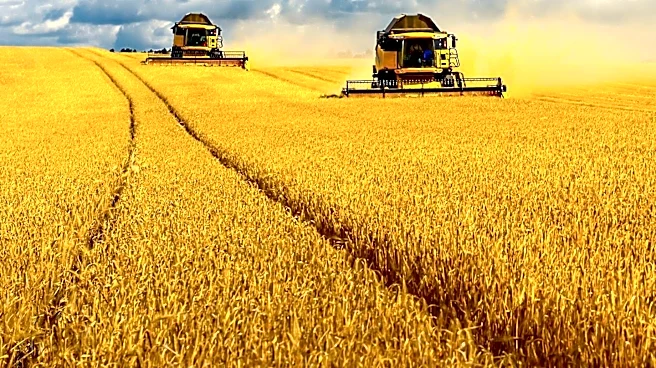
of 2025 but have also achieved growth in nearly all areas. The Ministry anticipates a record grain harvest in 2026, including oilseeds like rapeseed, with 1.5 million tons of oil seeds already reached. A strong corn harvest is also expected, and the target of over five million tons for sugar beet root crops has been maintained, ensuring sufficient supply for processing and export. Flax production continues to be a strategic focus, with rising prices making it a profitable crop. Food security remains a top priority, with the government annually setting state orders for essential products such as grain for bread, beets for sugar, and rapeseed for oil. This year, a 'borscht set' of vegetables (beets, carrots, cabbage, onions, fresh cucumbers, and tomatoes) was also included in the state order to ensure off-season availability. The state strategy aims to increase specific product types, strengthen food independence, and promote import substitution.
Why It's Important?
This announcement from the Belarusian Ministry of Agriculture and Food is significant as it underscores the country's commitment to bolstering its agricultural sector, ensuring food security, and reducing reliance on imports. A record grain harvest, coupled with strong performance in other key crops like oilseeds, sugar beets, and flax, indicates a robust agricultural economy that can meet domestic demand and potentially increase export revenues. This focus on food independence and import substitution is particularly critical in the current geopolitical climate, where global supply chains can be vulnerable to disruptions. For Belarus, achieving self-sufficiency in essential food items provides economic stability and reduces external dependencies. The strategic emphasis on flax, a crop with rising prices, also highlights an effort to capitalize on global market trends and diversify agricultural income. This sustained growth in agriculture contributes to the overall economic resilience of Belarus and its ability to withstand external pressures, making it a key component of national policy.
What's Next?
The Belarusian Ministry of Agriculture and Food will likely continue to implement policies aimed at further increasing agricultural output and strengthening food independence. This includes ongoing support for farmers, investment in technical and material equipment, and the allocation of financial resources for crop cultivation. The success of the 'borscht set' initiative suggests that the government will continue to prioritize the availability of fresh produce throughout the year, potentially expanding the range of state-ordered vegetables. Efforts to boost flax production will likely intensify, given its strategic importance and profitability. The focus on import substitution will drive further domestic production across various agricultural sectors, potentially leading to reduced reliance on foreign agricultural products. The anticipated record harvest in 2026 will likely be followed by efforts to optimize storage, processing, and export channels to maximize economic benefits. The government will also continue to monitor global agricultural markets to identify new opportunities for export and further enhance the profitability of its agricultural sector.
Beyond the Headlines
The emphasis on food security and import substitution in Belarus reflects a broader global trend among nations to protect their domestic food supplies and reduce vulnerability to international market fluctuations and geopolitical tensions. This strategy, while ensuring national self-sufficiency, can also have implications for international trade relations, potentially leading to reduced demand for agricultural imports from other countries. The success of Belarus in achieving record harvests and strengthening its agricultural sector could serve as a model for other nations seeking to enhance their food independence. However, it also raises questions about the environmental impact of intensive agriculture and the sustainability of such practices in the long term. The government's direct involvement in setting state orders for specific crops highlights a centrally planned approach to agriculture, which can ensure stability but may also limit market-driven innovation. This approach underscores the strategic importance of agriculture not just as an economic sector, but as a critical component of national security and sovereignty.