






What's Happening?
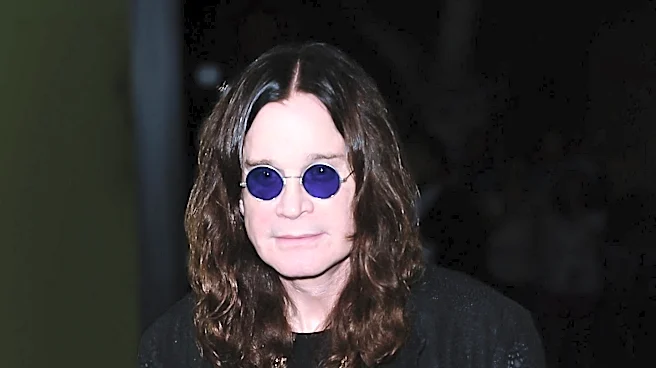
Jack Osbourne has publicly accepted blame for the negative fan reaction to the announcement of an AI-driven digital avatar of his father, Ozzy Osbourne. He stated that the backlash was his own fault for not adequately explaining the project's nature.
Osbourne clarified that the digital avatar is built using a closed AI system, meaning it is not connected to the internet. The family is meticulously constructing a database that exclusively contains words spoken by Ozzy or accurately written about him. This initiative aims to create a 'living performance' rather than a mere rendering, ensuring the family maintains ownership and control over Ozzy's digital imprint. Osbourne emphasized that the project is not intended for commercial exploitation, such as selling cell phones, but rather to preserve his father's legacy and make him accessible to fans in a controlled manner. He noted that similar projects are being undertaken by the estates of other iconic artists like Bob Marley and Michael Jackson.
Why It's Important?
This development highlights the growing intersection of celebrity legacy and advanced artificial intelligence, particularly concerning intellectual property rights and fan engagement. The Osbourne family's proactive approach to creating and controlling Ozzy's digital avatar sets a precedent for how artists' estates might manage their digital presence in the future. By owning the digital IP and image, they aim to prevent unauthorized or inappropriate use of Ozzy's likeness. This move also reflects a broader trend in the entertainment industry where AI is being explored as a tool for preserving and extending the reach of artists' work beyond their active performing years. The initial fan backlash underscores the public's sensitivity to how AI is used in relation to beloved figures, particularly concerns about authenticity and potential commercialization. The family's emphasis on a 'closed AI' system addresses privacy and control concerns, differentiating their project from more open-ended AI applications.
What's Next?
The Osbourne family plans to continue developing the Ozzy Osbourne AI avatar, focusing on building a comprehensive and accurate database of his words and persona. Jack Osbourne's clarification aims to mitigate ongoing fan concerns and foster a better understanding of the project's intent. As the technology evolves, it is likely that more details about the avatar's specific applications and how fans will interact with it will be revealed. This project could influence other celebrity estates to pursue similar digital preservation strategies, potentially leading to a new standard for managing posthumous artistic legacies. The entertainment industry will likely observe the public reception and practical implementation of 'Digital Ozzy' as a case study for future AI-driven ventures involving iconic figures. Further discussions around ethical guidelines for AI in entertainment, particularly concerning deceased artists, may also emerge as these technologies become more prevalent.
Beyond the Headlines
The creation of Ozzy Osbourne's AI avatar delves into profound questions about identity, legacy, and the nature of performance in the digital age. It challenges traditional notions of what it means for an artist to 'exist' and interact with their audience. The family's desire to ensure Ozzy is 'never forgotten' through this technology speaks to a deeper human need for immortality and the preservation of cultural icons. Ethically, the project navigates the delicate balance between honoring an artist's past contributions and creating new, AI-generated content. The emphasis on using only authenticated source material and maintaining family control is crucial in addressing concerns about authenticity and potential misrepresentation. This initiative could also spark broader conversations about the legal frameworks surrounding digital likeness rights and intellectual property in an era where AI can convincingly replicate human characteristics. The 'closed AI' approach might become a model for other projects seeking to maintain integrity and control in the rapidly advancing field of artificial intelligence.