






What's Happening?
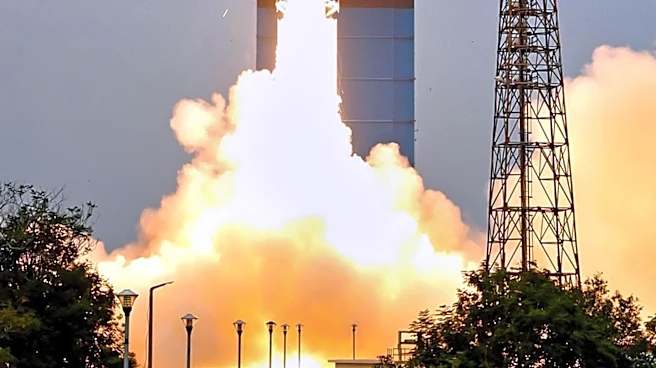
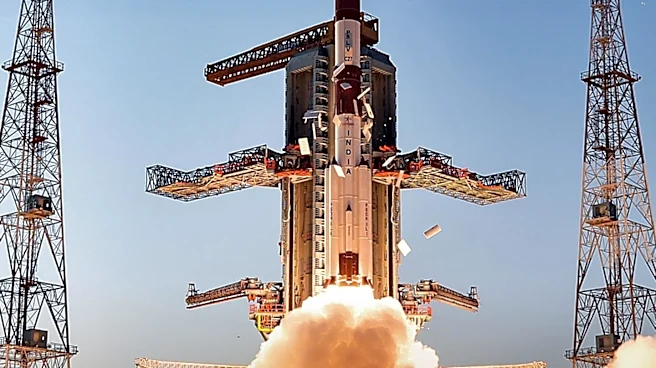
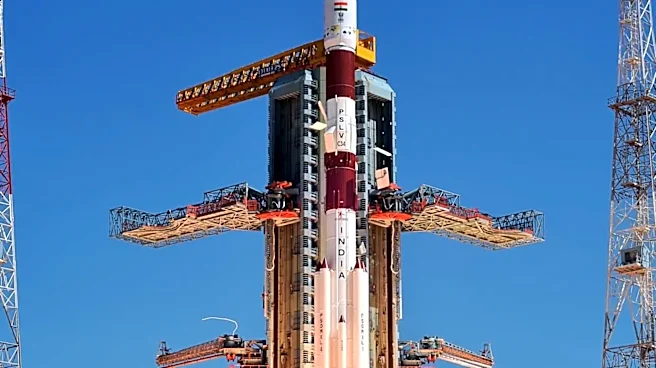
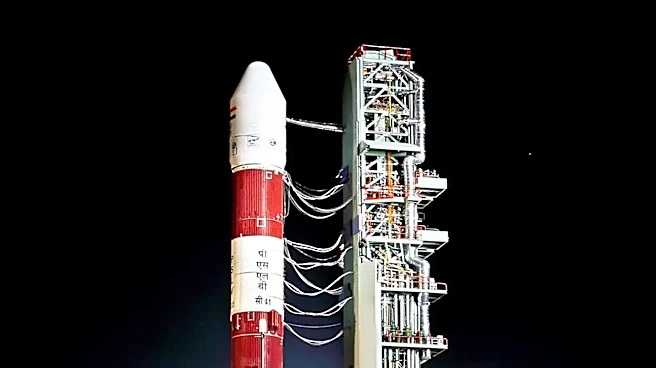
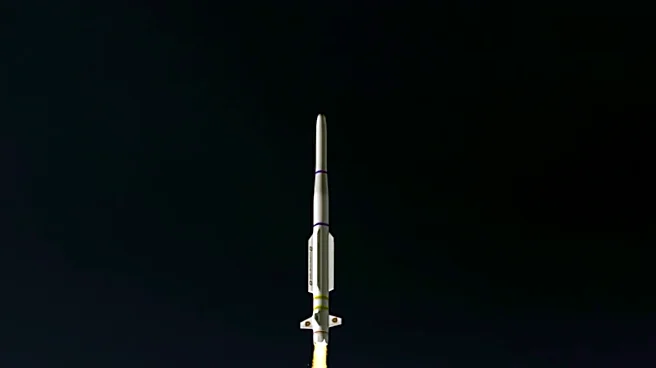
Skyroot Aerospace, an Indian private space company, has successfully launched its Vikram-1 rocket into orbit, marking a significant milestone for the company and India's private space sector. The launch took place from the Satish Dhawan Space Centre,
with the rocket reaching a 450-kilometer orbit and deploying several payloads. This mission, named Aagaman, signifies Skyroot's entry into the orbital launch market. Founded in 2018 by former ISRO scientists, Skyroot has rapidly advanced in the space industry, becoming India's first space unicorn with a valuation of $1.1 billion. The company plans to increase its production capacity and develop new launch vehicles to expand its market presence.
Why It's Important?
Skyroot's successful launch represents a pivotal moment for India's burgeoning private space industry, which has seen significant growth since the government opened the sector to private investment in 2020. This achievement not only highlights the potential of private companies in space exploration but also positions India as a competitive player in the global space market. The economic implications are substantial, with India's space economy projected to grow significantly in the coming years. Skyroot's success could attract further investment and innovation, driving advancements in technology and infrastructure within the industry.
What's Next?
Skyroot plans to conduct additional development flights to ensure the reliability and repeatability of the Vikram-1 rocket before commencing commercial operations. The company aims to double its production capacity and is working on an upgraded version of the rocket, Vikram-1U, as well as a larger launch vehicle, Vikram-2, expected to debut in 2027. These developments will be crucial in establishing Skyroot as a leading player in the space launch market, potentially opening new opportunities for collaboration and partnerships with international space agencies and commercial entities.