




What's Happening?
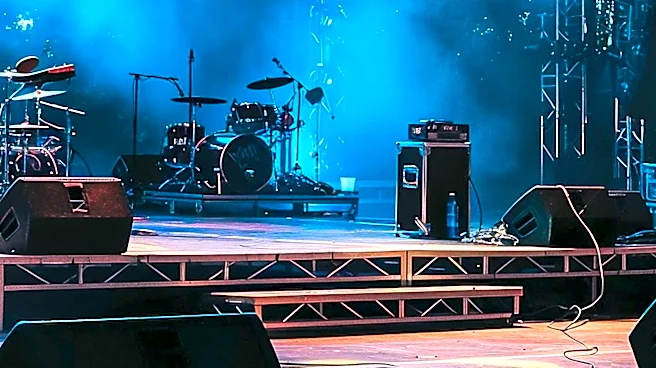
Country music singer Ella Langley's Friday night concert at the BOK Center in Tulsa, Oklahoma, was canceled due to a serious security threat. The BOK Center released a statement prioritizing the safety and well-being of everyone involved, stating the show
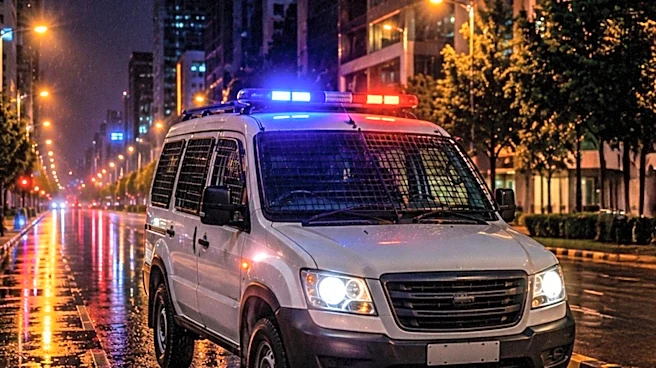
could not proceed. The Tulsa Police Department (TPD) investigated the threat, which they believe was likely a swatting call. Authorities received a phone call threatening harm at the concert, though no specific details were provided by the caller. TPD conducted security checks with K-9 units and bomb teams before and after the threat, finding no credible danger. Despite TPD advising that no credible threat was found, the decision to cancel the concert was made by either the BOK Center or Langley's team, not by the police. Langley expressed her regret on social media, emphasizing that fan safety was her utmost priority.
Why It's Important?
This incident highlights the increasing challenges faced by event organizers and law enforcement in distinguishing credible threats from hoaxes, particularly in the context of large public gatherings. The cancellation of a sold-out concert, even in the absence of a credible threat, demonstrates the profound impact that such calls can have on public events, leading to significant financial losses for venues and artists, and disappointment for fans. It also underscores the difficult decisions event organizers must make when balancing public safety concerns with the desire to proceed with scheduled events. The suspected swatting incident points to a malicious misuse of emergency services, diverting resources and causing widespread disruption, which is a growing concern for law enforcement agencies nationwide.
What's Next?
The Tulsa Police Department has initiated an investigation into the incident, encouraging anyone with information to contact Tulsa Crime Stoppers for a cash reward. The BOK Center has stated that information regarding ticket refunds will be provided as soon as possible. This event may prompt venues and artists to review and enhance their security protocols and threat assessment procedures to better handle similar situations in the future. There could also be a broader discussion among law enforcement and event organizers about strategies to mitigate the impact of swatting calls and to ensure public safety without unnecessarily canceling events. The outcome of the investigation could lead to charges against the individual responsible for the false threat.
Beyond the Headlines
The cancellation of Ella Langley's concert due to a suspected swatting incident reveals a deeper societal vulnerability to digital-age pranks and malicious acts. Swatting, which involves making false reports to emergency services to provoke a large police response, is not only disruptive but also dangerous, potentially putting lives at risk and wasting critical resources. This incident underscores the need for advanced technological solutions and improved intelligence gathering to identify and prosecute those who engage in such activities. It also raises questions about the psychological impact on artists and event staff who must navigate these threats, and the erosion of public trust when events are canceled due to non-credible dangers. The broader implication is a call for increased vigilance and robust legal frameworks to deter such harmful actions.