





What's Happening?
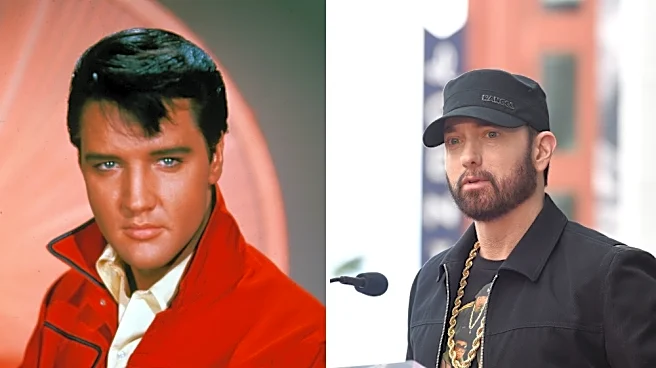
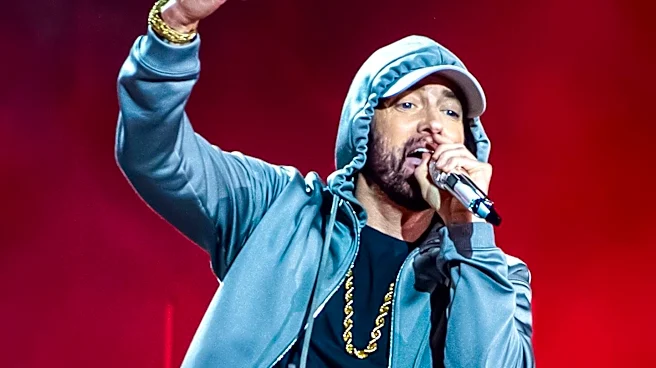
Rights holders for Elvis Presley and the publisher of Eminem's music have filed separate federal lawsuits against AI music generator Suno. The lawsuits allege that Suno used copyrighted material without permission to train its artificial intelligence
models and allows users to generate tracks that imitate the artists' work. The Presley lawsuit, filed by Authentic Brands Group and Raleigh Music Publishing in federal court in California, claims Suno copied 859 Presley compositions and enables users to create songs imitating his distinctive voice and musical identity. This complaint also references Tennessee’s 2024 Ensuring Likeness Voice and Image Security (ELVIS) Act, which protects against unauthorized use of individuals’ voices and likenesses through AI. Separately, Eight Mile Style, which controls hundreds of Eminem compositions, accuses Suno of infringing 269 works, including 'Lose Yourself' and 'Without Me,' by using them to train its AI model and allowing users to generate music resembling Eminem's style. Suno has previously faced similar claims from major record labels and maintains its training approach is protected by fair use principles.
Why It's Important?
These lawsuits are significant as they escalate the ongoing legal battle between music rights holders and AI companies in the U.S. music industry. The core issue revolves around whether AI companies can use copyrighted music to train generative systems without authorization and their responsibility for the material produced by users. The plaintiffs argue that AI companies are commercializing artists' identities and creative work without permission, potentially devaluing human artistry. The invocation of Tennessee's ELVIS Act in the Presley case highlights a growing legislative effort to protect artists' rights in the age of AI. A ruling in favor of the rights holders could set a precedent for how AI models are trained and how artists' intellectual property is protected, potentially leading to new licensing models or stricter regulations for AI music generators. Conversely, if Suno's fair use defense prevails, it could open the door for broader use of copyrighted material in AI training, impacting artists' control over their work and revenue streams.
What's Next?
The lawsuits will proceed through federal court in California, where the allegations of copyright infringement and unauthorized use of likeness will be addressed. Suno is expected to continue its defense, likely reiterating its stance that its training methods fall under fair use principles and that it employs safeguards to prevent misuse. The outcomes of these cases could influence future legislative actions and industry standards regarding AI and intellectual property. Other major record labels and artists, who have previously filed similar claims against Suno and other AI companies, will be closely watching these proceedings. The legal decisions could lead to either a more restrictive environment for AI music generation, potentially requiring extensive licensing agreements, or a more permissive one, which could further challenge traditional music industry models. The broader music industry will likely continue to seek legal and technological solutions to distinguish AI-generated content from human-created music and protect artists' rights.
Beyond the Headlines
These legal challenges delve into profound ethical and cultural questions about the nature of creativity and ownership in the digital age. The plaintiffs' argument, encapsulated by the statement, 'The next Elvis won’t pick up a guitar,' underscores a fear that AI could diminish the value of human artistic endeavor and make creative pursuits less viable for future generations. This raises concerns about the long-term impact on artistic development and the cultural landscape. The cases also highlight the tension between technological innovation and intellectual property rights, forcing a re-evaluation of existing copyright laws in the context of rapidly advancing AI. The debate extends beyond financial compensation to the very essence of an artist's identity and legacy. The outcomes could shape not only the music industry but also broader discussions about AI's role in creative fields, potentially influencing how society values and protects human-generated content against AI replication.