



What's Happening?
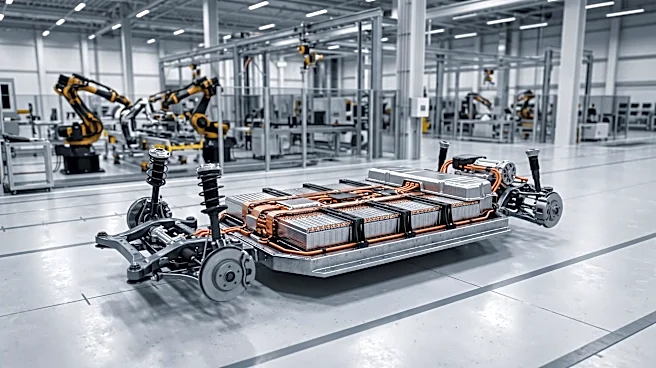
Ford has commenced manufacturing low-cost lithium-iron-phosphate (LFP) battery packs at its $3 billion BlueOval Battery Park Michigan facility in Marshall, MI. These production-grade LFP batteries are initially intended for testing in Fathom electric
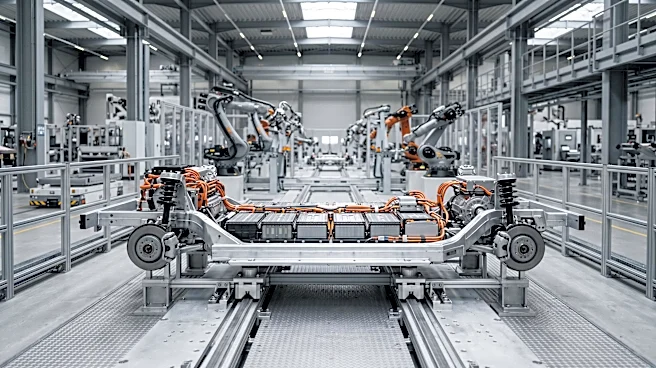
truck prototypes, with full-scale manufacturing slated to begin next year. This plant marks the first in the U.S. to domestically produce LFP batteries for mainstream consumer vehicles. The 2 million-square-foot facility boasts an annual production capacity of 20 gigawatt-hours and can produce 50 battery packs per hour. It operates as a vertically integrated plant, handling all processes from raw material input to fully assembled battery packs. Ford's Vice President of Advanced Development Projects, Alan Clarke, highlighted the rapid development of the Universal EV Platform, a new production system at the Louisville Assembly Plant, and domestic LFP battery production. The plant is fully owned and operated by Ford, with assistance from CATL engineers in setting up production tools and training workers. Ford officials confirm the plant is fully compliant with Inflation Reduction Act (IRA) rules, ensuring raw materials do not originate from U.S. Foreign Entities of Concern.
Why It's Important?
This development is crucial for Ford's strategy to deliver affordable electric vehicles and reduce reliance on foreign battery supply chains. By producing LFP batteries domestically, Ford aims to lower manufacturing costs and enhance the competitiveness of its EVs in the U.S. market. The compliance with the Inflation Reduction Act rules means that vehicles utilizing these batteries will likely qualify for federal tax credits, making them more attractive to consumers. This move also signifies a significant step in bolstering U.S. battery manufacturing capabilities, an area where the U.S. has lagged behind countries like China and Europe. The partnership with CATL, a leading battery maker, allows Ford to leverage advanced technology and expertise while maintaining domestic control over production and sourcing of critical materials, thereby strengthening the U.S. automotive industry's position in the global EV transition.
What's Next?
Following the initial production of LFP batteries for Fathom prototypes, Ford plans to ramp up to full-scale manufacturing next year. Preorders for the Ford Fathom are expected to begin in early 2027, with production and deliveries commencing by the end of that year. The Louisville Assembly Plant is being retooled to build vehicles on the new Universal EV Platform, with plans to convert the entire plant for EV production after the current Corsair and Escape models are phased out. This platform is projected to support over 100,000 units annually across multiple body styles beyond the initial Fathom. The continued collaboration with CATL engineers for training and quality control will be vital as Ford scales up its battery and EV production, aiming to meet its long-promised goal of delivering affordable electric vehicles to the market.
Beyond the Headlines
Ford's investment in domestic LFP battery production carries broader implications for the U.S. manufacturing landscape and geopolitical considerations. By licensing technology from CATL but ensuring raw materials are not sourced from Foreign Entities of Concern, Ford navigates the complex balance between technological advancement and national security interests. This approach could set a precedent for other U.S. manufacturers seeking to adopt advanced foreign technologies while adhering to domestic content requirements and reducing supply chain vulnerabilities. The establishment of such a highly automated and advanced battery facility in Michigan reinforces the state's role as a hub for automotive innovation, potentially attracting further investment and job creation in the EV sector. This strategic move also highlights a shift towards greater vertical integration within the automotive industry, as companies seek to control more aspects of their supply chain to ensure resilience and cost efficiency.