


What's Happening?
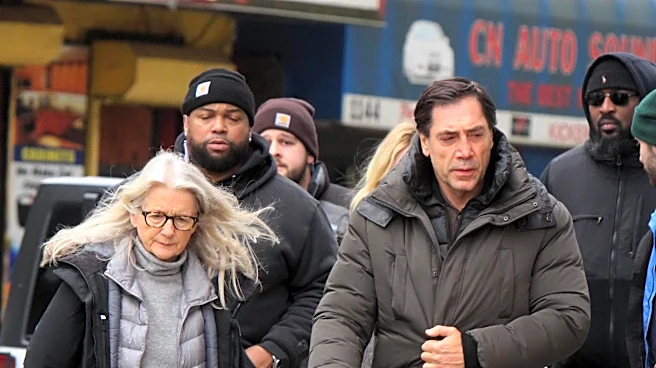
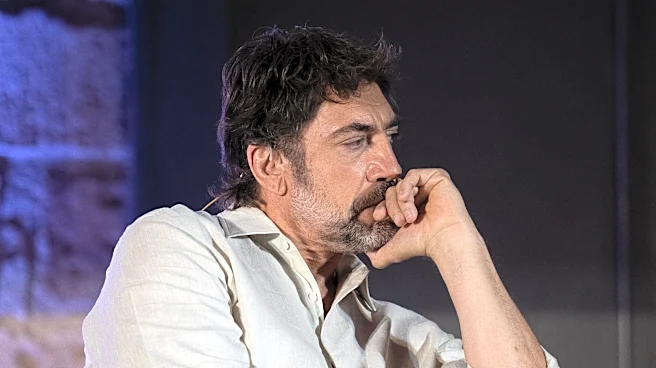
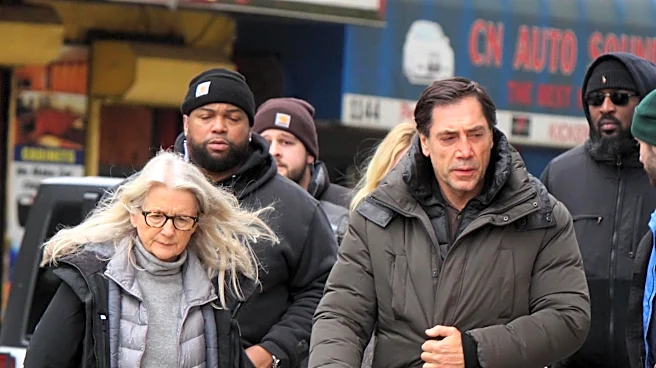
Actress Penélope Cruz has revealed her apprehension about working with her husband, Javier Bardem, on director Florian Zeller's film 'Bunker.' Cruz stated that she and Bardem typically avoid working together frequently, usually every five or six years,
to protect their marriage, viewing frequent collaboration as 'tricky and risky.' The film required them to portray a couple in a fragile, disconnected marriage, culminating in a crucial fight scene that took three days to film. Cruz admitted that the week leading up to this scene was filled with dread, as the confrontation pushed them into 'really, really uncomfortable' emotional territory. Despite her initial fears that the on-screen marital strife might affect their real-life relationship, Cruz and Bardem were ultimately drawn to the project due to their admiration for Zeller's directorial approach. Zeller intentionally cast the real-life couple, believing their existing connection would bring 'truth' and 'authenticity' to the roles, while emphasizing that the film's narrative is distinct from their personal lives.
Why It's Important?
This situation highlights the unique challenges faced by real-life couples who collaborate professionally, particularly in emotionally intense artistic endeavors like filmmaking. The decision by Penélope Cruz and Javier Bardem to limit their joint projects underscores a conscious effort to maintain a healthy work-life balance and protect their personal relationship from the demands of their careers. Their experience with 'Bunker' illustrates how the boundaries between fictional roles and personal realities can blur, potentially creating emotional strain. For the film industry, casting real-life couples can be a double-edged sword: it can generate significant public interest and potentially enhance on-screen chemistry, but it also carries the risk of personal repercussions for the actors involved. This dynamic offers a glimpse into the psychological toll that method acting or deeply immersive roles can take, especially when the subject matter mirrors sensitive aspects of an actor's personal life. The story also touches on the broader discussion of how artists manage their personal and professional identities.
What's Next?
While 'Bunker' has been filmed, the public and critical reception of the movie will be a key next step. The film's success, particularly in how it portrays the complex marital dynamics, could influence future casting decisions for real-life couples in similar roles. For Cruz and Bardem, their stated intention to continue limiting joint projects suggests that 'Bunker' will likely remain an infrequent collaboration rather than a new trend in their careers. The experience may reinforce their existing strategy of carefully selecting projects that align with their personal boundaries. Director Florian Zeller's approach to using their real-life connection for authenticity will be scrutinized, and the film's impact on audiences will determine if this casting strategy is perceived as successful or overly intrusive. The discussion around the film may also prompt further conversations within the entertainment industry about the ethical considerations and psychological support for actors undertaking such emotionally demanding roles, especially when their personal lives are intertwined.
Beyond the Headlines
The narrative surrounding Penélope Cruz and Javier Bardem's work on 'Bunker' delves into the deeper psychological and ethical considerations of acting, particularly when personal and professional lives intersect. Bardem's blunt reminder to Zeller about the real-life couple from 'Eyes Wide Shut' breaking up after filming serves as a poignant warning about the potential for art to imitate life in destructive ways. This raises questions about the responsibility of directors and producers when casting real-life partners in roles that explore marital discord. Beyond the immediate impact on the actors, such projects can also influence public perception of celebrity relationships, blurring the lines between their on-screen personas and private lives. The story highlights the inherent tension between artistic authenticity, which often demands vulnerability, and the need for personal boundaries and emotional well-being. It underscores the idea that while acting can be a powerful tool for exploring human experience, it also carries significant personal risks that must be carefully managed.