








What's Happening?
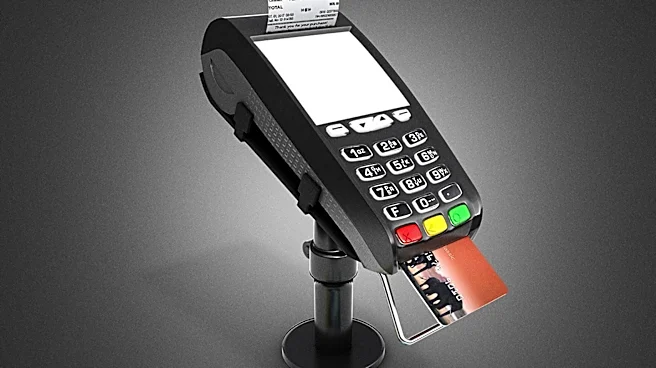
Home Depot, a major home improvement retailer, is significantly expanding its self-service offerings for both customers and employees. For shoppers, this includes advanced self-checkout kiosks equipped with high-speed scanners, handheld scanning guns
for bulky items, and integrated weight sensors. These kiosks aim to reduce wait times, especially during peak hours. Additionally, the company's mobile application now features localized digital maps that guide customers to specific product locations within stores. Home Depot has also enhanced its 'Buy Online, Pickup In Store' (BOPIS) infrastructure with smart pickup lockers, allowing customers to retrieve online orders quickly by scanning a barcode. For employees, the 'Home Depot Employee Self-Service (ESS)' portal, accessible via MyTHDHR.com, provides a digital platform for managing personal, financial, and professional data. This portal allows employees to view pay stubs, manage direct deposit information, update addresses, enroll in benefits, and access scheduling through integrated Kronos software, thereby reducing administrative overhead and offering greater flexibility.
Why It's Important?
This strategic shift towards self-service is important for Home Depot as it addresses critical operational efficiencies and customer experience improvements in the competitive retail landscape. By implementing advanced self-checkout systems and mobile store navigation, Home Depot aims to alleviate common pain points like long checkout lines and difficulty locating products, which can significantly enhance customer satisfaction and loyalty. The BOPIS lockers cater to the growing demand for convenient online order fulfillment, aligning with modern consumer shopping habits. For employees, the ESS portal streamlines HR processes, empowering them with direct access to their employment information and scheduling. This not only reduces the administrative burden on HR departments but also fosters a more autonomous and flexible work environment, potentially leading to higher employee morale and retention. The overall move reflects a broader retail trend of leveraging technology to optimize operations and personalize the customer and employee experience, setting a precedent for other large retailers.
What's Next?
Home Depot is expected to continue refining and expanding its self-service technologies. This includes further integration of digital tools for customer convenience, such as enhanced mobile app features and potentially more sophisticated self-service options for specialized departments like tool and truck rentals. The company will likely monitor the adoption rates and effectiveness of these systems, using data to inform future technological investments. There may be an increased focus on cybersecurity measures for the ESS portal to protect sensitive employee data from phishing attempts and other cyber threats. Additionally, Home Depot will need to balance the efficiency of self-service with the continued need for human assistance, particularly for complex transactions or customer support, ensuring that the transition does not alienate customers who prefer traditional service. The ongoing evolution of these systems will likely influence how other major retailers approach their own customer and employee service models.
Beyond the Headlines
The widespread adoption of self-service technologies by retailers like Home Depot has deeper implications for the future of retail employment and consumer behavior. While these systems offer undeniable convenience and efficiency, they also raise questions about the evolving role of human employees in retail. The shift towards self-checkout and automated services could lead to a reallocation of labor, with fewer cashiers but potentially more staff dedicated to customer assistance, inventory management, or technical support for the self-service systems. For consumers, the increasing reliance on self-service fosters a greater sense of independence and control over their shopping experience, but it also places more responsibility on them to navigate transactions. This trend highlights a broader societal move towards automation and digital empowerment, challenging traditional service models and reshaping expectations for both convenience and interaction in commercial environments. Ethical considerations regarding data privacy and job displacement will likely remain central to discussions surrounding these technological advancements.