




What's Happening?
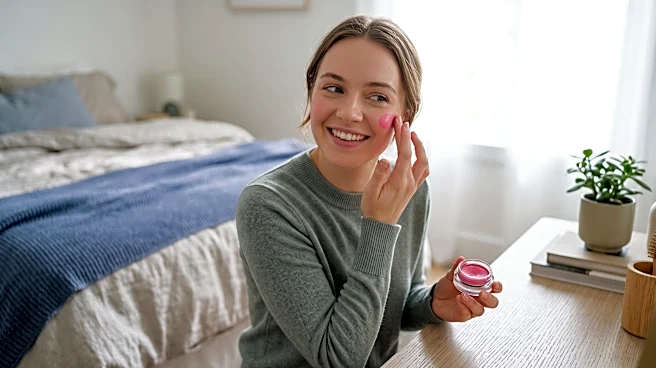
TikTok's 'BeautyTok' ecosystem is rapidly becoming the leading segment for beauty creator content, characterized by its emphasis on unfiltered reviews and viral transformation videos. This platform rewards authenticity over high production value, fostering
a diverse community of nano and micro creators who engage highly with their audiences. Unlike Instagram, which prioritizes aspirational content and high-quality visuals for premium brands, BeautyTok drives genuine purchasing behavior through organic trend mechanisms. The increasing effectiveness of affiliate-first TikTok Shop partnerships is making it a cost-efficient channel for mass-market beauty brands. While Instagram remains crucial for brand awareness and aesthetic building, and YouTube for in-depth, long-form content, TikTok is carving out a significant niche for viral product discovery and reaching younger demographics. The accessibility of beauty products and the visual nature of reviews contribute to the high density of creators in this vertical, making it a competitive yet opportunity-rich space for brands.
Why It's Important?
The rise of BeautyTok signifies a significant shift in the U.S. beauty industry's marketing landscape. It democratizes beauty content creation, allowing smaller creators to gain traction and influence purchasing decisions, which was previously dominated by macro-influencers on platforms like Instagram and YouTube. This shift impacts how beauty brands allocate their marketing budgets, with an increasing focus on TikTok for viral product discovery and reaching younger consumers. For mass-market brands, the affiliate-first TikTok Shop model offers a more cost-effective way to drive sales by aligning creator incentives directly with performance. This contrasts with traditional paid partnerships, potentially leading to higher ROI. The emphasis on authenticity also means that brands must adapt their marketing strategies to resonate with a consumer base that values genuine reviews and relatable content over polished advertisements. Brands that successfully navigate this ecosystem stand to gain significant market share among younger demographics and benefit from organic trend amplification.
What's Next?
Beauty brands are expected to further integrate TikTok into their influencer marketing strategies, particularly for product launches and reaching younger audiences. The trend of affiliate-first partnerships on TikTok Shop is likely to expand, offering more opportunities for creators to earn commissions and for brands to drive sales efficiently. Brands will need to continue adapting their content strategies to align with TikTok's preference for raw, authentic, and trend-driven videos. This may involve investing in more nano and micro-influencer collaborations, as their highly engaged audiences are proving effective in driving genuine purchase behavior. The competition among beauty creators will intensify, requiring brands to be more discerning in their selection process, focusing on genuine engagement and niche specificity rather than just follower counts. We may also see more hybrid partnership models emerge, combining small flat fees with commission structures to maximize creator participation and sales performance.
Beyond the Headlines
The success of BeautyTok highlights a broader cultural shift towards authenticity and relatability in consumer behavior, particularly among younger generations. This platform's algorithm, which rewards raw content, challenges the long-standing dominance of highly curated and aspirational aesthetics prevalent on platforms like Instagram. This could lead to a re-evaluation of traditional marketing approaches across various industries, pushing brands to embrace more transparent and genuine communication with their audiences. The rise of nano and micro-influencers also signifies a decentralization of influence, empowering a wider range of voices and perspectives. This democratization of content creation could foster greater diversity and inclusivity within the beauty industry, as creators from various backgrounds can share their experiences and recommendations. Furthermore, the direct link between content and commerce through features like TikTok Shop blurs the lines between entertainment, social interaction, and shopping, creating a more integrated and seamless consumer journey that other platforms may seek to emulate.