








What's Happening?
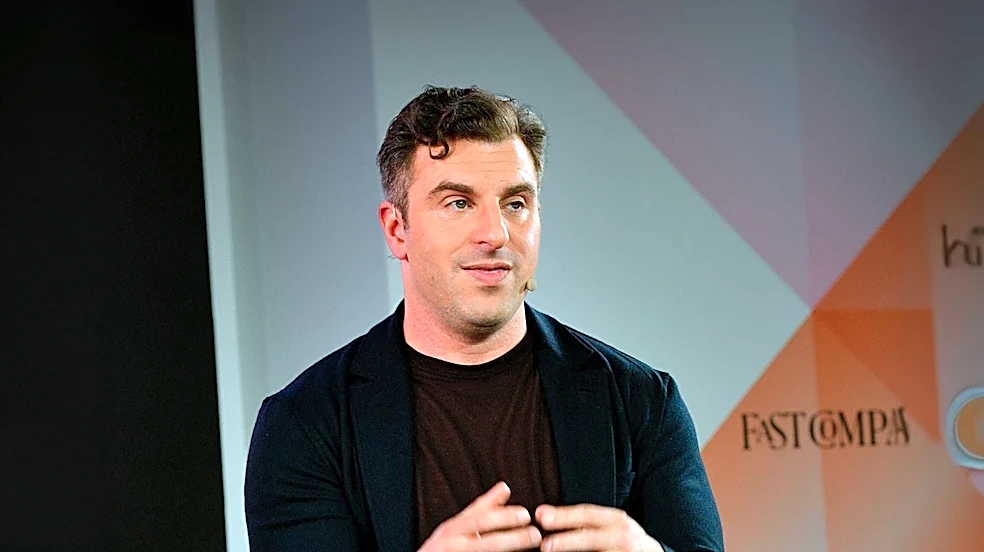
Brian Chesky, CEO of Airbnb, attributes his unconventional leadership style to his background in industrial design. He views Airbnb as a three-dimensional model in his mind, which influences his deep personal involvement in various company aspects, including
recruiting and organizational decisions. Chesky believes that as a founder, he is the 'keeper of the dream' for the company. He also expressed concerns regarding the disconnect between Silicon Valley's technological advancements, particularly in artificial intelligence, and the general public. Chesky noted that society often feels AI is happening 'to them, not for them,' and advocates for 'bridge builders' to reconnect the tech industry with people outside its immediate sphere. His approach highlights a focus on user experience and foundational company values.
Why It's Important?
Chesky's design-centric leadership is significant because it shapes Airbnb's product development and user experience, potentially differentiating it in the competitive travel and hospitality market. His hands-on approach to hiring and organizational structure can foster a strong company culture aligned with his vision. Furthermore, his critique of Silicon Valley's relationship with AI underscores a growing concern about technology's societal impact. By advocating for 'bridge builders,' Chesky highlights the need for tech leaders to consider broader ethical and social implications, which could influence future AI development and public policy discussions. This perspective could encourage other tech companies to adopt more human-centered approaches, potentially leading to more responsible innovation and greater public trust in emerging technologies.
What's Next?
Airbnb is likely to continue integrating Chesky's design philosophy into its platform and services, potentially leading to more intuitive and user-friendly features. His emphasis on personal involvement in hiring suggests a continued focus on maintaining a specific company culture as Airbnb grows. In the broader tech landscape, Chesky's call for 'bridge builders' in AI could spark further dialogue and initiatives aimed at making artificial intelligence more accessible and beneficial to a wider audience. This might involve increased collaboration between tech companies, ethicists, and policymakers to ensure AI development aligns with societal needs and values. Airbnb may also explore ways to implement AI more responsibly within its own operations, setting a precedent for other companies in the travel tech sector.
Beyond the Headlines
Chesky's leadership style reflects a broader trend among some tech founders who maintain deep personal involvement in their companies' operational details, often stemming from their original vision. This can lead to highly cohesive product development and a strong brand identity, but it also raises questions about scalability and succession planning in the long term. His comments on AI highlight a critical ethical dimension: the responsibility of tech innovators to ensure their creations serve humanity rather than alienate it. This perspective challenges the traditional 'move fast and break things' mentality, suggesting a more thoughtful, inclusive approach to technological advancement. It also points to a potential shift in how tech leaders are perceived, moving beyond purely technical expertise to include social and ethical leadership.