






What's Happening?
Many historic homes in the U.S. contain distinctive architectural elements and forgotten household features that offer a glimpse into past lifestyles and technological advancements. These include butler bell boards, which were pulley systems used to summon
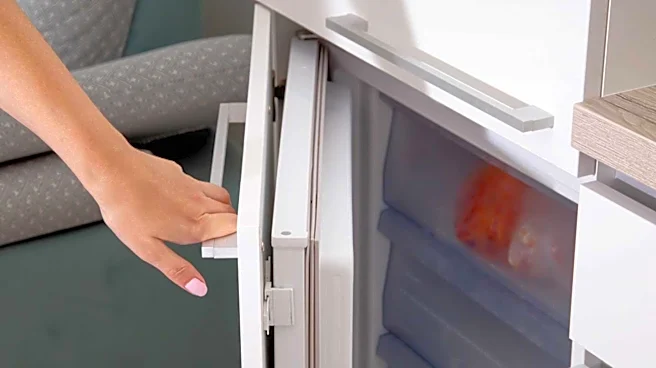
staff; dumbwaiters, mini-elevators for transporting food; carriage houses, structures for horse-drawn buggies; and boot scrapers, iron contraptions for cleaning shoes before entering a home. Other features like staff stairwells, transom windows, tuberculosis windows (designed for cross-ventilation), peepholes, root cellars, ice doors, telephone nooks, coal doors, and push-button light switches all served practical purposes that have since been rendered obsolete or evolved with modern technology and societal changes.
Why It's Important?
Understanding these historic home features provides valuable insight into the social, economic, and technological evolution of the U.S. It highlights how daily life, class structures, and health concerns influenced architectural design and household functionality. For the real estate and preservation industries, recognizing and maintaining these elements can add historical value and character to properties. For contemporary design, it offers inspiration and a deeper appreciation for the ingenuity of past generations. The shift from these features to modern conveniences also illustrates the rapid pace of technological progress and how it continually reshapes our living environments, impacting everything from energy consumption to social interactions within the home.
What's Next?
As interest in historical preservation and unique architectural details continues, these features may see renewed appreciation, potentially influencing modern home design with nostalgic or repurposed elements. Preservation efforts will likely focus on documenting and maintaining these historical aspects, ensuring their stories are not lost. For homeowners of older properties, understanding these features can inform renovation decisions, balancing historical integrity with contemporary needs. The ongoing evolution of smart home technology will continue to replace or redefine the functions once served by these older features, further emphasizing the contrast between past and present domestic life. Educational initiatives may also increase to inform the public about the historical significance of these often-overlooked elements.
Beyond the Headlines
The evolution of home features, from butler bells to telephone nooks, reflects profound societal changes, particularly concerning labor, class, and privacy. The presence of servant-specific amenities like staff stairwells and bell systems underscores historical class divisions and the reliance on domestic labor. The transition from ice doors and root cellars to modern refrigeration illustrates advancements in food preservation and public health. Even seemingly minor details like tuberculosis windows highlight past health crises and public health responses. These features are not just architectural curiosities; they are tangible markers of how society has organized itself, managed resources, and adapted to challenges over time. They offer a silent narrative of progress, changing social norms, and the continuous human quest for convenience, comfort, and security within the domestic sphere.