






What's Happening?
Novo Nordisk, a leading global healthcare company, has announced a long-term growth target aiming for pipeline sales to exceed $23 billion by 2035. This strategic move is designed to diversify the company's revenue streams, particularly as patents for its
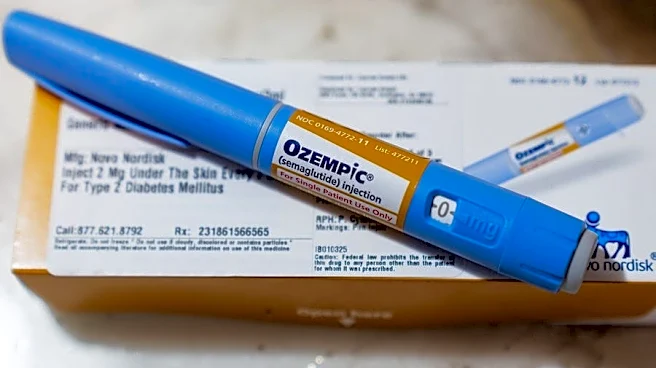
key semaglutide formulations, such as Wegovy and Ozempic, approach expiry. The company's management detailed these ambitions in a recent investor update, addressing concerns about its heavy reliance on semaglutide, which accounted for over half of its sales last year. Novo Nordisk plans to develop more than five drugs with multi-blockbuster potential by 2030, shifting its growth story from its current flagship products to a broader portfolio of new therapies. This initiative is crucial for maintaining its market position in diabetes and obesity care amidst increasing competition and upcoming patent expirations.
Why It's Important?
This ambitious pipeline sales target is critical for Novo Nordisk's long-term sustainability and its competitive standing in the U.S. and global pharmaceutical markets. The impending patent expirations for semaglutide formulations, starting in 2032, pose a significant risk of revenue concentration. By aiming to generate over $23 billion from new pipeline products, Novo Nordisk seeks to mitigate this risk and ensure continued growth. This strategy could impact the broader pharmaceutical industry by intensifying competition in metabolic diseases and other therapeutic areas. For U.S. consumers, a diversified portfolio from Novo Nordisk could lead to new treatment options for chronic diseases, potentially improving patient outcomes. Investors will closely monitor the company's execution of its research, development, and approval processes, as successful diversification will be key to its future valuation and market leadership.
What's Next?
Novo Nordisk's immediate focus will be on the concrete progress of its late-stage pipeline candidates. The company will need to demonstrate successful development, regulatory approvals, and effective commercialization of these new drugs to achieve its 2035 sales target. Investors will be looking for updates on these fronts, particularly regarding any new therapies that could replace or complement its current semaglutide-based offerings. Additionally, the company's strategy for navigating the U.S. semaglutide patent roll-off, which begins in 2032, will be crucial. This includes potential pricing strategies, market positioning against generic competitors, and further innovation in drug delivery, such as long-acting injectable formulations. The company's ability to expand its research into other therapeutic areas, beyond its current focus on diabetes and obesity, will also be a key indicator of its future trajectory.
Beyond the Headlines
The shift in Novo Nordisk's strategy highlights a broader trend in the pharmaceutical industry where companies are proactively addressing patent cliffs and seeking innovation to sustain growth. This move underscores the immense pressure on pharmaceutical giants to continuously invest in research and development to maintain a competitive edge. The emphasis on diversifying beyond semaglutide also reflects the evolving landscape of chronic disease management, where new therapeutic approaches and delivery methods are constantly being explored. Furthermore, the company's consideration of a direct listing on the New York Stock Exchange indicates a strategic effort to enhance its U.S. investor profile, recognizing the critical importance of the U.S. market for pharmaceutical sales and investment. This could lead to increased transparency and scrutiny from U.S. financial markets, influencing its corporate governance and strategic decisions.