

What's Happening?
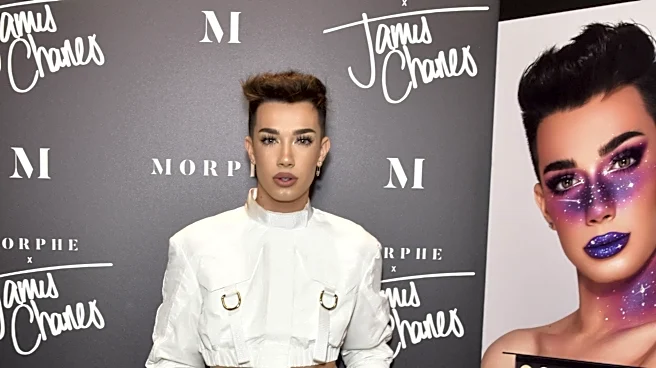
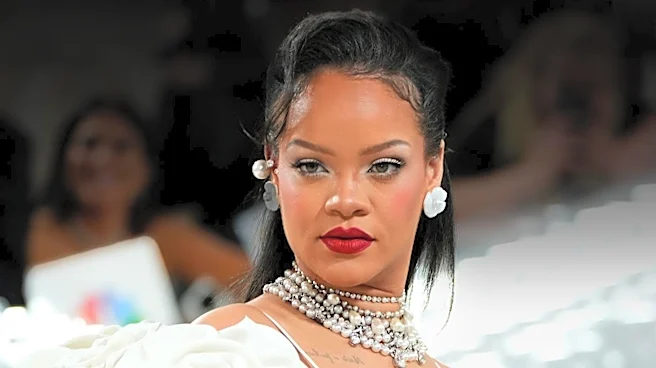
Beauty influencer James Charles has drawn criticism for comparing products from Rihanna's Fenty Skin to Hailey Bieber's Rhode skincare brand during a review of Fenty Beauty's 12 Dayz of Fenty Beauty + Fenty Skin 12-Piece Advent Calendar. Charles described
Fenty Skin's Total Cleans'r as a 'Rhode knockoff' and made a similar comparison regarding the Plush Puddin' Intensive Recovery Lip Mask. Viewers reacted negatively, pointing out that Fenty Skin launched on July 31, 2020, almost two years before Rhode debuted in June 2022. While Fenty Skin as a brand predates Rhode, the Plush Puddin' Intensive Recovery Lip Mask was introduced in December 2022, several months after Rhode's launch. The controversy highlights the scrutiny beauty influencers face when reviewing celebrity-founded brands and making comparisons that may not account for product launch timelines.
Why It's Important?
This incident underscores the significant influence of beauty influencers on consumer perception and brand reputation within the competitive U.S. beauty market. Misinformation or oversight regarding product timelines can lead to public backlash for influencers and potentially misrepresent brands. For Fenty Skin, a brand known for its inclusivity and innovation, such comparisons, even if unintentional, can dilute its established market position. Conversely, for newer brands like Rhode, being inadvertently positioned as the original can create a false narrative. The debate also highlights the challenges for consumers in discerning accurate product histories amidst rapid product launches and influencer reviews, impacting purchasing decisions and brand loyalty in the U.S. beauty industry.
What's Next?
The backlash against James Charles may prompt a more cautious approach from beauty influencers when making comparative product reviews, particularly concerning established brands and their launch histories. Brands like Fenty Skin and Rhode may continue to emphasize their unique selling propositions and timelines in their marketing efforts to counter any misperceptions. Consumers are likely to remain vigilant, scrutinizing influencer content for accuracy and historical context, especially when celebrity-backed brands are involved. This event could also lead to increased calls for transparency and thorough research from influencers to maintain credibility with their audience and avoid similar controversies in the future.
Beyond the Headlines
The controversy extends beyond a simple product comparison, touching upon the broader ethical responsibilities of influencers and the impact of their content on brand narratives and consumer trust. It highlights how easily historical facts can be overlooked in the fast-paced world of social media content creation, leading to unintended consequences for both the influencer and the brands involved. The incident also reflects the intense competition within the celebrity beauty brand sector, where brand identity and originality are crucial. Furthermore, it raises questions about the perceived value of advent calendars and luxury beauty sets, as Charles also criticized the Fenty calendar's $190 price point, sparking a separate debate on consumer expectations versus product reality.