





What's Happening?
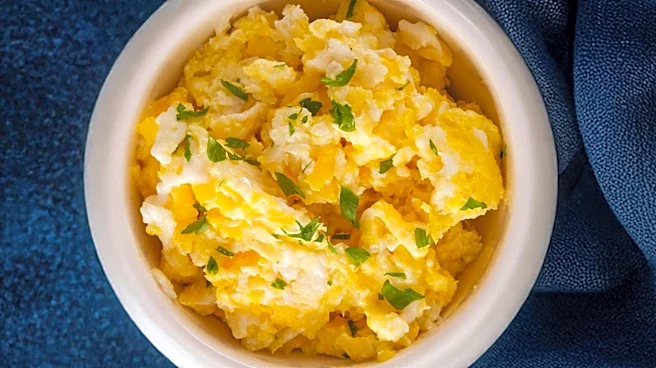
Scrambled eggs, while a good source of protein, often lack distinct flavor on their own. To address this, a culinary suggestion highlights the use of Calabrian chiles to significantly enhance their taste. These chiles, originating from Italy's Calabria region,
offer a medium heat level, falling between a jalapeño and a habanero on the Scoville scale. They impart a smoky and slightly fiery flavor to eggs. For optimal distribution, especially with jarred, oil-packed varieties like Sanniti Calabrian Chili Peppers, it is recommended to pat them dry and chop them finely. A general guideline for spice-averse individuals is to use about one Calabrian chile per egg, while those who prefer more heat can adjust the quantity. If using pre-chopped chiles, approximately half a teaspoon for every two eggs is suggested. The oil in which these chiles are packed can also be utilized as a cooking fat for an intensified chile flavor, as sunflower and olive oils are suitable for the low cooking temperatures typically used for scrambled eggs. The minced chiles should be incorporated just before the eggs are fully set to prevent them from sticking to the pan.
Why It's Important?
This culinary tip offers a simple yet effective way for U.S. consumers to elevate a common breakfast item, potentially increasing the appeal and versatility of eggs in home cooking. By introducing a specific, flavorful ingredient like Calabrian chiles, it encourages experimentation in the kitchen and broadens the palate of home cooks. This trend aligns with a growing interest in diverse international flavors and gourmet home cooking within the U.S. food industry. For food retailers and specialty stores, it could drive demand for Calabrian chiles and related products, impacting import markets and sales of gourmet ingredients. Furthermore, by making a staple food more exciting, it might indirectly support healthier eating habits by encouraging more home-cooked meals. The emphasis on adjusting spice levels caters to a wide range of consumer preferences, making the suggestion accessible to a larger audience and potentially influencing food product development towards more flavored egg options or spice blends.
What's Next?
Consumers are likely to experiment with Calabrian chiles in their scrambled eggs, potentially leading to increased sales of this specific ingredient in U.S. grocery stores and specialty food markets. Food bloggers and culinary influencers may pick up on this trend, further popularizing the use of Calabrian chiles in various egg dishes and other recipes. This could also inspire food manufacturers to develop new products, such as pre-mixed spice blends featuring Calabrian chiles or ready-to-eat egg products with similar flavor profiles. Restaurants and cafes might also incorporate Calabrian chiles into their breakfast menus, offering new and exciting options to diners. The broader impact could be a continued diversification of flavor profiles in American cuisine, with more consumers seeking out unique and international ingredients to enhance their everyday meals.
Beyond the Headlines
The integration of specific international ingredients like Calabrian chiles into everyday American cooking reflects a broader cultural shift towards culinary exploration and globalization. This trend goes beyond mere taste preference, indicating a growing openness to diverse food traditions and a desire for more authentic and complex flavors in the U.S. kitchen. It highlights how food acts as a conduit for cultural exchange, allowing consumers to experience global cuisines without leaving their homes. This also subtly challenges the perception of 'basic' foods, demonstrating that even simple dishes can be transformed with the right ingredients and techniques. The emphasis on customization, allowing individuals to adjust spice levels, speaks to a consumer demand for personalized culinary experiences, moving away from one-size-fits-all approaches to cooking. This trend could foster a greater appreciation for regional ingredients and traditional food preparation methods from around the world.