
What's Happening?
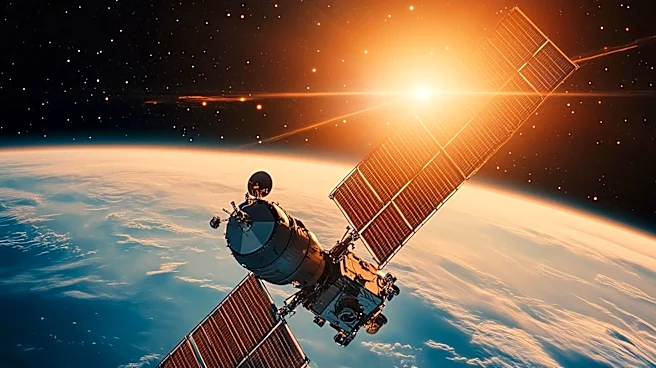
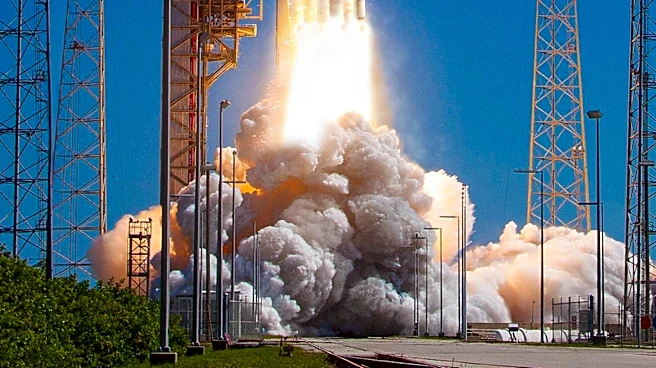
United Launch Alliance (ULA) experienced a total mission failure with its Vulcan Centaur rocket on November 15, 2026. The rocket, which was carrying 40 Leo communications satellites for Amazon, lost telemetry
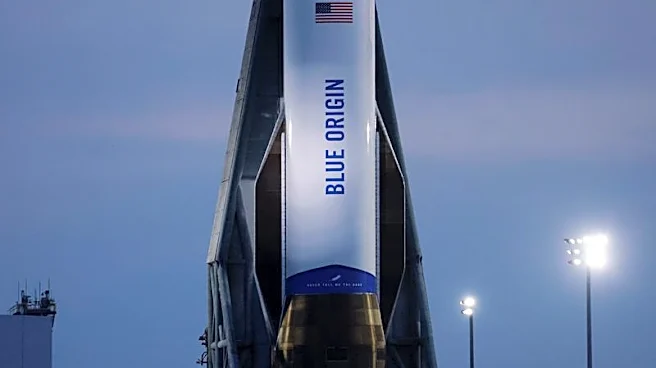
approximately 10 minutes into flight, resulting in the loss of all cargo. This incident marks ULA's first total mission failure since its establishment in 2006. The Vulcan Centaur rocket comprises two stages: the Vulcan first stage, powered by BE-4 engines from Blue Origin, and the Centaur second stage, supplemented by RL10 side boosters from L3Harris. While initial investigations suggest the RL10 boosters and the Centaur second stage performed nominally, preliminary indications point to a problem with the Vulcan first stage's fuel supply to the BE-4 engines. This issue reportedly caused the first stage to underperform during the boost phase, preventing the vehicle from accelerating sufficiently for the Centaur to deliver the payload into orbit.
Why It's Important?
This mission failure carries significant implications for Amazon's ambitions in the satellite internet sector, as it aims to build a satellite communications system to compete with SpaceX's Starlink. The loss of 40 Leo satellites represents a setback in Amazon's deployment schedule and could impact its competitive positioning in the burgeoning satellite internet market. Furthermore, the incident raises concerns within the space industry regarding access to space launch services. With SpaceX's Falcon 9 rocket potentially facing retirement, the ULA Vulcan Centaur was seen as a crucial alternative for companies seeking to launch payloads into orbit. This failure could exacerbate anxieties about limited launch options and potentially lead to delays for other space companies relying on ULA's services. The reliability of launch providers is paramount for the continued growth and development of the commercial space industry.
What's Next?
ULA will continue its investigation into the precise cause of the Vulcan Centaur's first-stage anomaly. The company will need to identify and rectify the issue with the fuel supply to the BE-4 engines before it can resume launch operations. This process will likely involve extensive data analysis, testing, and potentially design modifications. The timeline for ULA's return to flight remains uncertain, and this delay could further impact Amazon's Project Kuiper satellite deployment schedule. Other space companies that had planned to use Vulcan Centaur for their launches may need to re-evaluate their strategies, potentially seeking alternative launch providers or adjusting their timelines. The incident will also likely prompt a thorough review of ULA's pre-flight procedures and quality control measures to prevent similar failures in the future.
Beyond the Headlines
The total mission failure of the ULA Vulcan Centaur highlights the inherent risks and complexities involved in space exploration and commercial satellite deployment. Beyond the immediate financial and operational setbacks for ULA and Amazon, this event underscores the critical need for robust redundancy and diversification in the space launch market. A reliance on a limited number of launch providers or rocket types can create vulnerabilities for the entire industry. This incident may also spur increased investment in alternative launch technologies and providers, fostering greater competition and resilience in the long term. The ethical considerations surrounding the disposal of failed rocket stages and satellite debris in orbit will also likely come under renewed scrutiny, emphasizing the importance of sustainable space practices as the number of launches continues to grow.