






What's Happening?
Charles Southern, a long-time practitioner of Yoshinkan Aikido in Chicago, is actively working to preserve the tradition passed down by his instructors, Robert Hackett and Gilbert James. Southern began his training in 1982 under Hackett and James, who
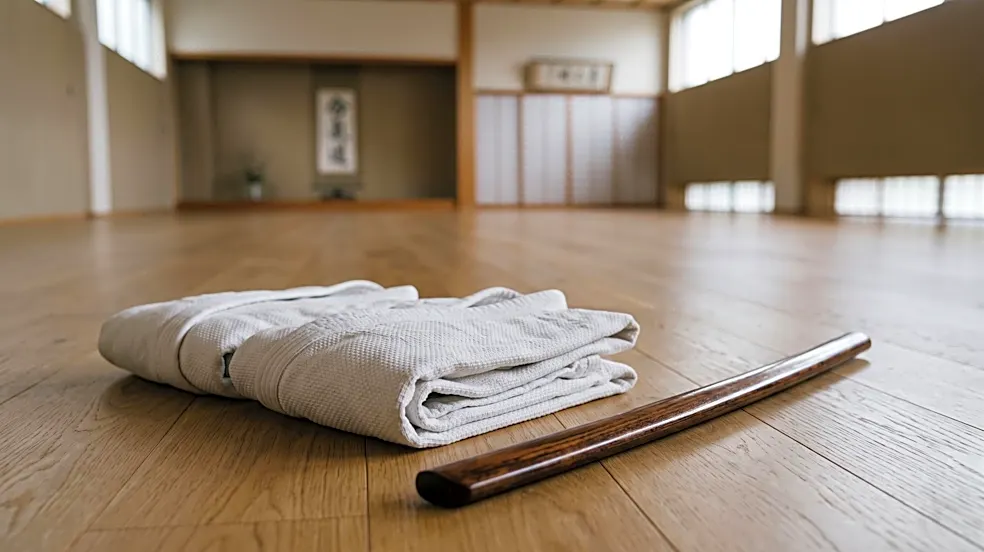
were instrumental in establishing the Midwest Yoshinkan Aikido Association in the late 1950s after studying under Robert “Commander” Cramer. Southern emphasizes the unique aspects of Yoshinkan Aikido, particularly its foundation in six basic fundamental movements and the rigorous focus on 'kamae' (defensive posture), which he describes as the core of the art. He recalls how his instructors instilled in him the importance of discipline, respect, and carrying oneself with integrity both on and off the mat. Southern, who achieved his sixth dan around 2023, took over leadership of the organization after James's passing in 2002 and has since worked to maintain the dojo and promote students, often seeking guidance from other high-ranking instructors like Fred Haynes and Amos Parker.
Why It's Important?
The efforts of Charles Southern are crucial for the continuity of Yoshinkan Aikido in Chicago and the broader United States. His dedication ensures that the teachings and legacy of pioneers like Robert Hackett and Gilbert James, who were recognized globally within the Yoshinkan community, are not lost. Southern's insights highlight the distinct pedagogical approach of Yoshinkan Aikido, which emphasizes foundational movements and a militaristic discipline, differentiating it from other Aikido styles. This preservation is vital for martial arts enthusiasts seeking a more structured and rigorous training methodology. The challenges Southern faces, such as the lack of centralized leadership and promotional tours from the Hombu Dojo in Japan, underscore the difficulties in growing traditional martial arts in the U.S. without strong institutional support. His story reflects the broader struggle of maintaining niche cultural practices in a rapidly changing environment, relying heavily on individual commitment and local community building.
What's Next?
Southern continues to teach Yoshinkan Aikido in Chicago, focusing on imparting the foundational principles and disciplined approach he learned from his mentors. His ongoing work involves training new students and promoting them through the ranks, ensuring the art's lineage persists. Given the decentralized nature of Yoshinkan Aikido outside of Japan, Southern and other dedicated instructors will likely continue to operate independently, relying on regional seminars and personal connections for advanced training and community building. The future growth of Yoshinkan Aikido in the U.S. will depend on the ability of practitioners like Southern to attract new students and maintain the rigorous standards of the style, potentially through local outreach and collaboration with other martial arts communities. Without more active support from the international Hombu Dojo, the responsibility for expansion and preservation largely falls on individual dojos and their leaders.
Beyond the Headlines
The narrative of Charles Southern preserving Yoshinkan Aikido delves into deeper cultural and philosophical implications of martial arts. It highlights the concept of 'legacy' and the responsibility of carrying forward a tradition that extends beyond physical techniques to include ethical conduct and personal development. The emphasis on 'kamae' as a life-long practice, rather than just a defensive stance, suggests a holistic approach to martial arts that shapes character and discipline. The challenges in growing Yoshinkan Aikido also reflect broader trends in traditional arts facing competition from more commercialized or accessible forms of physical activity. Southern's experience underscores the importance of mentorship and the profound impact teachers can have on their students' lives, extending far beyond the dojo. This story is a testament to the enduring power of tradition and the dedication required to keep specialized cultural practices alive in a globalized world, often against significant odds.