




What's Happening?
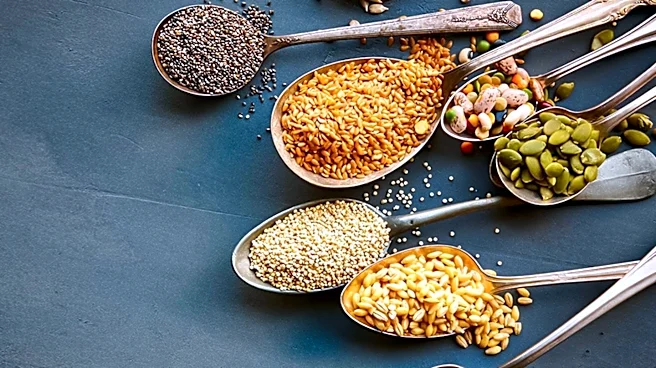
Pulses, such as peas and beans, are highlighted for their potential role in healthy and sustainable diets. They are nutrient-dense, offering high protein, fiber, and plant nutrients, while having a lower environmental footprint compared to animal-based
proteins. Pulses can modulate gut microbiota, enhance microbial diversity, and increase the production of beneficial compounds like short-chain fatty acids. However, they also contain antinutritional factors (ANFs) that can affect mineral bioavailability. Traditional processing methods like soaking and fermentation can improve their nutritional profile. Despite their benefits, pulse consumption remains low in Europe, and more human trials are needed to confirm their health benefits.
Why It's Important?
The inclusion of pulses in diets is important for both health and environmental reasons. They provide a sustainable protein source that can help reduce the environmental impact of food production. Pulses also offer health benefits by supporting gut health and potentially reducing the risk of chronic diseases. The low consumption of pulses in certain regions highlights the need for increased awareness and education about their benefits. Encouraging the consumption of pulses could lead to improved public health outcomes and contribute to more sustainable food systems.
What's Next?
Future research is needed to better understand the health benefits of pulses and to develop standardized processing methods that maximize their nutritional quality. There is also a need for policy initiatives to promote the consumption of pulses as part of a healthy diet. This could involve educational campaigns and the development of new pulse-based products that appeal to consumers. Additionally, addressing cultural barriers and expanding the range of available pulse products could help increase their consumption.