


What's Happening?
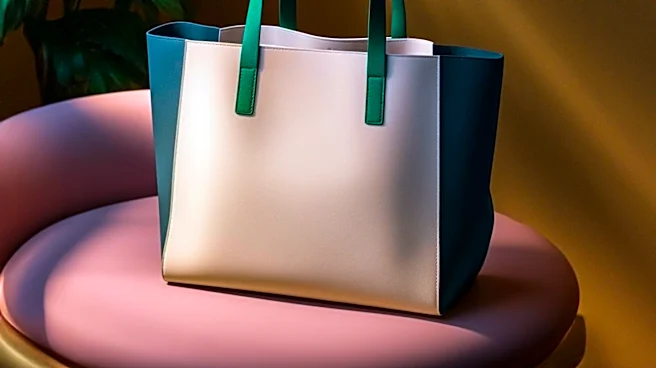
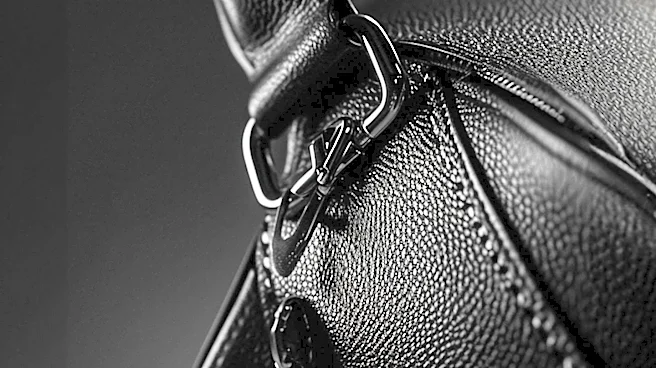
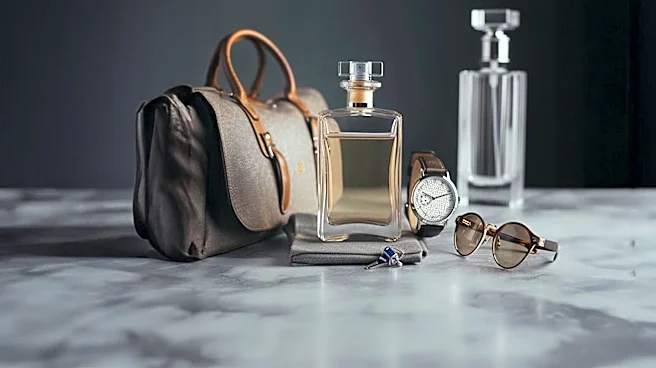
A growing trend in the luxury handbag market is 'quiet luxury,' characterized by products that signal quality through material, construction, and silhouette rather than overt branding or loud logos. This approach prioritizes craftsmanship, high-quality
leathers such as box calf, caviar, and Saffiano, and meticulous details like even stitching, durable hardware, and well-finished edges. Brands like Bottega Veneta, Celine, Loewe, and Hermès are highlighted as pioneers in this category, having produced such bags for decades. The appeal of quiet luxury lies in its timelessness and the ability of these bags to outlive seasonal trends, making them a sound investment. The focus is on the intrinsic value of the item, with the leather and construction making the statement rather than a visible brand name.
Why It's Important?
The rise of quiet luxury handbags signifies a notable shift in consumer values within the U.S. luxury market. Consumers are increasingly seeking authenticity, durability, and understated elegance over ostentatious displays of wealth. This trend impacts the fashion industry by pushing brands to focus more on the quality of their materials and the skill of their artisans, potentially leading to a higher standard of production across the board. For retailers, it means adapting marketing strategies to emphasize product longevity and craftsmanship rather than brand recognition. Economically, these bags often retain their value better than heavily branded items, making them a more stable investment for consumers and influencing the resale market. This movement also challenges the notion that luxury must be loud, promoting a more sophisticated and discerning approach to personal style.
What's Next?
The quiet luxury trend is expected to continue influencing design and purchasing decisions in the U.S. luxury market. Brands will likely further refine their offerings to meet the demand for logo-free or subtly branded items, focusing on innovative materials and construction techniques. The pre-loved market for these bags is also anticipated to grow, as their timeless nature and durability make them attractive second-hand purchases. Consumers will become more educated on how to identify genuine quality through details like leather type, stitching, and hardware, rather than relying on brand names. This could lead to a more democratized understanding of luxury, where intrinsic value is prioritized over brand prestige, potentially opening opportunities for smaller, artisan-focused brands.
Beyond the Headlines
Beyond the immediate fashion implications, the quiet luxury movement reflects a broader societal shift towards valuing substance over superficiality. In an increasingly interconnected and image-conscious world, choosing understated luxury can be seen as a form of rebellion against consumerism driven by social media and brand influence. It suggests a desire for personal style that is authentic and enduring, rather than dictated by fleeting trends. This philosophical approach to consumption can extend beyond handbags to other luxury goods, encouraging a more mindful and sustainable lifestyle. It also highlights the importance of craftsmanship and heritage, preserving traditional skills and valuing the artistry involved in creating high-quality products, which has cultural and economic benefits for artisan communities.